
How can the recycling industry attract and retain the next generation of leaders it needs?
Industry leaders share what young professionals actually need to stay and grow: structured paths, real autonomy, and regular feedback
Pizza parties are good for workplace morale, but they won't solve an employee retention problem. Younger generations are looking for something more substantial: opportunities for advancement, meaningful work, strong leadership, and a clear vision for their future within the company.
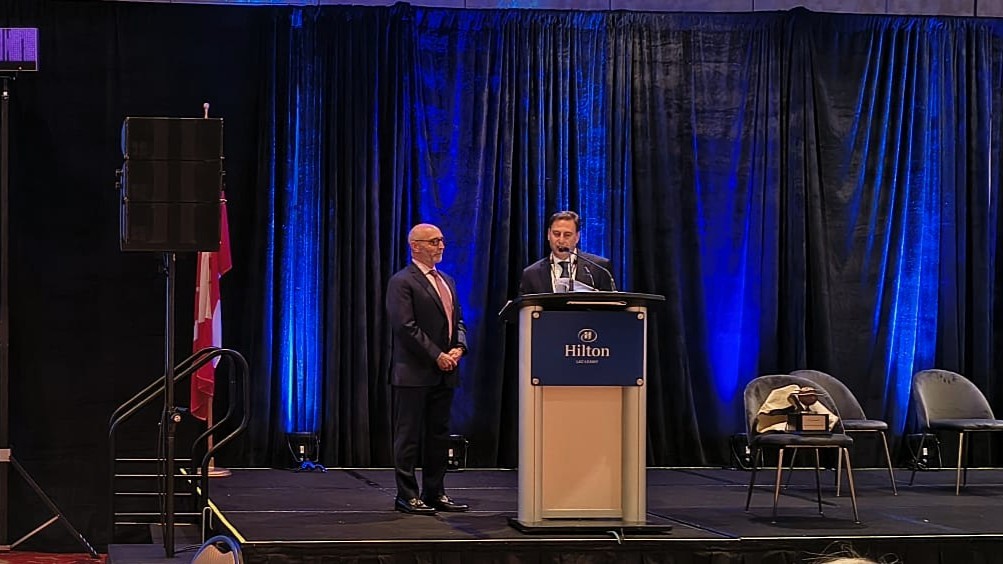
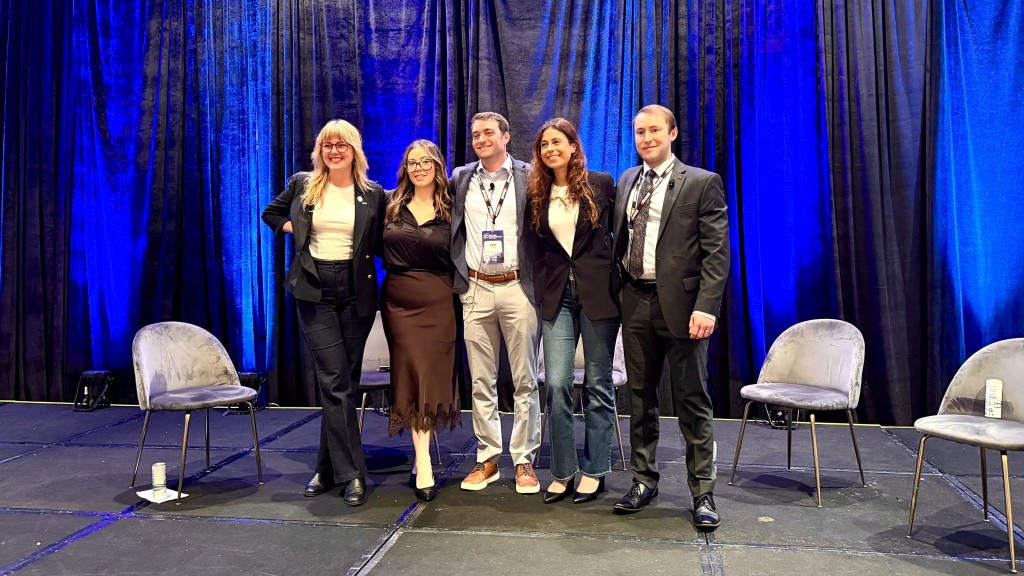
At the most recent Canadian Association of Recycling Industries (CARI) Convention, the Next Gen panel challenged the industry's assumptions about recruitment, retention, and what it takes to build a career in recycling. The recycling sector has spent years asking how to attract young talent, but are companies giving them enough reasons to stay?
What first-generation entrants bring to a legacy industry
In industries built on decades of established practices, those who didn't grow up in the business can get overlooked. However, first-generation entrants can bring significant value precisely because they're approaching things from an outside perspective.
Chrysten Newton, managing director at PMR, broke down the unique qualities that first-gen entrants bring to the table: "The first thing I would say is humility. You really understand that you have a lot to learn. When you're entering a field where people are second, third, fourth generation, or they've grown up and been moulded in it, you really want to absorb as much information and knowledge as you can. You have the humility to understand that you can't do it all by yourself."
Newton also identified grit as a key advantage. "You are also the underdog. You recognize that you need the resilience to push past what people may or may not think you're capable of."
From a business perspective, the most valuable quality is perhaps the willingness to challenge existing processes. "You're not conditioned to [think], 'Well, it's always been done this way,'" said Newton. "So you really can challenge existing processes, as well as certain assumptions that people have made, because they haven't had that macro perspective."
Chaise Coughlan, account manager at Triple M Metal, offered an example of what that looks like in practice. Early in her career, she noticed that some daily tasks felt outdated. She brought it to her mentor and asked why things were done that way. His answer was that it had always been done that way.
"From that conversation, I was then able to demonstrate some simple changes that were able to streamline those processes to make it just kind of a little smoother and a little bit easier," said Coughlan.
The family business path shapes a different kind of leader
For Dan Lundquist, president of Rypac Metal Recycling, and Sam Shine, co-founder and CEO of Freight130, the path into the recycling industry looked a bit different. Shine, a fifth-generation recycler, traced his start back to conversations about the business over family meals, long before he consciously considered a career in it. Similarly, Lundquist was at the yard from a young age, broom in hand, running the scale, loading trucks — work he now credits with shaping how he leads.
"When you're 16 years old, waking up on a rainy morning on a Saturday, you do not want to go into the yard with your dad and do that type of work," said Lundquist. "But now being where I am in this position, I'm really, really grateful for those opportunities. It's helped me lead with a bit of compassion and understanding about what you're asking your team to do. A lot of our staff grew up with me in the yard, so they know that I'm okay with getting my hands dirty. But for all the new people we've hired, too, I think it gives a lot of credibility to be able to lead and manage in that way."
What the next generation of recycling professionals wants from employers
When the conversation turned to what young professionals need from employers to stay engaged and build long-term careers, Coughlan pointed out that young professionals aren't expecting to become senior leaders overnight, but they need to see a path.
"They need to see that growth is structured and not just hoped for," said Coughlan. "Second, I would say, is purpose and ownership. One of the biggest advantages of our industry is that the work we do is real and tangible. If you combine those two, you're not just attracting young talent; you're going to be giving them a reason to stay and to grow with you as a business."
Newton emphasized that giving people a clear path isn't always enough on its own, either — once those guardrails are in place, employers need to trust the people they've hired.
"Give them the autonomy to do what you've hired them to do. Autonomy really does equate to retention. When people feel like they have the agency to act without having to get five people's approval, it really makes a difference."
Regular, meaningful feedback
One of the panel's most practical recommendations was the "stay interview" — a structured conversation held while an employee is still engaged.
"Don't wait till the exit interview to figure out what went wrong," Newton urged. "Make feedback a regular part of reporting, a regular part of growth. And it needs to go both ways. Instead of assuming, ask people: what do you need to feel supported? What do you need to feel engaged?"
Suggested questions for a stay interview include: What do you like about your job right now? What don't you like? Where do you feel you're lacking the skills to get to the next level? Where do you feel the company is holding you back?
Beyond compensation or perks, Newton also emphasized the importance of acknowledgment. "I'm not talking about gold stars. What I'm talking about is giving credit where credit is due. Telling somebody, I see what you're doing. You're doing a great job. Thank you. If we want people to feel engaged in the industry, we need to make them feel that their work matters and that it's making a difference."
What senior leaders often get wrong
Experience can create blind spots that leaders don't always recognize in themselves, especially when it comes to what the next generation needs to grow and how those needs have changed over the decades.
Lundquist pointed to a common criticism of younger professionals: that they conduct business too impersonally, relying on texts and emails rather than phone calls and handshakes.
"It's not that we don't want connection," said Lundquist, noting that younger professionals still place a high value on building relationships. "But the way that we transact now, whether we like it or not, doesn't permit it."
If connection matters, which it does, then the responsibility falls on senior leaders to create deliberate opportunities for it, said Lundquist. Sending young employees to conferences, getting them involved in next-generation programs, and investing in their professional development are all good places to start.
Newton added that senior leaders often focus too much on what they personally bring to the table rather than what their team members are capable of.
"The next generation wants leaders to show them what they're really great at and help them develop those skill sets and abilities," she said. "You need to be making sure that as a leader, you're focused on what everybody on your team does and help them build their strengths."
The next steps for the industry
The panel closed with a broader question: What is the recycling industry's obligation to the next generation?
"I think it's really important for leaders at these companies to make sure that you are running a business and therefore creating an industry that people are going to be proud to be part of," said Lundquist. "You are a good steward of your community. You invest in the communities that you operate in. You treat people well. Employees should be proud to say where they work."
Shine highlighted the responsibility that young professionals who are already in the industry have to welcome those just arriving. He recalled his first convention, when an industry veteran made a point of publicly welcoming him during a toast.
"Things like that, as a young executive, make you feel so good to be there," said Shine. "It makes you feel welcome, that your contributions are valued. For young executives, even someone who's just entering the business, to be that person for someone else goes a long way."
The next generation of recycling professionals wants to know where they're going, to be trusted to get there, to be told when they're doing well, and to feel like they're part of something worth staying for. The companies and associations that get that right will not only attract young talent but will also build the leaders the industry needs for the next fifty years.
Company info



11849 Tannery Rd
Surrey, BC
CA, V3V 3W8
Website:
rypacmetalrecycling.com
Phone number:
604-580-7471