
Letter from the Editor: A hard reset on e-waste
Companies and governments are increasing electronic recycling infrastructure with a centralized focus on recovery
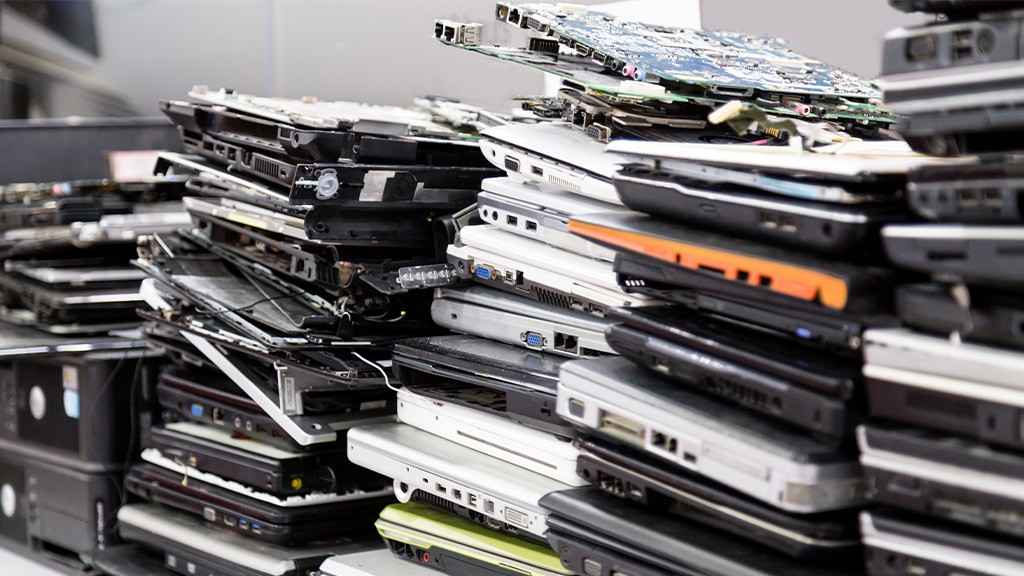
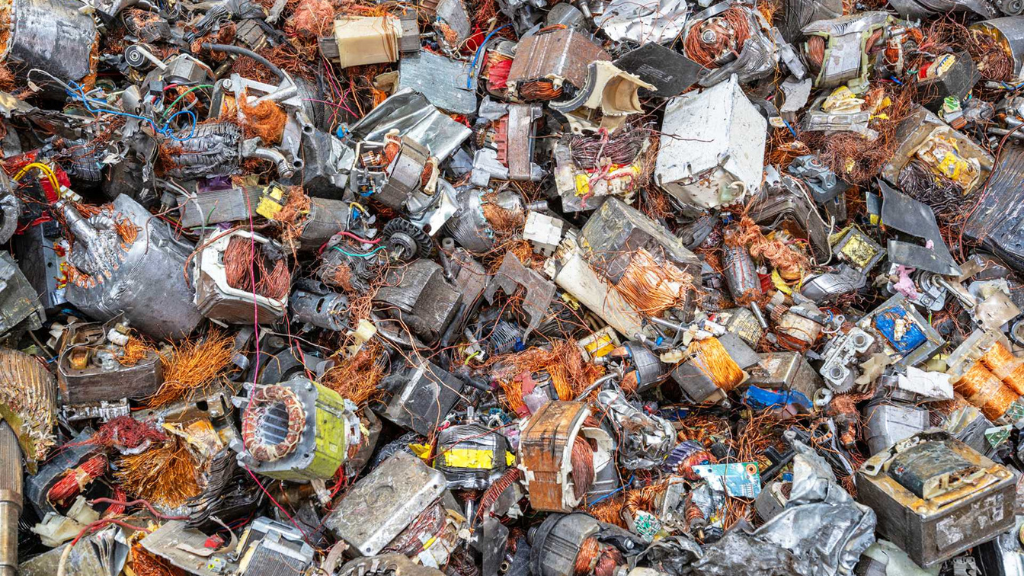
The very top shelf of my closet is a small graveyard of tangled charging cables that I can almost guarantee no longer have a corresponding device, a pair of laptops that haven't seen a software update in years, and every cellphone I've ever owned. Multiply that by a few billion households, and you start to grasp the sheer volume of e-waste the recycling sector must be equipped to handle — and the scale of investment required to handle it.
While the sector has never had a shortage of ambition, it can be difficult to secure the capital investment needed to transform the materials from recovered electronics into tradable commodities. However, the past few months have shown a lot of positive movement.
In Ontario, Quantum Lifecycle Partners recently opened an Advanced Plastics Recovery Line — a $4 million investment integrated into its existing $10 million processing infrastructure — which uses float-sink separation technology to sort mixed e-plastics into clean, separated polymer fractions. The output is high-quality material that meets Basel Convention standards and can re-enter global commodity markets.
So far, Ontario is the only province in Canada that has structured its electronics EPR system around competition. Multiple producer responsibility organizations compete for the same clients, with performance and value determining who wins the business. According to Quantum Lifecycle Partners President Gary Diamond, Ontario's EPR framework has created conditions where it makes economic sense to build this kind of infrastructure domestically.
South of the border in Illinois, Elgin Recycling just completed a brand-new 52,174-square-foot facility designed from the ground up for electronics processing. The building is purpose built, with high-efficiency shredding and strict R2 data sanitization and security practices to meet sensitive information compliance standards and government mandates.
It's also worth noting what's happening at the manufacturer level. Apple's most recent Environmental Progress Report states that 30 percent of materials across all products shipped in 2025 came from recycled content, with 100 percent recycled cobalt in their batteries and 100 percent recycled rare earth elements in all magnets. One report doesn't tell the full story of any company's environmental impact, but Apple's scale alone means that its material commitments send a signal through the supply chain.
None of this means the problems are solved. Consumer awareness and devices that are nearly impossible to disassemble are still issues, but the infrastructure is headed in the right direction.
This article originally appeared in the May/June 2026 issue of Recycling Product News.