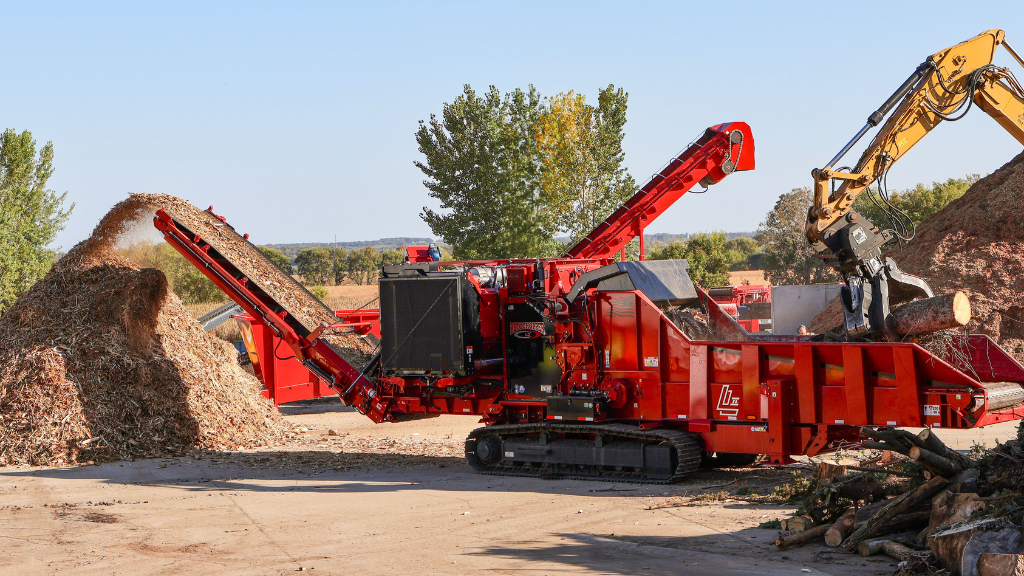

How routine care of horizontal grinders lowers total cost of operation and extends equipment life
Rotochopper explains what to check, what to stock, and what to leave to a technician
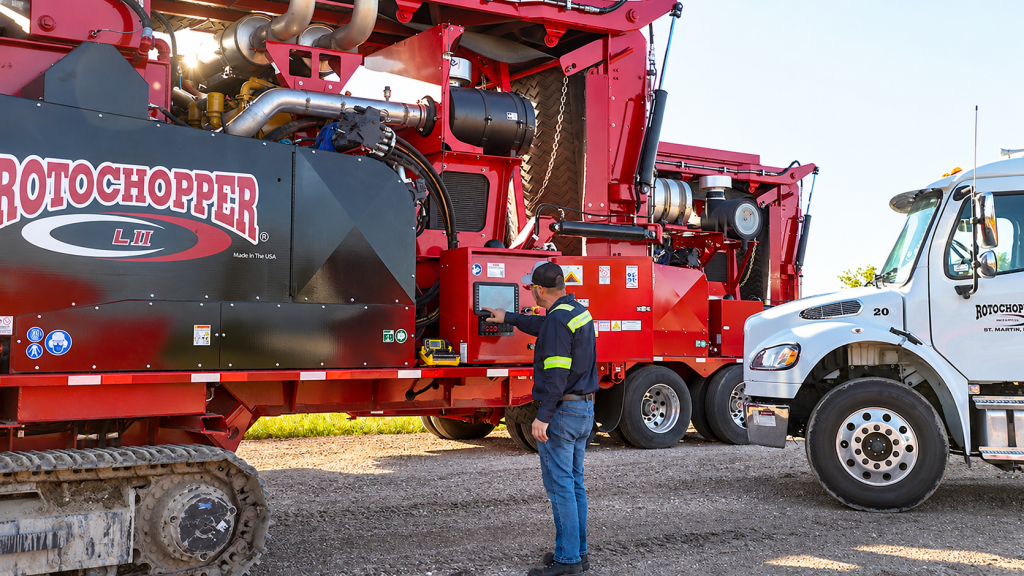
A horizontal grinder breakdown in July costs more than a preventive maintenance visit in February. Teeth dull, screens clog, belts stretch — grinding pallets, stumps, or green waste day in and day out guarantees it. The only question is whether you handle it on your schedule, or if a breakdown forces the issue.
Total cost of operation and profits
For every dollar spent on preventive maintenance, an operation can save an average of five dollars in repair costs, says Rotochopper. Lost production time, emergency labour, parts, and freight all add to the total cost of operation, and running a machine hard on worn teeth, leaking hydraulic fittings, or loose belts burns more fuel while producing less material per hour. Preventive maintenance can save 12-18 percent by turning surprise repair bills into a line item you budget for instead.
Part of controlling that cost is knowing what a crew can handle in-house and what needs a factory tech. Daily walkarounds — checking teeth, clearing debris off mounts, checking belt tension, greasing bearings, and checking fluid levels — are operator work and cost nothing but time. Rotor balancing, hydraulic diagnostics, engine or clutch work, and anything requiring the machine to come apart is tech work, and it's also when bigger wear items like screens, mounts, and rotor bearings typically get replaced.
Freight and downtime are two of the highest hidden costs in that total, and both come down to whether the right part is on hand when it's needed. Rotochopper's Uptime Parts Kit is built around that gap, stocked with the most commonly replaced items — teeth and hardware, belt and lacing supplies, hydraulic filters, cylinders, sensors, and fasteners — specific to a given machine, so when a tech finds something worn on a visit, it gets replaced that day.
Machine performance and lifespan
Preventive maintenance can extend equipment lifespan by 20-40 percent. Skip it long enough, and the machine stops performing the way it's supposed to. Worn teeth and screens, dirty bearings, hydraulics, or oil past its service life will slow output, hurt product quality, or both.
Not every wear part fails on a schedule. Some wear at the rate of whatever is coming through the machine:
Teeth take the brunt of the abrasion. Check multiple times a day; flip or replace once dull, and replace immediately if wear reaches the mount.
Screens control end product size. Watch for thinning, stretched holes, or a drop in production; clean after every use.
Mounts hold teeth to the rotor. Check daily for damage or looseness; a worn mount left unchecked can throw the rotor out of balance.
Wear liners and hardfacing protect the grinding chamber and high-wear areas. Inspect on the daily walkaround and repair before wear reaches base metal.
Others run on a fixed clock, regardless of feedstock:
Rotor bearing grease: every 300-750 hours depending on use; check at 300 hours, recheck every 100 if contaminated.
Clutch oil (FP-66 and B-66 models): every 500 hours, filter included.
Drive belt tension: with every oil change on diesel grinders, or every 250 hours on electric grinders; retighten 20 hours after a new belt goes in.
How fast the material-dependent parts wear still depends on what's going through the machine. A grinder running pallets eight hours a day wears differently than one processing green waste three days a week. Pallets introduce metal contamination that's hard on teeth and screens, land-clearing debris brings dirt and rock that's hard on teeth and mounts, and clean green waste run only a few days a week is gentlest on the machine overall.
Uptime and the long game
Operations that run on preventive maintenance rather than reactive repair see up to 52.7 percent less unplanned downtime — and breakdowns tend to hit during peak season, not a slow Tuesday.
Documented maintenance also matters beyond the shop floor: lenders and insurers weigh service records and repair logs when financing or insuring a fleet, and a grinder with a clean maintenance history sells, trades, and finances better.
What the service team sees
Rotochopper's Preventative Maintenance Program covers horizontal grinders, shredders, and supporting equipment, with regular visits scheduled around the operation's production calendar and emergency visits available when something breaks.
"Ask anyone on our service team which machines they worry about, and it's never the ones on a PM schedule. It's always the ones we haven't seen in a year, where nobody really knows what shape the teeth or the bearings are in anymore. When we're out there regularly, we catch the small stuff before it turns into a service call nobody planned for. That's the whole point of the program — not just fixing things, but knowing what's coming before it happens," says Adam Asmus, Manager of Customer Service at Rotochopper.
A grinder running worn parts is losing money quietly — in fuel, output, and margin — long before it breaks down loud. Preventive maintenance turns that slow bleed into a scheduled, budgeted cost and keeps the machine, and the operation behind it, running longer.
______________________________________________________________________________________
This article originally appeared in the November/December 2026 issue of Recycling Product News.