
Global recyclers must adapt to increasingly complex electronic consumer goods
The Electrics, Electronics, and EV Batteries Committee at BIR discussed the need for increased recycling infrastructure to meet modern needs
At BIR's Electrics, Electronics, and EV Batteries Committee plenary session, the discussion focused on the role of language when communicating the value of recycled materials. Opportunities and barriers to the recycling of critical raw materials in Europe were discussed. As well, feedback was given on a recovery project involving hard disk drive magnets. An additional presentation assessed the outlook for mineral demand resulting from rapid growth in global sales of electric vehicles.
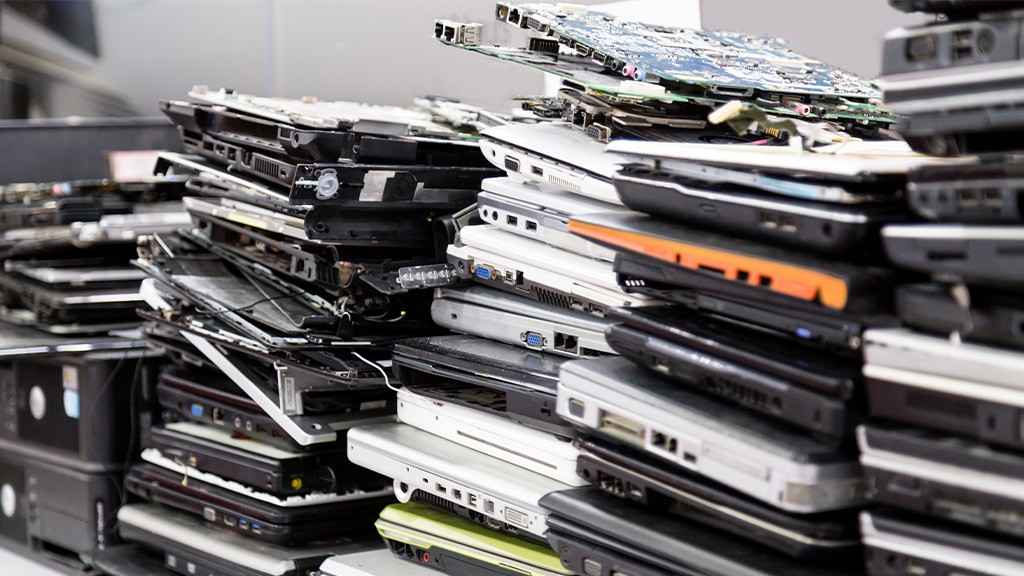
The challenge of recovering critical raw materials from used electronics
Dr Spyros Karamoutsos, general manager of electronics recycler ECORESET of Greece, began by outlining some of the challenges associated with recovering critical raw materials from used electronics, including the extremely heterogeneous nature of this stream and the lack of information available to recyclers about where to locate these materials in end-of-life products.
While the EU's Critical Raw Materials Action Plan, along with the Circular Economy Action Plan (CEAP), recognizes the valuable resources present in used electronics, the speaker suggested that some important steps and clear thresholds must be put in place to boost their recovery, including ensuring all operators work under uniform conditions to produce high-quality products from recycling operations. He also called for unified classification conditions across the EU; the tailoring of the collection rate methodology to the lifespans and characteristics of the different streams of electronics, and financial penalties for collectors removing key components from electronics.
Dr Karamoutsos highlighted the "urgent" need for clear identification and proper labelling of devices to cover composition, where to find critical raw materials, and how to remove them. With electrical and electronic equipment becoming ever more complex, recyclers and manufacturers must "work hand in hand in order to tackle issues before the devices reach the end of their life, or even better, before the devices are even put on the market," he contended.
Indeed, he said, if the EU wants significant progress in critical raw materials recovery, "all the actors in the value chain have to collaborate with each other", including manufacturers, recyclers, collection schemes, and public authorities at national and European level.
The speaker then turned his attention to the Neo-Cycle project involving ECORESET, which focuses on the upcycling of neodymium and boron from spent hard disk drive magnets. Following manual removal of the magnets, these are de-magnetized and subjected to grinding. They then undergo a solid-state chlorination process, followed by leaching for the selective recovery of neodymium in the form of oxalate, which is being used in the pharmaceuticals industry for the production of artificial ingredients; iron in the form of iron hydroxide for use in the fertiliser industry; and boron in the form of esters for use in the production of polymers. The process is currently scaling up to pilot level, and final results are expected in mid-2028.
The rise of electric vehicles complicates current recycling streams
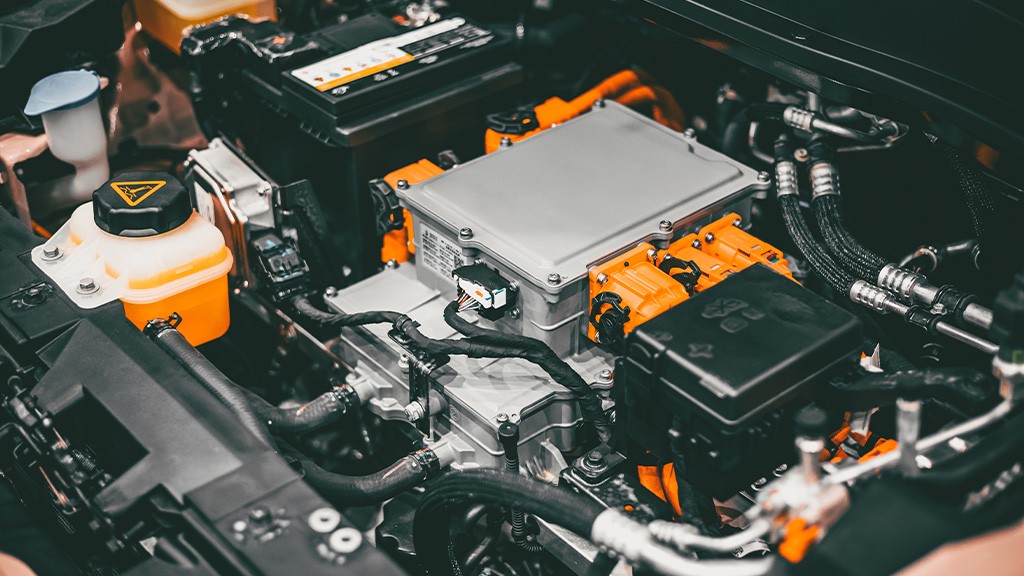
According to fellow guest speaker Alexandre Gouy, analyst at the International Energy Agency, some 20 percent of cars sold globally this year will be electric, and this share will rise to more than half by 2035. The impacts on material use are substantial, as, for example, a battery electric vehicle (BEV) consumes around six times more critical minerals than a regular internal combustion engine. Electric vehicles and batteries are responsible for half of global lithium demand.
Guoy predicts that by the mid-2030s, end-of-life batteries could overtake manufacturing scrap in the feedstock for battery recycling. Roughly 85 percent of global recycling capacity currently resides in China, the country that is also manufacturing the vast majority of EV batteries. "We're seeing a lot of those recycling companies working hand in hand with battery manufacturers to handle the scrap as close as possible to where production happens," he noted. In the coming years, however, he sees recycling companies building more facilities elsewhere in the world, mainly Europe and North America.
"We need to invest not only in recycling capacity but also in collection capacity," he insisted.
"If we were to assume recycling rates of 90 percent for batteries, then it would mean that between 25 percent and 30 percent of lithium, nickel, and cobalt (demand) could be satisfied by secondary production. But on the other hand, if those collection rates were just 50 percent, these numbers would drop to just 15 to 20 percent."
Gouy used the example of lithium iron phosphate (LFP) batteries when making the point that recycling costs can sometimes exceed recovered value, which makes profitability more difficult when adopting conventional business models. Alternative approaches could include a toll-based system whereby payment is made for the service of recycling, and the final customer retains ownership of the minerals. "This means that the cost incentive moves away from the pure price of the commodity and towards the difference in cost between recycling a battery and disposing of the battery in an environmentally friendly way," he explained.
Using language to advance the goals of the recycling industry
The latter part of the plenary session in Gothenburg was devoted to a discussion of how words shape perceptions of the recycling industry, policy, investment, and ultimately the value of recycled materials. This involved both guest speakers and John Sacco, advisor to Sierra International Machinery in the U.S., and host of the Repurposed online documentary series, which tells the story of industrial recycling and its importance to our environment, infrastructure, and everyday health.
Acknowledging that terms such as "e-waste" and "waste" remain deeply embedded in legislation and policy frameworks, the discussion turned to what recyclers can do today to better communicate the value of the materials they recover. Sacco explained that the language used to describe recycled materials can significantly influence public and policy-maker perceptions of the industry, stating: "We are really an industry for profit that has created the ability to reduce CO2 emissions around the world by reusing and repurposing all these metals in our daily lives." He firmly believed in the narrative value of using "recycled" to describe the industry's products rather than "scrap". Pointing as evidence to the decision by the US Institute of Scrap Recycling Industries to change its name to the Recycled Materials Association, he added: "When we go into the government buildings, they welcome us way differently than they did before."
Sacco urged everybody in the industry "to invest in their image", "start branding what you do," and broadcast the positive messages about the recycling industry's activities, such as visiting schools or inviting people to visit company facilities. To this end, Ms Harry urged delegates to play their part in changing the narrative by advocating on behalf of the recycling industry, by talking about what it does and the benefits it brings.
According to Dr Karamoutsos, recycled materials "are resources for something new, for the circular economy". And Gouy added: "I see the recycling industry as an integral part of the solution for the energy transition as a whole. I'm not sure this is the same point of view as for the broader public, and this is why communication is important."
A new name to reflect evolving market forces
During a plenary session of the Electrics, Electronics, and EV Batteries Committee, it was announced that the committee will change its name to the Electronics Committee. The new shortened title reflects the group's commitment to centralizing the issues of recycling in these industries.