
Common misconceptions about designing wire chopping lines
Understanding material mix, system balance, and downstream equipment is key
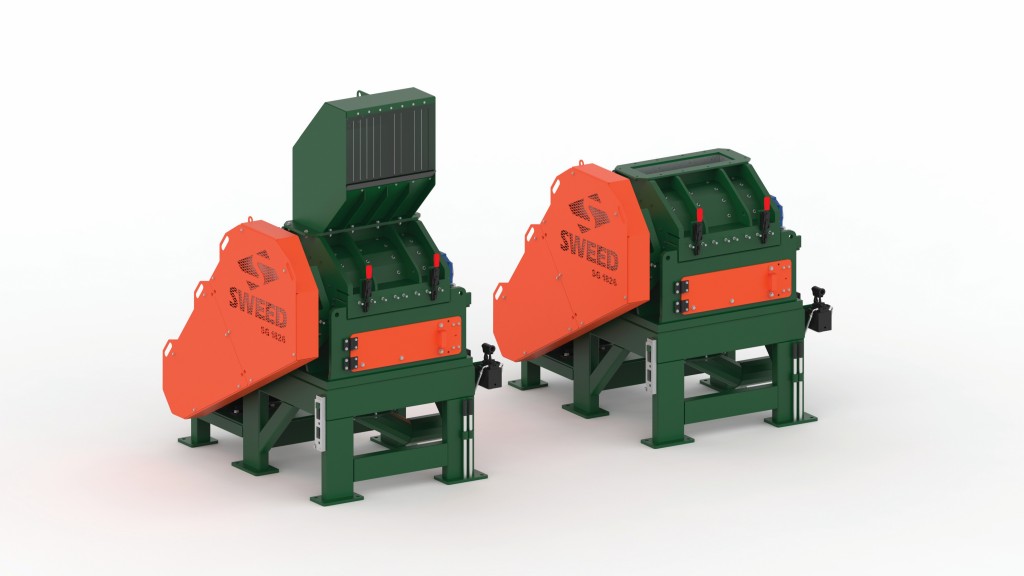
Investing in a wire chopping system isn't as simple as picking a machine from a spec sheet. According to Christopher Simon, recycling system sales representative at SWEED, a powerful machine alone doesn't guarantee throughput — factors like line design, material mix, and equipment balance are the real determinants.
Horsepower alone can be misleading
A common misconception is that total horsepower determines a chopping system's performance. Simon explains that "most chopping lines include several high-horsepower size reduction machines along with smaller motors for conveyors and support equipment. Total installed horsepower alone is not a reliable indicator of overall system performance."
Throughput depends less on raw motor power and more on how well each component of the line is balanced. Rotor speed, knife configuration, and screen surface area in pre-choppers and granulators all affect processing rates.
"Even relatively low-horsepower downstream equipment — density separators, vibratory screens, and air conveyance systems — can become the real bottleneck of the system," says Simon.
The impact of upstream and downstream equipment
If upstream and downstream equipment aren't properly matched, the line operates at the pace of the weakest link. Consequences include bottlenecks, increased wear, higher operating costs, and inconsistent product quality.
Simon advises that buyers should "visit existing installations to observe machines operating under real conditions and verify component capacity. Monitoring amp load helps identify which machine is limiting performance, and this can vary based on material profile."
In addition to site visits, demo testing is a valuable tool. SWEED operates a demo chopping line at its facility in Gold Hill, Oregon, where customers can send samples and attend testing. This allows the team to confirm system balance, realistic throughput, and copper quality before finalizing a design, says Simon.
Material mix shapes performance
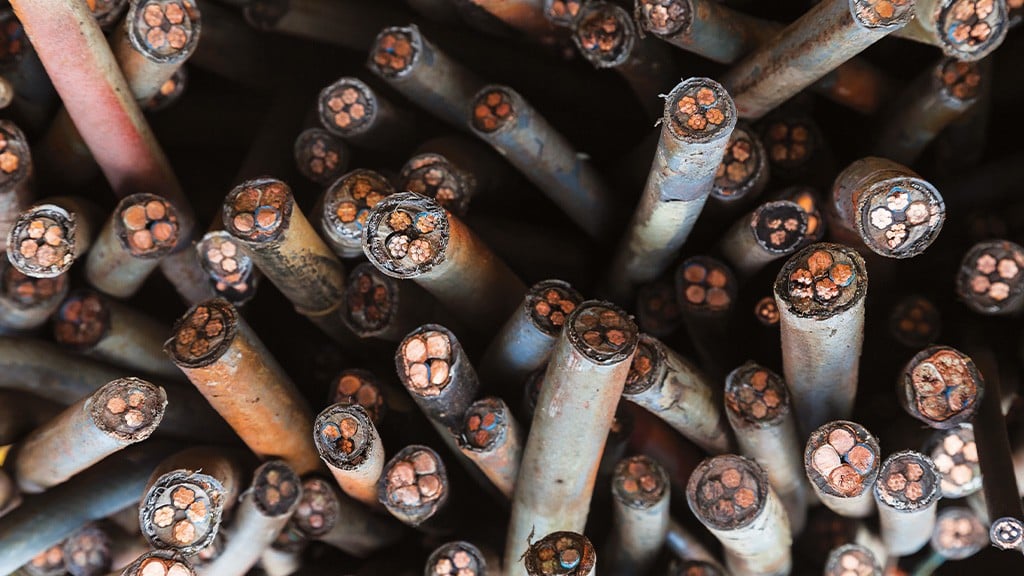
One of the most crucial factors in system design is the mix of materials being processed. As Simon notes, high-grade wire behaves very differently from lower-grade materials such as harness wire or heavily contaminated scrap.
Processing low-grade or heavily contaminated material is inherently challenging, but a system engineered with these conditions in mind mitigates risk. Designing around worst-case material scenarios provides insurance against feedstock variability since high-grade wire will move through the line faster and at a lower cost, while low-grade material is still handled efficiently.
Adjustability is another key consideration. Lower-grade materials may require additional processing and separation steps, while higher-grade streams can bypass these stages to reduce operational costs and minimize unnecessary handling, says Simon. Systems that can adapt based on material input allow processors to maximize efficiency without compromising product quality.
Planning your chopping line for scalability
"One common misconception from first-time buyers is that a chopping line is a single machine that comes in one standard configuration," says Simon. "While lower-volume ‘kit' systems exist, customers processing meaningful volumes should be considering a custom solution designed around their specific material profile."
Simon also emphasizes the importance of detailed material information. "The more information a customer can share about their material types, the better we can design a system that maximizes return on investment." Material composition, cable diameter, and whether reels or spools will be processed all influence the expected performance of the line.
Processing needs are rarely static, which is why scalability should be part of system design from the outset. By collaborating early on in the process, many systems can be built with expansion in mind, leaving physical space and infrastructure to add additional capacity later. This approach allows companies to grow production without replacing major equipment or redesigning the entire line, says Simon.
This flexibility is particularly important in the wire recycling market, where volume and material composition can change rapidly. Lines that can scale without replacing core components provide a competitive advantage, enabling processors to respond quickly to market opportunities without significant downtime.
For buyers who approach the purchase strategically, the result is a line that not only meets current processing needs but adapts to future challenges, handles mixed material efficiently, and delivers consistent, high-quality output.
This article originally appeared in the March/April 2026 issue of Recycling Product News.