
3 ways ReMA’s Women in Recycling mentorship program is building a stronger industry
The program builds industry leadership through connection, confidence, and cross-generational learning
Mentorship matters, especially in an industry as hands-on, fast-moving, and experience-driven as recycling. Whether you're new to the field or decades in, having someone to offer guidance, share knowledge, or simply listen can make a huge difference. For women working in a space that's still largely male-dominated, that kind of support can be even more powerful.
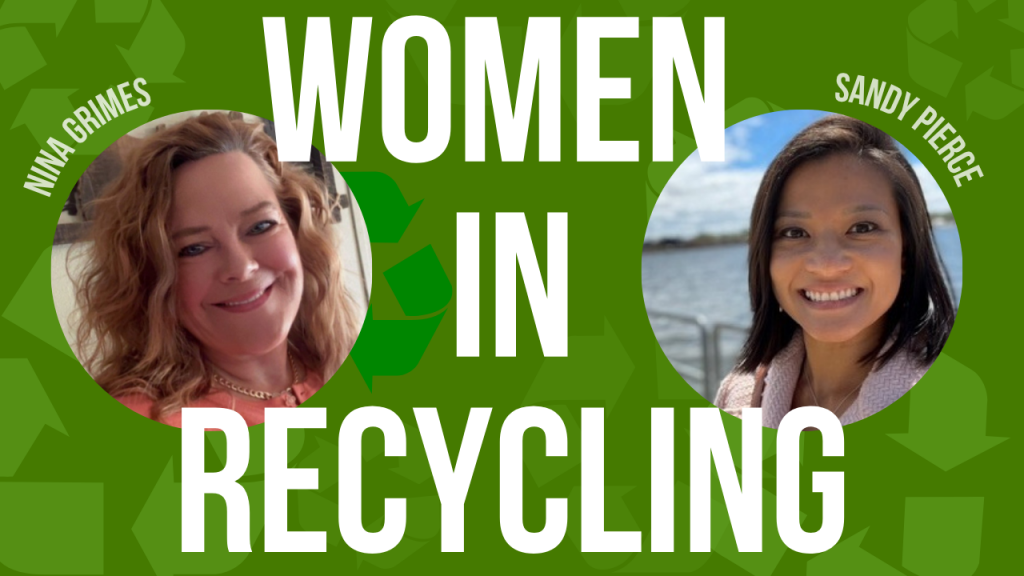
Now in its fifth year, ReMA's Women in Recycling (WIR) mentorship program is focused on building stronger connections, confidence, and leadership across the industry. I caught up with WIR Council members and program leaders Nina Grimes and Sandy Pierce to learn what makes the initiative so impactful and how it's helping to shape the future of the recycling workforce.
1. Mentorship offers personalized learning
Unlike traditional training or workshops, mentorship provides tailored guidance that meets individual needs. It goes beyond textbook knowledge to include insights that can only be learned through real-world experience. According to Grimes, the biggest benefits include "personalized guidance, transfer of tacit knowledge, confidence, courage, accountability, growth, and expanded perspectives and networks." This kind of support helps participants gain traction in their careers while also strengthening their sense of purpose.
2. Knowledge sharing between generations preserves industry wisdom
As Grimes puts it, "older generations carry decades of lived knowledge through trial, error, and success." They've been through the ups and downs and learned what works over time. Mentorship helps bring generations together by letting seasoned pros share the lessons they've learned with the new generation so that they don't have to figure everything out the hard way.
On the flip side, Grimes points out that younger professionals bring technology fluency and a fresh perspective, introducing new ways of doing things and digital tools that can streamline operations.
3. One strong connection can shift your career
Sometimes, one connection is all it takes to shift your entire career. It's not just about getting advice; it's about having someone in your corner who believes in you. That kind of support can boost your confidence, open doors, and give you the courage to show up fully. If you're on the fence about joining, she puts it simply: "What could change in your career if you had just one strong connection that truly believed in you?"
The takeaway
"Mentorship has played a foundational role in the creation and revitalization of Women in Recycling," says Pierce. "When Brandi Harleaux and Nidhi Turakhia led the re-establishment of Women in Recycling within ISRI, they recognized that mentorship is not only essential for accelerating personal and professional growth but also critical to cultivating a strong and sustainable leadership pipeline. As such, mentorship became a central pillar of the initiative's development."
The Women in Recycling mentorship program continues to grow as a key tool for strengthening industry leadership and inclusion. Through guidance, collaboration, and mutual learning, it is helping to shape a more resilient future for all members of the recycling sector.
"As we strive to promote greater inclusion, we are expanding the program to benefit all ReMA members. Our goal is to strengthen the recycling industry by investing in its people — cultivating talent, leadership, and resilience through the power of mentorship."