
The vital role of heavy equipment maintenance for recycling operators
A preventative maintenance strategy puts control back into the hands of the operator
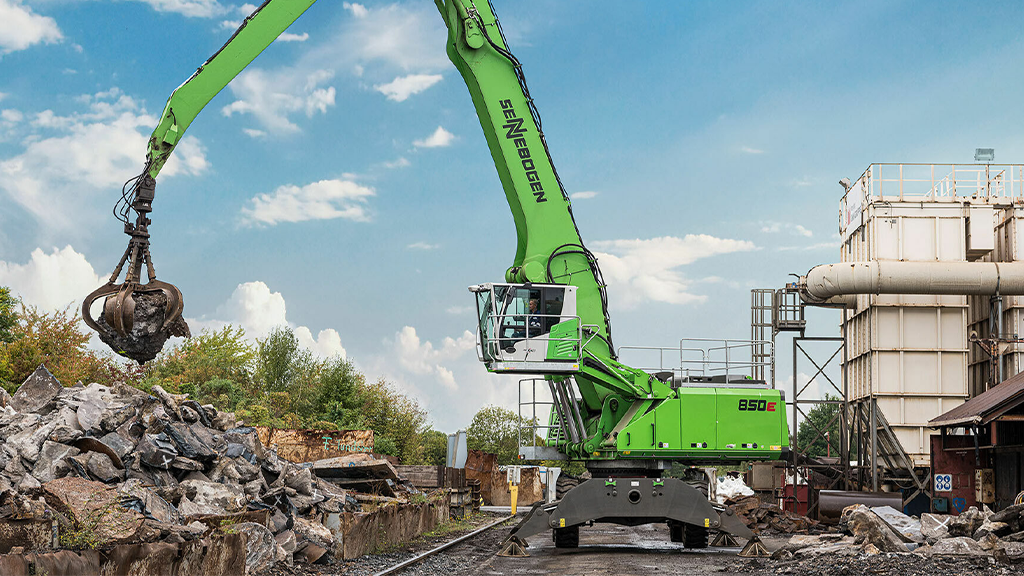
Heavy equipment is an essential component for recycling yards to run efficiently. Machines like material handlers move large volumes of materials, increasing productivity, throughput, and revenue in the yard. While many recyclers focus on optimizing output of raw material to increase revenue, machine failures caused by a lack of maintenance that stop or slow down operations can sink a business — the productivity of a recycling yard depends on profitable uptime.
"The easiest money you can make is the money you don't spend" was the message Colleen Miller, chief sales officer at SENNEBOGEN, shared with the audience at this year's annual CARI Convention during the panel "The Slow Death of Heavy Equipment: How to Make it Happen Faster."
Why does maintenance matter in recycling facilities?
An essential part of running a successful recycling facility, no matter the size, is keeping versatile and purpose-built scrap-handling machines in working order. Operators and mechanics need to be empowered with the skills necessary to plan preventative maintenance and services — otherwise, small repairs can quickly turn into lengthy repairs, forcing a pause in the work process.
During the panel, Miller asked the audience, "Why do we do maintenance?" It boils down to reducing operational costs, extending the life of equipment, and increasing operator safety.
For recycling processors and owners of small scrap yards, failing to comply with regular maintenance checks is one of the fastest ways to experience, as Miller puts it, catastrophic machine failure.
The cost of foregoing simple and inexpensive tasks such as regular cleaning, inspections, lubrication, and timely repairs risks the entire production process.
Common sources of machine contamination in scrap yards
In busy scrap yards and recycling facilities, equipment is exposed to high amounts of dust, dirt, and debris. To combat the unavoidable, operators can make a huge impact on the machine's lifespan by regularly cleaning the exterior and interior of the machine.
For example, dirty air filters can slowly destroy the rubber seals on a piston, causing air from the upper chamber of the engine to back up. Contamination inside the fuel, engine oil, air intake, and hydraulic system seeps in through dirt and particulate debris built up around input points. The result can destroy the entire engine.
As well, failing to properly lubricate moving joints and fluid systems can accelerate wear and tear and cause mechanisms to become locked in place and break apart when the machine is next turned on, costing thousands of dollars in damage.
Miller also pointed out how harmful it is to ignore wear on attachments. She pointed out that "80 percent of machine contamination comes from poor attachment maintenance."
Metallic debris from worn-down, poorly maintained grapples is a common problem in scrap yards that move large amounts of abrasive materials. The tips of tines on grapples should be replaced regularly. When worn down, the metal tines scrape against each other, forcing the cylinders on the attachments to overextend to close. This causes the piston to hit the bottom of the cylinder wall, generating metal fines that enter the hydraulic system. Sediment builds up in the lines, which can cause an expensive repair on the machine.
Recyclers operating heavy equipment need a solid maintenance strategy
Reducing unplanned downtime and saving the bottom line begins with a clear plan for machine maintenance.
A simple — but structured — strategy should balance preventative, predictive, and proactive measures, such as:
- Regular inspections
- Training and development for operators and technicians
- Inventory management for spare parts
- Documentation and record-keeping
- Ongoing education
- Long-term planning
SENNEBOGEN's commitment to recycler success
As the manufacturer, SENNEBOGEN knows that operators and mechanics need the practical knowledge and skills necessary to maintain the machine owners' investment. Miller noted that "operators are a critical component to your machine's success," which is why SENNEBOGEN ensures that through its hands-on Level 1 and 2 training courses, mechanics and operators can gain a detailed understanding of the machine, functions, and fixes.
Equipment owners have the option to send their technicians to a full week of training at SENNEBOGEN's headquarters just outside of Charlotte, North Carolina. During the Level 1 training course, fully certified factory technicians go over the essential machine functions before testing operators to find a series of planted bugs. In the Level 2 training course, operators fully disassemble and reassemble a piece of SENNEBOGEN equipment to familiarize themselves with the machine's inner workings.
SENNEBOGEN also offers prepackaged uptime kits to organize and manage repair parts and maintenance tools to further expedite the process. Assorted parts, connectors, fittings, extensions, and electrical components are delivered in specially designed organizers that streamline the maintenance process.
By ensuring that a facility's team has access to the right tools and training, SENNEBOGEN returns the power of predictive maintenance and repairs to the machine owner, boosting their autonomy and profitability through increased uptime.