

Thermal cameras allow recycling facility to see heat before the flames
Earlier insight into abnormal heat gives operators more time to act
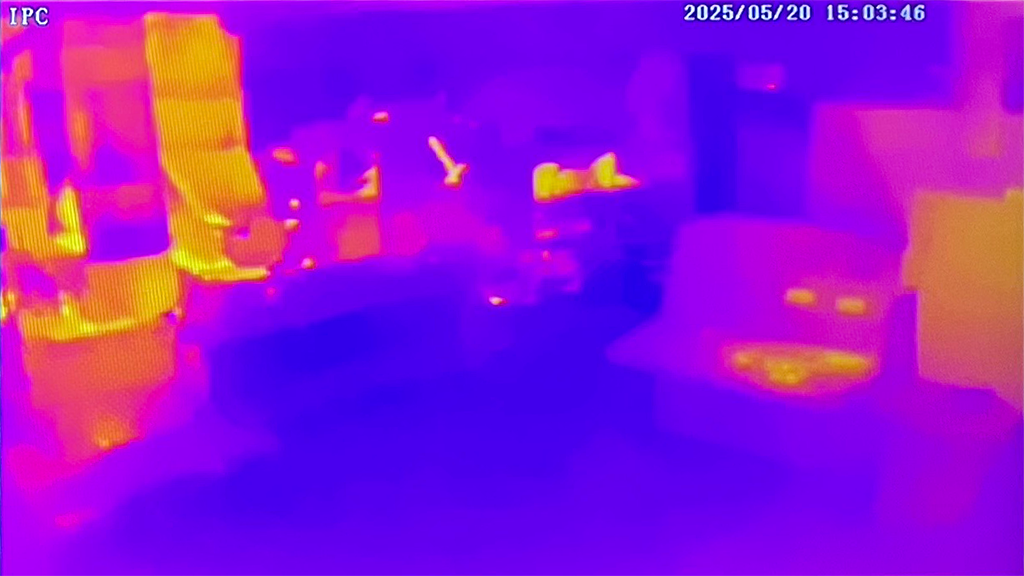
Temperature monitoring can help recycling facilities identify abnormal heat while there is still time to investigate. Thermal cameras help identify anomalies and alert personnel before smoke or visible flame trigger other fire management systems.
Why heat requires its own monitoring layer
Operators cannot completely control what enters a recycling facility. Batteries, electronics, aerosol containers, and other items capable of introducing heat or ignition may be concealed within otherwise routine loads.
Conditions inside the plant add complexity. Equipment generates heat during normal operation, but abnormal temperatures may signal a larger problem. Dust, moisture, outdoor exposure, and constantly moving material can make these conditions harder to observe.
Smoke detection, flame detection, and suppression systems remain essential, but each responds to a different indication or stage of an event. Thermal monitoring contributes a distinct data point by asking a focused question: is something getting hotter than it should?
Thermal images become actionable alerts
Thermal cameras detect infrared radiation and translate temperature differences into an image operators can interpret.
For recycling applications, however, simply displaying a thermal image is only part of the value. The more significant technology development is the ability to analyze that thermal information continuously.
Modern thermal monitoring systems can be configured around temperature parameters established for a particular application. When a monitored area exceeds those parameters, the system generates an alert automatically. This changes the camera from something an operator has to actively watch into a sensor that continuously evaluates conditions.
For example, a camera positioned over a material handling area might be configured to identify a temperature anomaly within the incoming material stream. Another might monitor a conveyor transfer point, storage area, or piece of processing equipment.
If temperatures move outside established parameters, personnel are notified through an on-screen warning, audible or visual alarm, email, or text message, depending on the system configuration. Thermal video monitoring converts temperature information into an actionable warning that gives personnel time to investigate.
AI enhances thermal monitoring
AI is increasingly influencing industrial video monitoring, and thermal applications are no exception.
AI-assisted analysis helps monitoring systems evaluate the thermal data captured by cameras and identify conditions that meet predefined criteria. Rather than relying on an employee to notice a small hot spot somewhere within a large camera view, software continuously analyzes the area.
Opticom Tech's MIB-5141T thermal camera, for example, combines AI-assisted thermal analysis with customizable temperature parameters to monitor conditions around the clock and automatically alert to unexpected conditions. This type of automation is particularly useful in recycling operations to provide continuous oversight while employees concentrate on operating the facility.
Combining thermal data with visible video
Temperature data tells operators that something is hot. Visible video helps them determine what that something is. For that reason, dual-sensor cameras that combine thermal and conventional video are particularly useful for industrial monitoring.
When thermal monitoring indicates an elevated temperature at a particular location, the corresponding visible image provides additional context so personnel can determine next steps as quickly as possible.
Some thermal monitoring systems require separate thermal and visible-light cameras. Dual-sensor cameras combine infrared and visible-light views to prevent camera duplication.
Where thermal monitoring adds value
Camera placement should follow material movement and the facility's documented risk assessment. Useful monitoring points may include:
- Inbound or tipping areas, where unknown materials first enter the plant.
- Conveyors and transfer points, where batteries may be crushed or exposed.
- Shredders and size-reduction equipment.
- Balers and compacting equipment.
- Storage bunkers and stockpiles.
- Charging or parking areas for mobile equipment.
- Motors, bearings, and electrical equipment, where unexpected heat is a warning.
The strategic approach is to identify locations where abnormal heat is most likely to develop, where an event could spread quickly, or where personnel may have limited visibility.
Camera selection and placement should also account for the environment. Recycling plants expose electronics to dust, moisture, vibration, and changing temperatures, so cameras need to be chosen accordingly. Look for an IP67 rating and operating temperatures that meet your needs.
Integration goes beyond detection
One of the most important considerations when evaluating thermal monitoring technology is what happens after an abnormal temperature is detected.
An alert that appears only on a monitor in an unattended office has limited value. Facilities should think through how alerts will reach the people responsible for responding and how the technology will fit into existing procedures.
Depending on the system, alerts may be routed to operators via a variety of communication methods. Hardwired input/output also allows thermal cameras to communicate with other facility systems.
Facilities should consider these integration requirements early rather than treating the thermal camera as an isolated piece of equipment.
Monitoring is just one layer of fire management
No technology should be viewed as a standalone solution to fire risk. Thermal monitoring works as part of a larger fire management strategy that might include material handling procedures, employee training, equipment maintenance, smoke and flame detection, suppression systems, and emergency response planning. Thermal technology:
- Continuously monitors high-risk areas of a facility.
- Automatically alerts to temperature anomalies.
- Notifies personnel who can investigate and react.
In an industry handling increasingly complex material streams, even a small amount of additional response time can be valuable.
Intelligent monitoring with thermal cameras
The evolution of thermal technology illustrates a larger shift taking place in industrial video. Cameras that were once primarily used for security or post-incident review are increasingly becoming active sources of operational intelligence.
With thermal imaging, AI-assisted analysis, and automated alerts, video systems can continuously evaluate conditions and bring potential concerns to operators' attention.
Thermal monitoring won't eliminate the inherent fire risks associated with processing unpredictable material streams, but it provides earlier insight into one of the most important warning signs available: abnormal heat.
As recycling facilities evaluate new technologies for safer and more resilient operations, thermal cameras are helping operators recognize changing conditions soon enough to act.
_________________________________________________________________________________________
Heidi Schmidt is the Global Sales Manager at Opticom Tech. As a sales leader at Opticom Tech, she helps customers implement robust video monitoring solutions for unique and harsh industrial environments.
This article originally appeared in the 2026 Recycling Technologies special issue of Recycling Product News.

