
First-of-its-kind bill targets fast fashion-driven waste
The Textile Waste Reduction Act introduces a framework to improve circularity in the textile industry
Congresswoman Chellie Pingree (D-Maine), founder and chair of the Slow Fashion Caucus, introduced the Textile Waste Reduction Act (TWRA), a first-of-its-kind bill that addresses the harmful impacts of fast fashion-driven waste.
Based on recommendations made in the first-ever Government Accountability Office (GAO) report on fast fashion pollution — originally requested by Pingree and Rep. Rosa DeLauro (D-Conn.) in 2023 — this landmark legislation establishes the first coordinated federal framework to reduce textile waste, improve data collection, and develop a national strategy to advance circularity in the textile industry.
The TWRA targets circularity in a wasteful industry
Specifically, the act seeks to:
- Direct the EPA Administrator to take coordinated federal action to advance textile circularity
- Require the EPA to develop a comprehensive National Textile Circularity Strategy and conduct a needs assessment identifying the actions, investments, and policy priorities necessary to implement the strategy
- Create an Interagency Working Group on Textile Circularity to coordinate federal activities
- Establish an Advisory Board to provide recommendations to the Interagency Working Group
- Require the EPA to identify and publish federal funding opportunities available to states, Tribal governments, local governments, and nongovernmental organizations that support textile circularity
- Require the EPA to annually publish updated data on textile waste generation and management
Textile waste represents an underrepresented industry in recycling and sustainability
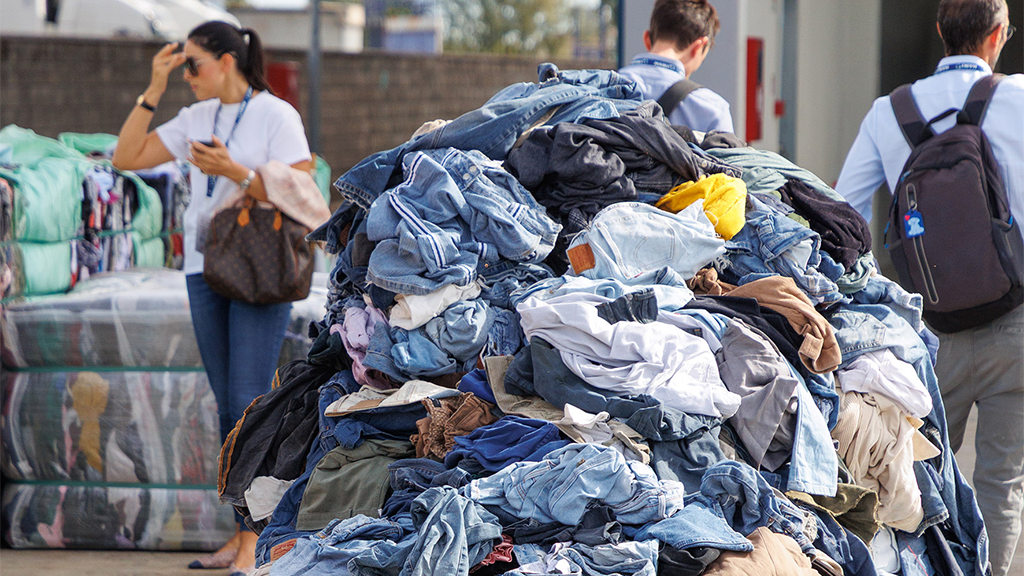
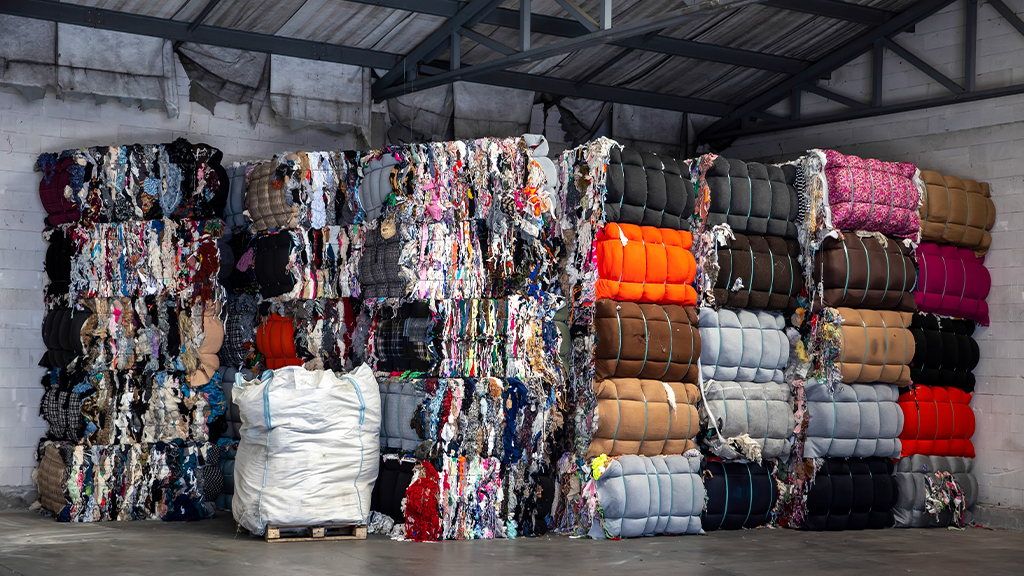
Textile waste is now one of the fastest-growing waste streams in the United States, with millions of tons of textiles discarded each year and the vast majority ending up in landfills. These discarded materials may leach contaminants, including PFAS and microplastics, into water and soil and increase costs for communities grappling with capacity shortages at landfills.
Despite the harmful impacts of this fast fashion-driven increase in textile waste, there has been no coordinated effort at the federal level to tackle this problem and support a more circular textiles economy.
In addition, over the past several decades, hundreds of thousands of fibre and textile jobs that once sustained communities across America have shifted overseas, harming American farmers and communities in the process.
Pingree founded the Congressional Slow Fashion Caucus in June 2024 to create climate-smart policies to reduce, repair, rewear, and recycle textiles. The caucus has garnered widespread support, including from American Circular Textiles, the Garment Worker Center, Al Gore's Climate Reality Project, Patagonia, ThredUp, fashion designer and slow fashion influencer Kelly Dempsey, and more.
"The GAO report confirmed what we've known for years: that textile waste is one of the fastest-growing waste streams in the U.S.; that it's being driven largely by fast fashion; and that federal action is necessary to confront this crisis in a real, impactful way," said Congresswoman Pingree. "This bill would help lay the foundation for that effort by creating a coordinated federal strategy to reduce textile waste and build a more circular textile economy. Our country has the resources and know-how to lead this effort on a global scale. It's well past time we turn that potential into action — and help transform this wasteful industry into one that's more efficient, more sustainable, and better for people and the planet."