
Q&A: Tyler Rothstein on the growing complexity of e-waste
Sealed devices, embedded batteries, and a widening definition of electronic waste are reshaping how recyclers operate
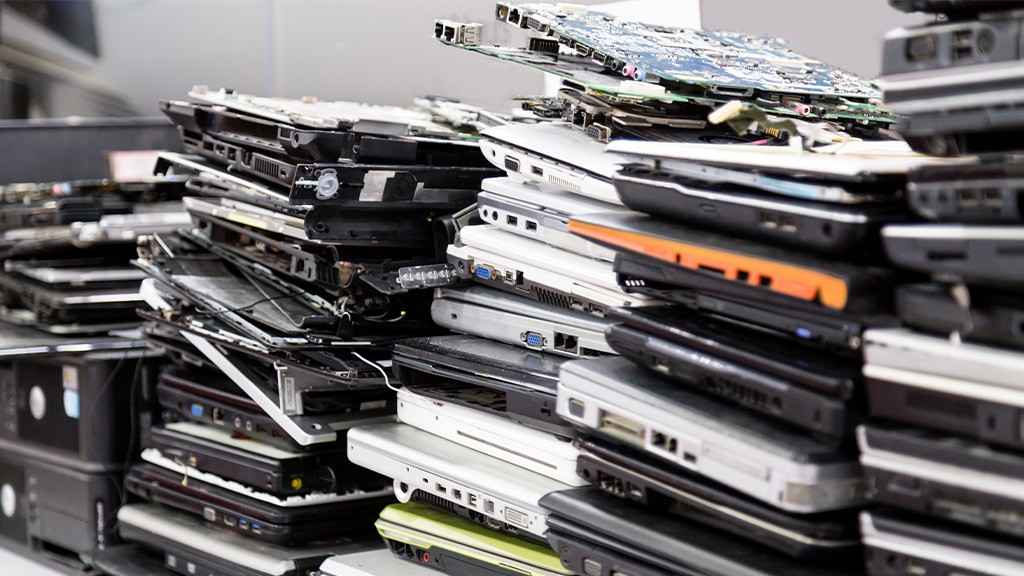
Electronic devices are becoming an increasingly large part of what eventually ends up as waste. As sealed designs and embedded lithium-ion batteries make disassembly more hazardous, and as connected technology spreads into products that were never considered e-waste before, recyclers are under growing pressure to keep pace.
I caught up with Tyler Rothstein, Head of Electronics Recycling at John Ross & Sons Ltd., to discuss his path into the industry, the biggest misconceptions around e-waste, and where the recycling sector is headed as more everyday products become electronic.
Slone Fox: How did you get your start in the recycling industry, and what ultimately drew you toward electronics recycling?
Tyler Rothstein: I first entered the recycling industry three years ago. At the time, I was studying at Dalhousie University to earn a Bachelor of Commerce degree. I was enrolled in the co-op program, where students have the opportunity to complete three internships throughout their studies.
Like many other university students, I was still trying to determine what kind of career path I wanted to pursue. That changed when I met the Ross family and discovered an opportunity with John Ross & Sons Ltd. I was given the chance to gain first-hand experience in the metal recycling business. I learned by being directly involved, asking questions, and working alongside mentors who had spent their careers in the industry. I quickly realized that recycling was much more complex than I had previously thought.
As I gained experience, I became especially involved and interested in electronics recycling. E-waste sits at the intersection of technology, commodity markets, and environmental responsibility. Products and materials in the technology sector are constantly evolving, so there is always something new to learn.
What began as my second university co-op placement ultimately developed into the exciting career I have today. I currently head the electronics recycling division at John Ross & Sons Ltd. It was not the path I expected to take when I started, but it is one I am extremely proud of.
SF: What is the biggest misconception people have about e-waste recycling?
TR: The biggest misconception is that electronics are no different from more familiar recyclable materials. People often see an old computer, television, or cellphone as a single item, but electronics are much more complex than they appear on the outside.
Technology changes quickly, and even two devices that perform the same function may need to be treated differently by recyclers depending on their age, design, and manufacturer. That variety makes electronics recycling a specialized and constantly evolving part of the broader recycling industry.
I also think people underestimate the importance of the product life cycle of electronics. Devices do not simply disappear when they are replaced. Electronics recyclers have a responsibility to help divert these items into the appropriate streams while educating people about the importance of recycling them properly.
Unwanted electronics should not be treated like ordinary garbage. Using an appropriate recycling program helps ensure that devices are handled and disposed of responsibly. That small decision by the consumer is where the entire recycling process begins.
SF: How have sealed devices and difficult-to-remove batteries affected electronics recycling?
TR: Sealed devices and difficult-to-remove batteries are among the biggest hazards facing electronics recyclers. As electronics have become thinner, lighter, and more compact, hazardous materials have become increasingly difficult to identify. They may be enclosed inside a device, difficult to see, or challenging to remove without the appropriate knowledge and tools. This is a significant issue that recyclers everywhere face when handling end-of-life materials. Batteries are one of the most important considerations.
In electronics recycling, we encounter lithium-ion batteries in many different types of devices. These batteries require particular care. Fires involving them have been occurring more frequently throughout the industry. A lack of appropriate knowledge and tools can lead to serious consequences.
Products that are harder to disassemble require more time and care during processing before their different materials can be separated. Manufacturers' product designs directly affect what happens at the end of an electronic product's life. Designing devices with safe battery access and eventual recycling in mind can make a meaningful difference.
SF: What's the biggest technological or market shift you expect to reshape e-waste recycling in the next five to ten years?
TR: I believe the biggest shift will be the growing amount of technology built into new everyday products. E-waste is no longer limited to items such as computers, laptops, televisions, and phones. Today, batteries, sensors, and connected technology are found in household appliances, tools, toys, vehicles, and even furniture.
As more everyday products become electronic, the definition of e-waste will continue to expand. Items that once would have entered traditional waste streams may now contain electronic components that require more careful consideration. The scale of this issue becomes more significant every day.
For the recycling industry, the challenge will be keeping pace with the speed of technological change. Products are evolving faster than ever, and recyclers will need to remain informed and adaptable as electronics become an even larger part of everyday life.
SF: What do you enjoy most about working in the recycling industry?
TR: What I enjoy most is the variety. No two days are the same. I constantly encounter different products, materials, and challenges along the way. One day might involve learning about an unfamiliar piece of technology, while another could involve helping customers better understand how to recycle their electronics properly.
I also enjoy how relationship-driven the recycling industry is. I have had the opportunity to meet some incredible people so far. These relationships have played an important role in developing my skills and understanding of the industry.
Recycling electronics and helping reduce landfill waste is very rewarding. I get to play a part in helping the environment every day at work, and that is something I am personally very proud of.
Most of all, electronics recycling keeps me excited. Technology changes very quickly, which means the material entering the recycling stream changes along with it. There will always be new products to understand and new challenges to solve.
______________________________________________________________________________________
This article originally appeared in the September/October 2026 issue of Recycling Product News.