
How a recent U.S. Executive Order could change recovery of critical minerals
Recovering rare earth minerals from e-waste within the U.S. will reduce reliance on foreign sources while supporting recovery capacity
As the U.S. government moves to strengthen domestic access to critical materials, a recent executive order directing the Commerce Department to address exports of recoverable critical minerals and materials is putting greater attention on the resources contained in end-of-life technology.
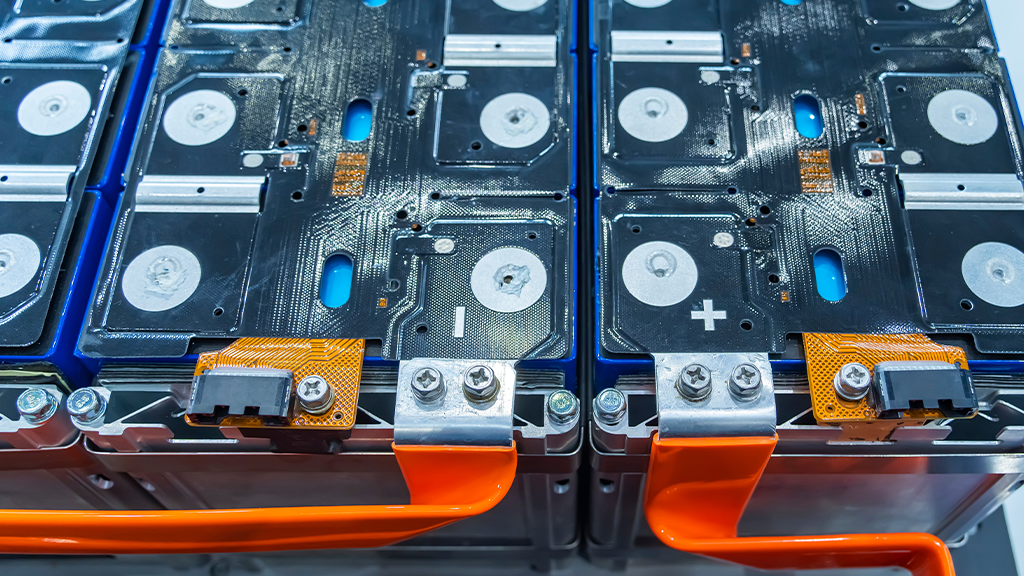
The new policy initially addresses tungsten-containing scrap and lithium-ion battery black mass, which can contain recoverable materials including tungsten, lithium, cobalt, nickel, manganese, and graphite. The broader presidential determination gives the Commerce Department authority to develop rules, guidance, and procedures to strengthen the supply of these materials, including potential restrictions on exports of other recoverable critical minerals and materials.
Recycling service providers need to be prepared for the policy change
For Re-Teck — a provider of secure IT asset disposition (ITAD) and reverse supply chain management (RSCM) services — the policy shift reinforces a trend already reshaping how organizations approach retired GPUs, servers, storage systems, and other technology assets.
"Critical materials and rare earth minerals have become a supply chain, economic, and national security issue," said Linda Li, chief strategy officer for Re-Teck. "The new policy direction makes it clear that materials contained in end-of-life products have strategic value. Organizations need to know where those materials are going, who is receiving them, and how they will ultimately re-enter the supply chain."
The federal action reflects a broader effort to recover valuable materials before they leave the domestic recovery stream. According to Reuters, the United States exports nearly 33,000 metric tons of e-waste per month, much of it containing lithium and other critical minerals. Recovering more of these materials in the U.S. will reduce reliance on foreign sources while supporting domestic recycling and recovery capacity.
Re-Teck is focusing on new recovery streams
The changing policy environment is also prompting Re-Teck to strengthen its controls around downstream sales and material disposition.
"We have taken some immediate actions regarding the presidential executive order," Li said. "We are establishing a very strict control procedure and protocol before we sell anything. We are doing very thorough reviews of all our downstream buyers. It's not enough to know who they are or where the company is registered. We need to know who their shareholders are and who they are selling to after they buy from us."
Re-Teck is also incorporating that additional scrutiny into its sales and approval processes by adding independent screeners and auditors who will review each sale, determine what is being sold and to whom, and provide a separate approval.
As policymakers focus more closely on domestic access to critical minerals, the reverse supply chain is becoming an increasingly important component of the broader technology supply chain. Retired IT equipment represents a reservoir of materials already embedded in the economy. Establishing secure, transparent, and controlled pathways to recover those materials can help transform end-of-life technology into a strategic resource while maintaining visibility into where recovered materials ultimately go.
Re-Teck's network combines reverse logistics, certified data destruction, refurbishment, parts harvesting, material recovery, and responsible recycling to help customers manage the full lifecycle of data center infrastructure and enterprise IT assets while maximizing recovery value.