
Greyparrot secures $27M in funding to advance AI waste sorting rates
AI-based analysis improves recovery and compliance as waste becomes an essential resource
Greyparrot raised $27 million in Series B funding led by technology investor Omar Mir. The investment follows a major milestone for Greyparrot's AI, which has now detected more than one trillion waste objects. With the new funding, the company aims to scale its technology to help abate more than one million tonnes of waste by 2030.
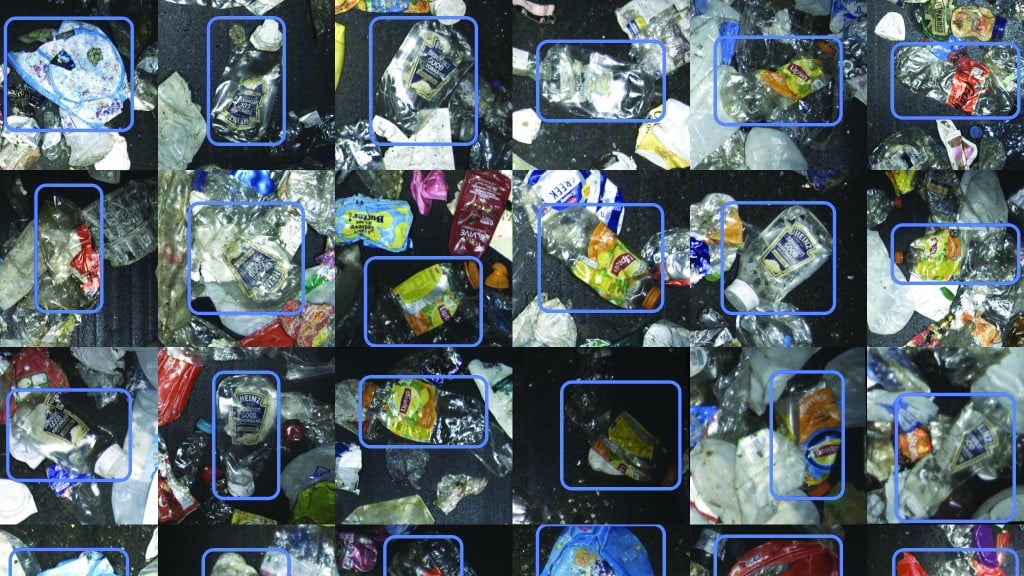
The funding comes as the waste and packaging sectors face growing pressure to improve recovery, demonstrate compliance and provide more reliable information on material flows. Greyparrot's AI camera systems, known as analyzers, are installed above sorting belts in recycling facilities across more than 20 countries. The analyzers identify materials, products, and brands in real time, giving operators continuous data on the composition and movement of waste through their facilities.
Greyparrot AI transforms profitability by improving recovery rates
Waste and recycling companies including WM, Circular Services, Veolia, Biffa, and FCC use Greyparrot's technology to improve recovery rates, monitor material quality, and run more profitable facilities. Continuous, shift-by-shift visibility replaces occasional manual sampling, helping operators improve yield, strengthen audits and compliance reporting, and plan for waste-stream changes resulting from regulation.
Facilities using Greyparrot's real-time AI data have reported efficiency gains of 10 percent to 30 percent, with one site saving more than £1.5 million in a year.
Brands are also using Greyparrot's data to understand how packaging performs after disposal. Consumer goods companies including Unilever, L'Oréal and Kenvue use Greyparrot's Deepnest platform to inform redesign, compliance and exposure to fees under Extended Producer Responsibility (EPR) schemes and the EU Packaging and Packaging Waste Regulation (PPWR).
The wider opportunity extends across the waste and packaging value chain. Less than 0.1 percent of the world's estimated 2.3 billion tonnes of annual solid waste is currently audited, leaving operators, brands and policymakers with limited visibility into where valuable materials are lost. Pew and Systemiq estimate that between $80 billion and $120 billion of plastic value is lost through linear systems each year.
Harnessing data increases the value of recovery
Waste intelligence turns these material flows into measurable data, helping the value chain recover more resources, design better packaging, and make more informed operational and policy decisions.
Across Greyparrot's network, drawn from more than one trillion detections, the materials identified by its analyzers represent an estimated $2.5 billion in recoverable value. This includes 17.4 billion PET bottles, enough to circle the Earth more than ten times, and 4.2 billion aluminium items (a metal that can be recycled using up to 95 percent less energy than producing it new).
Confrontation over natural resources is one of the top global risks of the next two years, and resource shortages are among the most severe threats of the decade, according to the World Economic Forum's Global Risks Report 2026. Yet markets cannot invest in what they cannot measure. This funding scales the intelligence layer that allows the market to price and back secondary materials as an asset class in their own right.
Greyparrot knows that waste is a resource
"Waste is one of the planet's largest untapped resources, and data is the infrastructure that unlocks it. This funding lets us scale rapidly across North America and Europe and grow our AI, data science and product teams. The technology, market demand, urgency and momentum are all here, and we are ready to scale our impact," shared Mikela Druckman, co-founder and CEO of Greyparrot
"Waste intelligence will do for materials what satellite data did for navigation. For decades, waste has been a blind spot. Nations compete for resources while burying and burning existing resources. What's been missing is the ability to measure what they're losing. Once you can measure a material, you can trade it and invest in it."
"That is when the circular economy stops being an ambition and becomes infrastructure," commented Ambarish Mitra, co-founder of Greyparrot.