
Cyclic Materials and ERI partner to recover rare earth magnets from e-waste
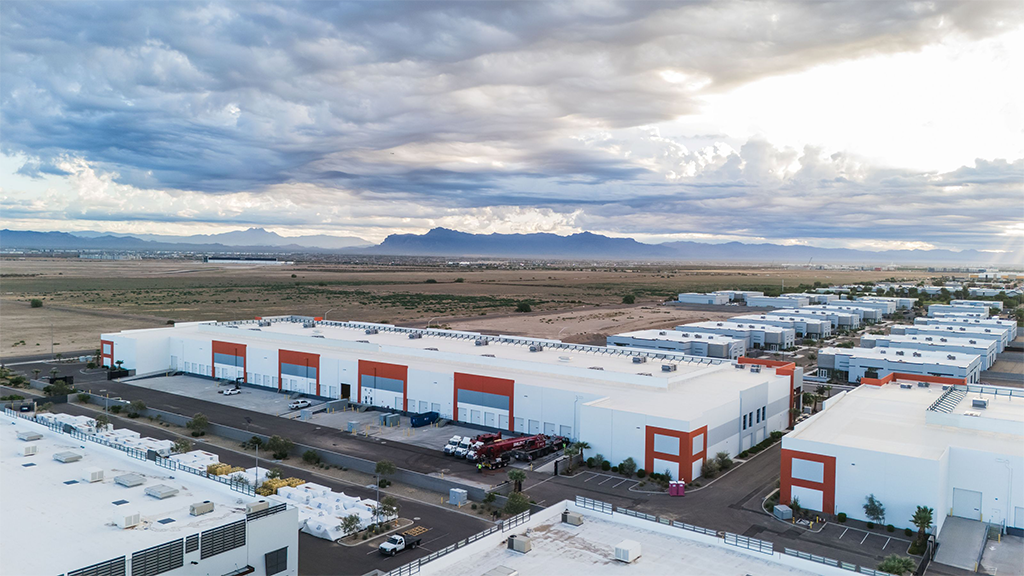
Feedstock will be sent to Cyclic Materials’ Arizona facility, capable of processing 25,000 tph of end-of-life components annually
ERI and Cyclic Materials have signed a strategic partnership agreement to build a rare earth recovery ecosystem in the U.S. by combining ERI's nationwide collection network to process high-volume magnet-containing products. The partnership will leverage ERI's nationwide collection network with Cyclic Materials' commercial rare earth recovery and refining technologies.
E-waste has become a valuable source for minerals and magnets
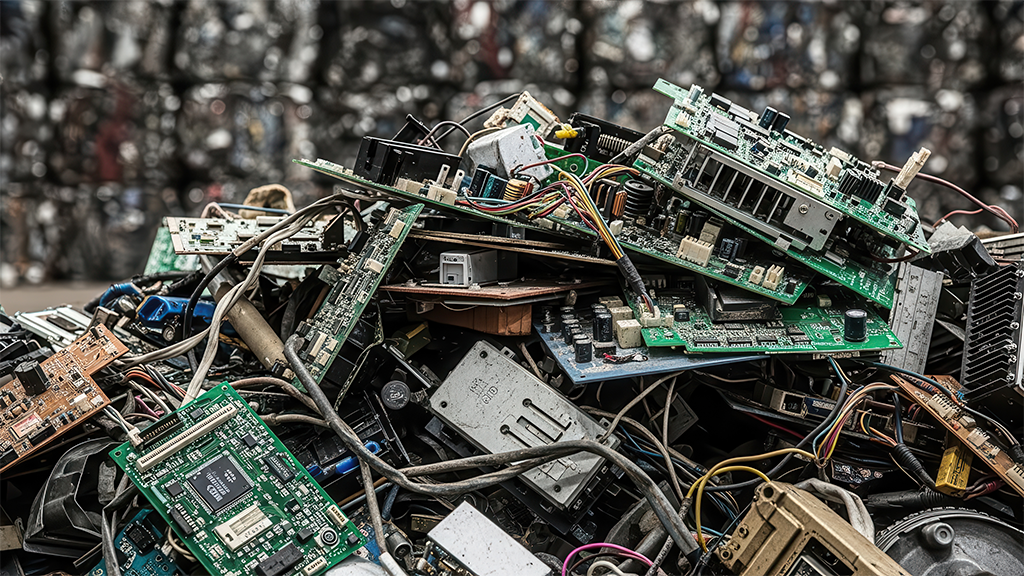
End-of-life electronics represent one of the largest untapped sources of rare earths and critical minerals in the world; however, many of these products are often discarded, and critical materials become lost to waste streams.
Unlike traditional mining, recovering rare earths from products already in circulation is becoming the most realistic approach to solving the supply chain constraints with speed and onshore. Cyclic Materials' rare earth recycling will provide a domestic supply of rare earths that supports the robust manufacturing sector, increases national security, and enables growth across AI, defense, automotive, and other major industries.
ERI, which recycles more than one million pounds of electronic waste every day, will leverage its global collection network and eight U.S.-based recycling centres to pre-process and send materials containing rare-earth magnets and other critical materials to Cyclic Materials for rare earth recovery.
The companies have begun conducting sample analysis to qualify products for rare earth recycling, and have so far identified multiple high-volume product categories that will be sent to Cyclic Materials.
Cyclic Materials leverages its existing infrastructure
Additionally, Cyclic Materials will also recover other critical materials such as copper and aluminum in its process. Feedstock will be sent primarily to Cyclic Materials' Arizona operations, where the company has a facility capable of processing up to 25,000 tonnes of end-of-life components annually in the U.S.
Under the partnership, Cyclic Materials and ERI will also jointly pursue RFPs for recycling and recovery of critical materials, as well as other commercial and government opportunities that support the development of circular supply chains for critical materials in the U.S.
"As one of the world's largest electronics recyclers, ERI processes an immense volume of products annually, and this partnership will transform that volume into an impactful supply of rare earths for the U.S.," said Ahmad Ghahreman, CEO and founder of Cyclic Materials. "Together with John's team, we are creating a new supply of rare earths by unlocking materials already in circulation and recirculating them into the supply chain, which derisks foreign trade tensions, increases supply chain resilience, and strengthens national security."
"It's an honour to partner with Cyclic so that we can bring new levels of efficiency to closing the loop on critical minerals," said ERI's Chairman and CEO John Shegerian. "Cyclic's innovative technology and state-of-the-art facility provide commercial capabilities that make the circularity of heavy rare earth elements more accessible than ever before. Together we will be able to make a tremendous impact. It's also a great privilege to be working alongside Ahmad, who brings a complete perspective on critical elements and is truly one of the greatest known authorities on mining in the world today."
Through advanced, proprietary, AI-driven software and hardware solutions, ERI is able to identify and access material with magnets and rare earth elements at a distinct purity level, which enables Cyclic Materials to then recover the critical rare earth elements.
As governments increasingly prioritize domestic supply chain security, and demand for rare earth elements continues to accelerate globally, Cyclic Materials is rapidly expanding its global footprint to support the domestic infrastructure for critical material recovery across North America, Europe, and Asia.