

Post-consumer plastic recovery tops 5.1 billion pounds in U.S., per 2024 study
Plastic film represented the largest increase, with a jump of 206.8 million pounds from 2022 to 2024
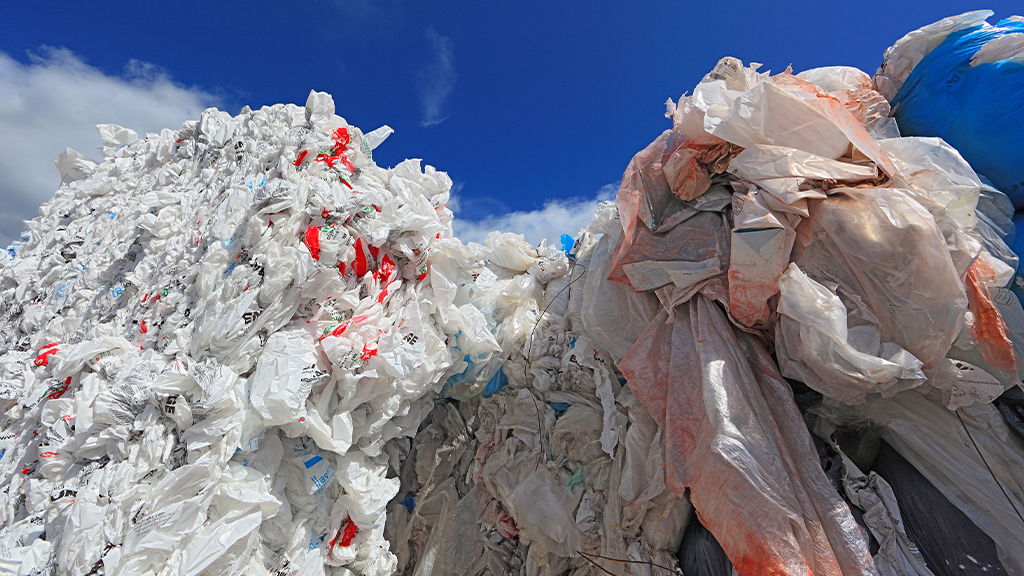
A recent study found that the U.S. topped 5.1 billion pounds of post-consumer plastic recovered for recycling in 2024, marking an increase of 114.9 million pounds from the previous reporting period in 2022.
Using the 2024 U.S. Post-Consumer Plastic Recycling Study, the Association of Plastic Recyclers (APR) published the 2024 U.S. Post-Consumer Plastic Recycling Data Dashboard using results based on surveys conducted by Stina Inc., as well as the National Association for PET Container Resources (NAPCOR).
The study is conducted every two years and represents the most accurate measurement of the volume of post-consumer plastic recovered for recycling nationwide based on data from facility operations.
Key findings from the 2024 U.S. Post-Consumer Plastic Recycling Study
While overall recovery increased, growth varied significantly across material categories. Plastic film posted the largest increase, rising by 206.8 million pounds for a total of 1,317.2 million pounds recovered. Bottles declined by 89.3 million pounds for a total of 2,694.7 million pounds recovered, and non-bottle rigid plastics declined by 7.5 million pounds for a total of 1,104.3 million pounds recovered. Other plastic categories varied.
Findings also align with recommendations outlined in APR's recent report, How to Rebuild and Protect North America's Recycling System, which identifies practical strategies to strengthen domestic recycling through increased investment, improved collection and sorting systems, stronger demand for recycled plastics, and policies that support long-term market growth.
Survey respondents described a market that remained under pressure throughout 2024. Elevated bale prices, soft demand for post-consumer recycled (PCR) resin, and persistently low virgin resin prices compressed margins across the recycling industry, making it more difficult for reclaimers to invest in additional capacity. It should be noted that these findings reflect market conditions prior to the PET recycling plant closures that occurred in 2025 and 2026.
"The industry has proven it can recover more than five billion pounds of post-consumer plastic, but holding steady isn't the goal," said Steve Alexander, president and CEO of the Association of Plastic Recyclers.
"Plastic recycling is poised for significant growth as a proven solution to reduce plastic waste and strengthen domestic manufacturing, but today's marketplace continues to favor low-cost virgin plastic over recycled materials. To unlock the next phase of growth, we need policies that create stronger demand for recycled plastics and support investment across the recycling value chain."
Keeping recycled plastics in the North American circular economy
The data reinforces the commitment to recycle plastics in North America, rather than overseas. Nearly 94 percent of the plastics recovered for recycling — 4.8 billion pounds — were processed by North American reclaimers, including Canada and Mexico.
U.S. reclaimers alone acquired 4.4 billion pounds, demonstrating the substantial domestic recycling infrastructure already in place to process recovered plastic, which contributes jobs and economic benefits across the more than 21 states with active plastic reclamation facilities.
"The findings reinforce that a stronger recycling system depends on every part of the value chain working together," said Crystal Bayliss, executive director of the U.S. Plastics Pact. "This type of data consistently shows that plastic recycling works every day, and residents and businesses should feel confident putting recyclable plastics in their recycling bins. By designing packaging for circularity, strengthening collection systems, and expanding demand for recycled materials, we can turn incremental gains into lasting, system-wide progress."
Where can plastics recycling improve?
While this data represents one of the industry's most comprehensive assessments of post-consumer plastic recovered for recycling, because the United States does not currently require comprehensive reporting for plastic recycling, a national recycling rate cannot be calculated consistently.
The data underscores several opportunities to strengthen the recycling system, including continued investment in collection and recycling infrastructure, stronger demand for recycled materials, and policies that improve system performance.
Seven states have now enacted packaging Extended Producer Responsibility (EPR) laws, which are designed to provide dedicated funding for recycling systems while establishing more consistent reporting on the amount of packaging produced and the amount reused, recycled, or composted. As these programs are implemented, the additional reporting is expected to provide a more complete picture of recycling performance and help inform future investments and policy decisions.