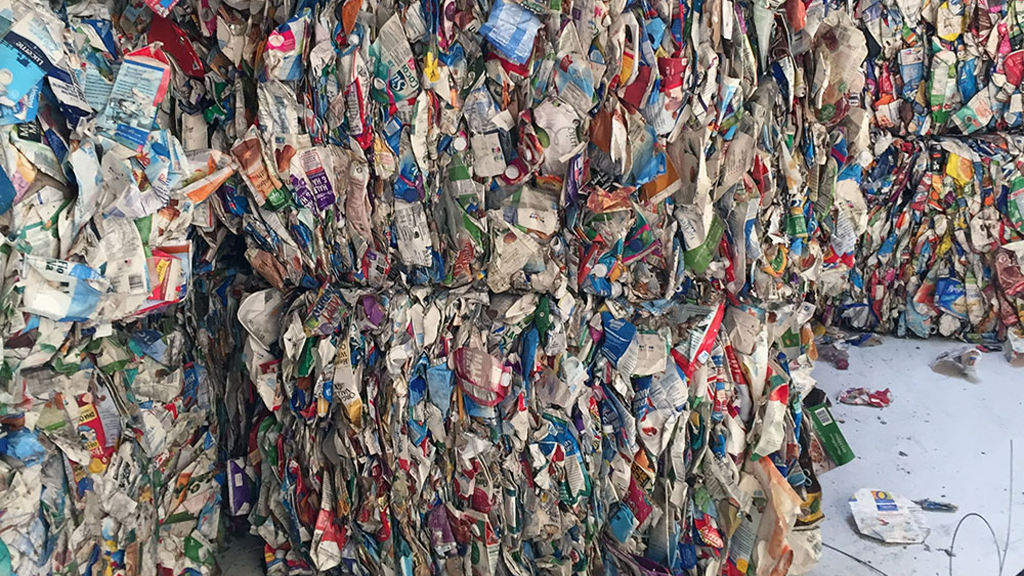

How EPR and eco-modulation fees impact the recycling and packaging industries
These policies are designed to eliminate waste and improve recyclability at the manufacturing level
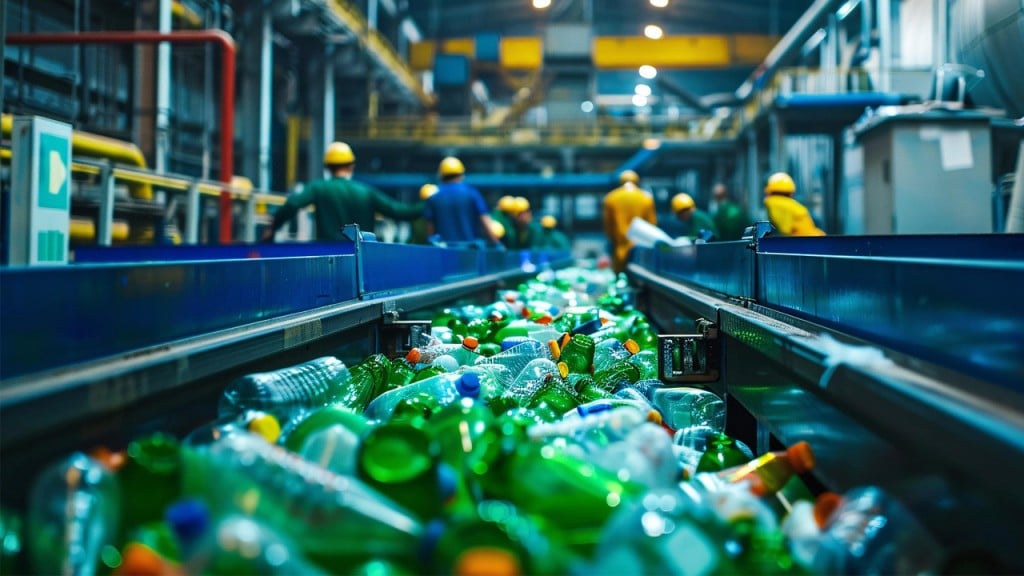
One of the most significant policies reshaping the packaging industry is extended producer responsibility (EPR) — a regulatory framework that begins at the point of manufacturing and design.
EPR requires packaging producers to take financial and logistical responsibility for managing the waste and environmental impacts their products generate. Compliance is typically achieved by joining a producer responsibility organization (PRO) and paying associated fees.
Across North America, EPR programs for packaging are expanding rapidly. In Canada, provinces including British Columbia, Alberta, Saskatchewan, Manitoba, Ontario, Quebec, PEI, Nova Scotia, New Brunswick, and the Yukon have implemented or begun transitioning to producer-funded recycling systems. In the United States, Maine, Maryland, California, Oregon, Washington, Colorado, and Minnesota have enacted packaging EPR legislation.
While many producers and packaging companies are concerned about new obligations, those who adopt sustainable practices early can benefit through eco-modulation programs, which reduce EPR fees and other compliance costs to reward sustainable innovation.
What is eco-modulation in EPR?
Eco-modulation is the practice of adjusting EPR fees based on a product's environmental impact.
Producers who use sustainable materials and minimize environmental harm at the product concept stage receive lower fees and financial incentives. Those who do not are charged more.
While approaches vary by jurisdiction, eco-modulation has become a common feature of modern EPR systems in both the United States and Canada as policymakers seek to encourage more recyclable and resource-efficient packaging.
Many in the packaging industry view EPR primarily as a regulatory burden, with increased compliance costs, reporting requirements, and material-specific fees. Eco-modulation reframes this: it encourages system-wide change toward more sustainable, recyclable, or compostable packaging, rather than simply paying a fee to offset recycling costs while continuing business as usual.
Why eco-modulation matters beyond recycling
Recycling alone cannot solve packaging's environmental impact. The environmental cost of producing new items often exceeds the impact of disposal, and some recyclable materials can cause more harm than non-recyclable alternatives, even accounting for full recycling benefits.
Eco-modulation addresses this gap by incentivizing producers to reduce impact at the source, not just at end-of-life.
EPR and eco-modulated fees in Oregon
In August 2021, Oregon enacted its EPR program for packaging through the Plastic Pollution and Recycling Modernization Act, which aims to streamline recycling for consumers, broaden access to recycling services, improve sorting facilities, and generate environmental benefits by mitigating issues like plastic pollution.
In July 2025, PROs set the criteria and calculations to adjust and lower fees in accordance with the eco-modulation system to encourage sustainable packaging and product design that lessens the burden on material recovery facilities and Oregon's waste management system.
Oregon's Department of Environmental Quality states: "Even if recycling was conducted flawlessly throughout the nation, it could only deliver 31 percent of the needed 90 percent greenhouse gas reduction from that sector."
Several strategies have been introduced to reduce the impacts of food service packaging, printing, and writing paper. These include expanding reuse and closed-loop systems, reducing material use through right-sizing, increasing the use of renewable energy, and prioritizing packaging designs that reduce toxicity and other environmental impacts throughout the product lifecycle.
Colorado's EPR and eco-modulated fees
Colorado introduced its EPR legislation for packaging — the Producer Responsibility Program for Statewide Recycling Act — in June 2022. This law creates a system where "companies that sell products in packaging and paper products" contribute financially to a statewide recycling initiative to handle specific materials.
The program covers packaging materials and paper products used to contain, protect, handle, or deliver products to consumers, regardless of the material from which they are made or whether they are recyclable. Packaging material includes:
- Paper
- Plastic
- Glass
- Metal
- Cartons
- Flexible foam
- Rigid packaging
Similar to Oregon's program, Colorado's EPR plan includes an eco-modulation system. The goal of the Colorado government is to reduce the creation of new packaging materials, enhance recyclability, increase the use of post-consumer recycled materials, and make all containers reusable and refillable.
Maine becomes the first state to implement EPR for packaging
With the passage of its Stewardship Program for Packaging in July 2021, Maine became the first state to implement an EPR law for packaging. The law aims to reduce packaging waste, lower toxicity, and boost recyclability, as outlined by Maine's Department of Environmental Protection.
The program requires producers to contribute funds through a stewardship organization (SO), which is used to reimburse municipal recycling costs, enhance recycling infrastructure, and educate residents on effective recycling practices.
The program's exemptions cover certain producers, such as those with annual revenues below $2 million, those selling less than 1 ton of packaging in Maine, or producers generating more than half of their revenue from salvaged goods.
Section 13 also outlines the full reduction of fees for producers who use recycled content, lower toxicity, reduce the amount of material used (right-sizing), reduce waste from packaging, increase reuse of materials, use recycled content, and increase the recyclability of the material.
EPR and eco-modulated fees in California
In June 2022, California introduced an EPR program for packaging with the signing of the Plastic Pollution Prevention and Packaging Producer Responsibility Act.
The law aims to reduce packaging waste and increase recycling to support California's environmental goals, with three major targets for 2032:
- Ensure 100 percent of single-use plastic packaging and foodware is recyclable or compostable
- Achieve a 65 percent recycling rate for single-use plastic packaging and foodware
- Reduce single-use plastic packaging and foodware use by 25 percent
To help support these goals, CalRecycle appointed the Circular Action Alliance (CAA) as the program's PRO. The state expects to see eco-modulated fees similar to Colorado and other states where the CAA is a designated PRO. Producers are expected to contribute $5 billion over ten years, starting with annual payments of $500 million in 2027.
California will add fees for the presence of hazardous materials, as well as toxic heavy metals, pathogens, or additives. The state will lower fees for reduction related to right-sizing, actions taken to improve consumer recycling practices, and the increased use of renewable materials for items wrapped in plastic.
California's packaging EPR program has now entered the implementation phase, with producers required to register with either CAA or CalRecycle and submit packaging supply data. Final regulations took effect in May 2026, establishing the framework for producer reporting, compliance, and future fee assessments.
California's program remains one of the largest packaging EPR initiatives in North America and is expected to drive significant investment in recycling, composting, and packaging redesign.
Minnesota's EPR and eco-modulated fees
Minnesota enacted the Packaging Waste and Cost Reduction Act in 2024, becoming the fifth U.S. state to adopt EPR legislation for packaging and paper products. The goal of the act is to reduce impacts on human health and the environment caused by the creation and the lifecycle of consumer materials.
The program ultimately aims to invest in public education, expand infrastructure jobs, reduce the costs associated with creating more refillable, reusable, recyclable, and compostable packaging, and produce fewer packaging materials going forward.
The program, managed by the Minnesota Pollution Control Agency, aims to make all packaging and paper products refillable, reusable, recyclable, or compostable by the year 2032.
Like all other active EPR laws for packaging in the U.S., Minnesota's bill makes clear mention of plans to include eco-modulated fees to incentivize sustainable decisions at the design stage. Specific goals for this stage include eliminating toxic substances, reducing the amount of paper in packaging, increasing the use of post-consumer materials in package designs, and using more materials from sustainable sources.
Canada's EPR snapshot
Across Canada, provinces and territories are at different stages of implementing, expanding, and refining extended producer responsibility programs for packaging and paper products.
While some jurisdictions are transitioning to full producer responsibility, others are focused on optimizing mature systems, expanding recycling access, improving collection infrastructure, and standardizing accepted materials. Together, these efforts reflect a broader shift toward producer-funded recycling systems and greater accountability for packaging throughout its lifecycle.
British Columbia's established EPR system
British Columbia was the first province in Canada to implement a full EPR program for packaging and paper products, launching its Packaging and Paper Product EPR Plan in 2014.
Managed by Recycle BC, the program has become one of the most mature packaging EPR systems in Canada, collecting more than 200,000 tonnes of packaging and paper products annually and achieving a recovery rate of nearly 80 percent.
In September 2025, the province approved Recycle BC's updated EPR plan, introducing new collection and recycling targets and updated measurement methodologies. Recycle BC has also begun taking greater control of its post-collection network, issuing new requests for proposals for processing and recycling services.
Alberta puts EPR into action
Alberta launched Phase 1 of its EPR program for packaging and paper products on April 1, 2025. Under Alberta's EPR framework, producers are now responsible for funding 100 percent of the residential packaging and paper recycling system.
Administered by Circular Materials, the first phase covers more than 200 communities through a combination of direct management and municipal service-provider agreements. The province's transition to EPR is intended to improve recycling efficiency, support local recycling markets, and shift the costs of residential recycling from municipalities to producers.
Phase 2 is scheduled to begin on October 1, 2026, bringing additional communities into the system and expanding service to locations that previously relied on depot-only collection. Once fully implemented, Alberta plans to adopt a unified list of accepted materials across participating communities.
Saskatchewan builds a province-wide system
Saskatchewan launched its full extended producer responsibility program for household packaging and paper in December 2024.
Operated by SK Recycles, the program is funded by manufacturers, brand owners, and retailers and is responsible for the collection, processing, and recycling of packaging and paper products across the province.
The transition to full EPR will continue through 2027 and includes the creation of a standardized province-wide recycling system. The program establishes a consistent province-wide list of accepted materials, including flexible plastics, foam packaging, and non-deposit glass containers. It also incorporates a province-wide material tracking system to improve transparency and monitor recycling performance.
Manitoba prepares for full EPR
Manitoba is working toward a transition to full extended producer responsibility for residential recycling. While producers currently fund approximately 80 percent of the province's packaging and printed paper recycling system, a move to full EPR would transfer complete financial and operational responsibility to producers.
Multi-Material Stewardship Manitoba (MMSM) is leading the transition, and it has proposed a phased implementation model that would allow communities to choose between managing collection services themselves or participating in a program-led approach. Once approved, the transition is expected to occur over approximately four years.
Ontario completes the Blue Box transition
Ontario completed its transition to full EPR for packaging and paper products on January 1, 2026, completing the province-wide transfer of responsibility for Blue Box materials from municipalities to producers.
Circular Materials now oversees a common collection system serving more than five million households across 383 municipalities and 12 First Nations communities. The transition also introduced a unified materials list across the province, creating greater consistency in what residents can recycle regardless of where they live.
Ontario finalized regulatory amendments in 2025 that strengthen transparency, improve data collection and system assessment, and help maintain collection services for small businesses. New materials recovery facilities are also being brought online to support the province's recycling infrastructure.
Quebec measures early results
Quebec recently completed the first full year of operation under its modernized curbside recycling system, which operates under full producer responsibility through Éco Entreprises Québec (ÉEQ).
In 2025, the system collected 791,000 tonnes of material and sent 607,000 tonnes for recycling, with 63 percent processed within Quebec. The province reported an 87 percent residential collection rate and reduced contamination from 14 percent to 13 percent.
As part of the transition, ÉEQ has consolidated collection contracts, expanded its role in marketing recovered materials, and introduced province-wide education campaigns focused on improving recycling performance.
New Brunswick expands access
New Brunswick continues to expand its producer-funded recycling system following the introduction of its EPR framework for packaging and paper products.
Circular Materials serves as the province's designated producer responsibility organization and achieved a significant milestone in 2025 when all communities gained access to curbside recycling services. The province is now focused on expanding recycling access to schools and multi-family dwellings while preparing for the introduction of a uniform accepted materials list in 2027.
Nova Scotia launches a new model
Nova Scotia's Extended Producer Responsibility for Packaging, Paper Products, and Packaging-like Products regulations came into force on December 1, 2025, with Circular Materials serving as the province's approved PRO.
Unlike many jurisdictions, Nova Scotia implemented its transition without a phased rollout. The province has retained its dual-stream blue bag collection system while introducing a province-wide list of accepted materials.
Nova Scotia is also investing in new recycling infrastructure, including a Halifax-area preconditioning facility that will serve both Nova Scotia and New Brunswick. The facility is expected to open in 2027 and will incorporate advanced sorting technologies designed to improve material recovery.
Prince Edward Island updates deposit return system
Prince Edward Island transitioned its beverage container deposit return system (DRS) to an EPR framework on April 1, 2026.
Under the new model, Encorp Atlantic serves as the designated producer responsibility organization and manages the program on behalf of producers. One of the most significant changes is the shift from a half-back refund system to a full-refund model, allowing consumers to recover the entire deposit amount when containers are returned.
The transition reflects the province's broader move toward greater producer responsibility and aligns its deposit return system more closely with evolving EPR frameworks elsewhere in Atlantic Canada.
Yukon begins its rollout
Yukon launched the rollout of its EPR program for packaging and paper products on November 1, 2025, following approval of Circular Materials' stewardship plan earlier that year. The territory is implementing the program in phases, with full implementation expected by May 2027.
The new framework is designed to create consistent recycling services across Yukon while shifting responsibility for packaging and paper waste from local governments to producers. As part of the transition, Circular Materials will introduce a standardized accepted materials list and establish collection, reporting, and performance systems intended to improve recycling access and accountability throughout the territory.
Northern and Atlantic jurisdictions remain in transition
Newfoundland and Labrador has previously consulted on the possible implementation of EPR for packaging and paper products, though no recent public developments have been announced. To date, neither the Northwest Territories nor Nunavut have proposed EPR frameworks for packaging and paper products.
Dive deeper into EPR for packaging programs
Staying ahead of new EPR laws begins with a thorough understanding of your packaging's sustainability impact and expertise in conducting life cycle assessments.
With all current U.S. EPR for packaging programs — including eco-modulation programs that incentivize sustainable packaging design — conducting life cycle assessments can help you map your product/packaging system and value chain, understand key impact areas, and optimize design for reduced impact at the concept phase.
For a closer look at EPR programs in your region, explore the Packaging School's collection of guides:
Company info

640 S Main St #100
Greenville, SC
US, 29601
Website:
packagingschool.com
Phone number:
+ (1) 864-412-5000

1600, René-Lévesque Blvd. West Suite 600
Montreal, QC
CA, H3H 1P9
Website:
ecoentreprises.qc.ca