
Why recyclers need a seat at the policy table
Recycling industry leaders say early engagement and strong local relationships are key to shaping effective recycling policy
By the time a new recycling regulation is passed, the opportunity for industry input may already be gone.
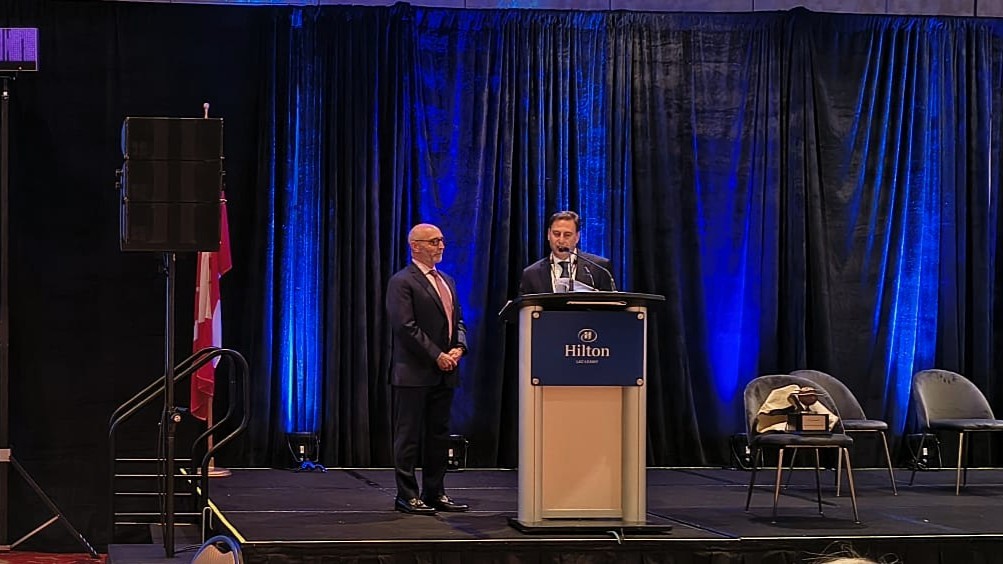
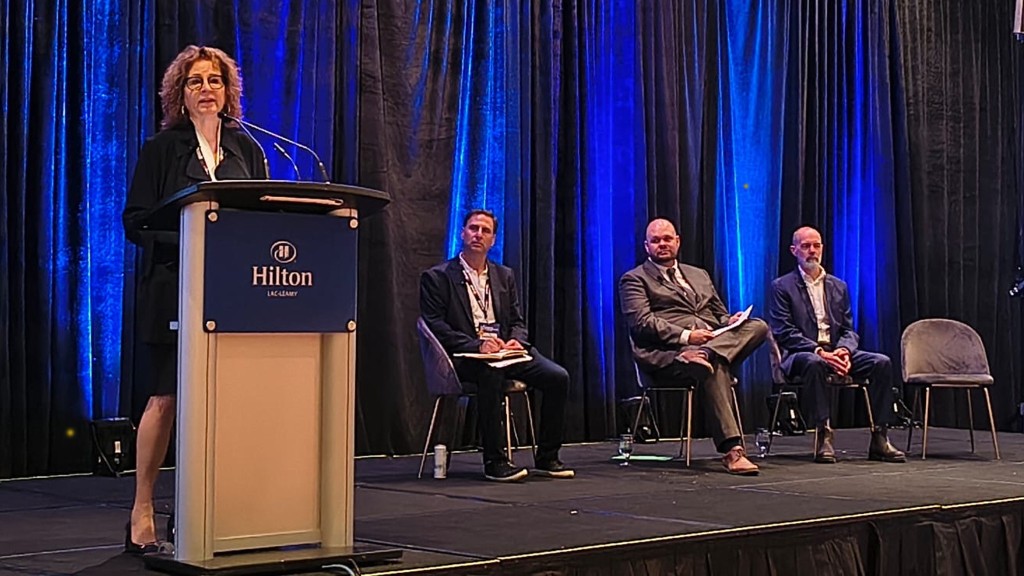
That reality was woven throughout a discussion at the 85th Annual Canadian Association of Recycling Industries (CARI) Convention in Gatineau, Quebec. Moderated by Jonathan Ross, vice-president of John Ross & Sons and chairman of CARI, the panel featured Recycled Materials Association (ReMA) president Robin Wiener and PAA director Stephen Yardy, with commentary from representatives of Environment and Climate Change Canada.
While the conversation touched on issues ranging from international trade and environmental regulation to metal theft and battery fires, the underlying message was consistent: recyclers need a seat at the table before policies are finalized.
Understanding government relations
For Yardy, successful advocacy starts with demonstrating how the recycling industry's priorities support many of the same objectives governments are trying to achieve, including secure supply chains, economic growth, public safety, and environmental stewardship.
At the most basic level, he explained, government relations involves helping organizations understand government and helping government understand organizations.
"Government makes decisions every single day that affect your operations," said Yardy. "They negotiate trade agreements, they create environmental regulations, they change immigration policies that might affect your labour force."
The challenge is that many of those decisions are made by people with little direct experience in the recycling sector.
"Government relations is most effective before decisions are made," said Yardy.
Why early engagement matters
Governments want strong economies, resilient supply chains, environmental protection, and safe communities. Effective advocacy helps policymakers understand how recyclers contribute to those same goals through job creation, resource recovery, manufacturing inputs, and environmental benefits.
The panel highlighted several examples where industry engagement helped shape policy outcomes.
One of the most significant involved Canada's approach to the Basel Convention's electronic waste amendment. During the discussion, Dany Drouin, director general with Environment and Climate Change Canada, confirmed that Canada will not implement the Basel Convention's electronic waste amendment, maintaining the current framework for cross-border trade in electronic materials with the United States.
The decision followed consultation with stakeholders and reflected concerns about maintaining access to integrated North American markets. Drouin said discussions with industry help policymakers identify where regulatory objectives and operational realities intersect, allowing governments to better understand the practical impacts of proposed changes.
Wiener pointed to similar efforts in the United States, where ReMA has spent considerable time advocating against proposed export controls on recycled commodities.
"We were successful pushing back the White House on an attempt to impose export controls on copper," she said.
The association has also been involved in discussions around aluminum export controls and ongoing efforts to preserve the benefits of the Canada-U.S.-Mexico Agreement (USMCA).
Building relationships with policymakers
While national associations play a critical role in advocacy, Yardy emphasized that some of the most effective government relations efforts begin much closer to home.
Inviting elected officials to recycling facilities, introducing them to employees, and demonstrating how operations contribute to local economies can be far more impactful than statistics alone.
"Showing the local facilities, local jobs, and putting a face on it ... that is some of the most effective government relations I've seen," he said.
Facility tours help policymakers understand the scale and complexity of modern recycling operations while creating relationships that can prove valuable when industry issues arise.
The discussion also highlighted the importance of engaging not only with elected officials but also with public servants.
As Yardy noted, ministers and elected representatives often rely on staff and departmental experts to develop policies and provide recommendations. Building relationships with those individuals can be just as important as meeting with political leaders themselves.
Why recyclers need to tell their story
Whether the issue is trade, environmental regulation, lithium-ion battery fires, or metal theft legislation, the panel's message remained consistent: policymakers make better decisions when they have better information.
"Canada's recycling industry has a really positive story to tell," said Yardy.
That story includes the industry's role in supporting manufacturing, creating jobs, strengthening supply chains, generating economic activity, and recovering valuable materials that would otherwise be lost.
The challenge is ensuring decision-makers hear that story before major policy decisions are made.
For recyclers, effective government relations means engaging policymakers early, building local relationships, participating through industry associations, and demonstrating the industry's economic and environmental value.
As governments take a greater interest in supply chains, critical materials, environmental performance, and public safety, advocacy is becoming less about reacting to policy and more about helping shape it from the beginning.
"The organizations that are successful are usually those that engage early," said Yardy. "They build those relations over time, and they become trusted sources of information."