
New smelter to bridge the U.S. primary aluminum gap
EGA’s $4 billion smelter bet could reshape America’s aluminum supply chain
Headquartered in the United Arab Emirates (UAE), Emirates Global Aluminium (EGA) is a well-established name in the primary aluminum industry. The company has recently begun expanding across Europe and North America through acquisitions and greenfield projects, as well as serving both local markets and markets across Asia.
Jake Skelton, chief executive officer at EGA America, noted that as global demand for aluminum grew and production capacity expanded in the UAE, the company evolved its product mix to meet changing customer needs.
Today, EGA is the world's largest premium aluminum producer, with roughly 80 percent of its production comprising value-added products, including billet, foundry alloys, slabs, and high-purity aluminum. Supporting this is a highly sophisticated global supply chain that enables it to reliably and efficiently deliver to customers worldwide.
Since the aluminum tariffs were implemented in April 2025, the U.S. has stopped importing material from several suppliers, but the UAE has emerged as the second-largest exporter of primary aluminum to the U.S. Commenting on this, Skelton said EGA's continued presence in the U.S. market reflects the long-standing commitment to American customers.
When tariffs were introduced, some competitors shifted their focus away from the U.S. market or attempted to pass through tariff costs before they were fully reflected in pricing. EGA has taken a different approach, maintaining supply and strengthening customer relationships. Local production through EGA Spectro Alloys, combined with the strategy of maintaining inventory to quickly respond to customer needs, allows the company to serve the market much like a local supplier.
However, the U.S. still depends on primary aluminum imports to meet domestic demand. It only has one domestic producer, Century Aluminum, which has an annual production capacity of close to 700,000 metric tonnes, while the domestic consumption is close to 4 million metric tonnes. In 2025, the U.S. imported around 2.9 million metric tonnes of primary aluminum, reflecting its dependence on external suppliers who are being impacted by the tariffs.
A $4 billion investment
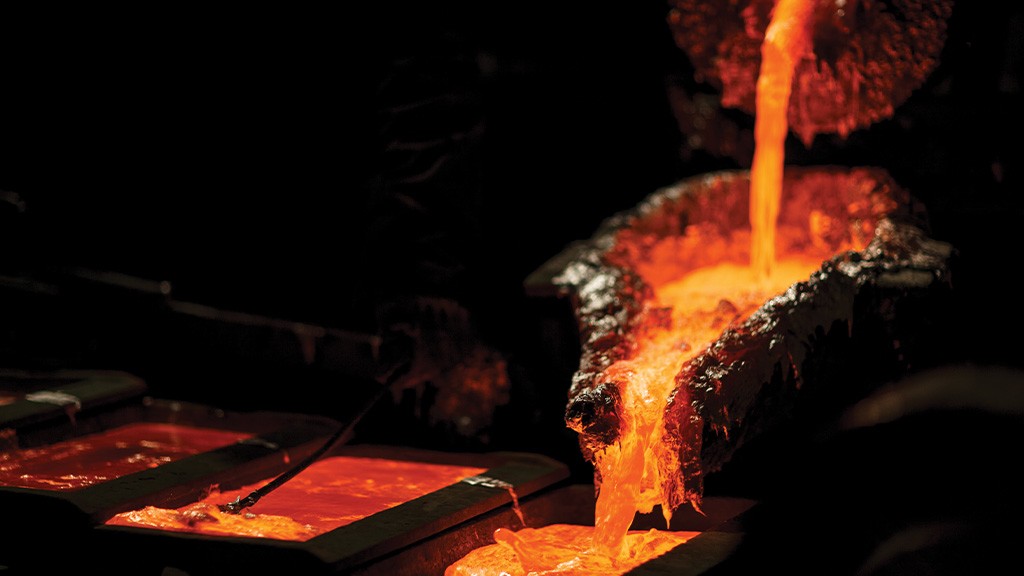
As part of the tariff negotiations between the U.S. and the UAE in May, EGA agreed to build a new primary aluminum smelter in the U.S., investing $4 billion. This greenfield smelter would double U.S. domestic primary aluminum capacity, adding around 750,000 metric tonnes per year.
Earlier this year, EGA partnered with Century Aluminum to build the smelter. The project now combines Century's market and supply chain leadership as the largest producer of U.S. aluminum with EGA's technological expertise, supporting America's push to reshore manufacturing.
At the end of this decade, EGA will be operating its first smelter in North America. The operational standards will be very different from those in West Asia. Skelton added that operating in different regions naturally involves complying with different regulatory frameworks and standards.
Moving toward a deficit
The global primary aluminum market appears to be drifting toward a deficit, making this U.S. primary aluminum smelter even more important. As regional players gradually prioritize their home markets, the West will need to step up production capacity and reduce reliance on imports if the supply chain is to remain as it is today.
Skelton indicated that EGA shares the view that the global primary aluminum market is tightening. In fact, this is one of the reasons the company is pursuing expansions worldwide. China has already capped its annual capacity to 45 million metric tonnes and is now moving production overseas to meet domestic demand. The U.S. having domestic capacity also makes it more resilient to global trade disruptions.
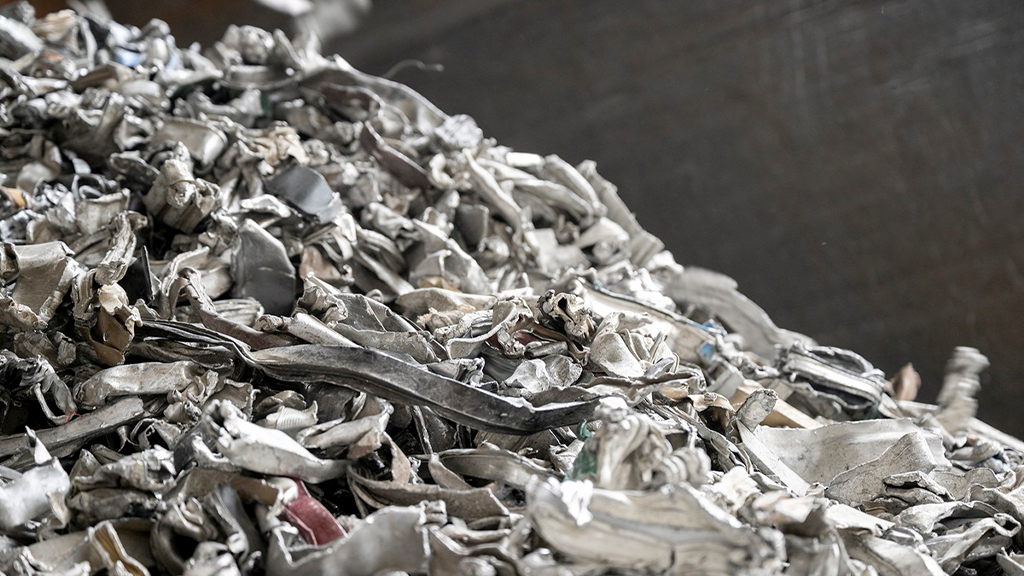
EGA has invested heavily in recycling capacity over the past few years. It began construction of its own recycling campus at the UAE's Al Taweelah smelter in November 2023 and aims to produce 170,000 metric tonnes of secondary aluminum each year. In March 2024, it acquired German aluminum recycler Leichtmetall, with an annual capacity of 30,000 metric tonnes. It also acquired an 80 percent share in Minnesota-based Spectro Alloys in August 2024, which is in the process of raising capacity to 460,000 metric tonnes each year.
The Spectro Alloys acquisition was its foot in the door into the U.S. market, and a year later it signed the primary aluminum smelter deal. In essence, EGA will soon have more than 600,000 metric tonnes of recycling capacity across its global operations. This is in addition to 2.4 million metric tonnes of primary aluminum capacity at Jebel Ali and Al Taweelah in the UAE.
Recycled aluminum production forecast
Speaking about the foray into recycling, Skelton said that forecasts show recycled aluminum production could grow by up to 50 percent by 2030.
"We intend to participate meaningfully in that growth," he said. "Over time, we expect recycled metal to represent a substantial share of our overall output. We have also expanded into recycling because we see it as an important opportunity to better serve our customers. Many customers are looking for partners who can help manage both their primary aluminum needs and their recycled aluminum. By adding recycling capacity, we can offer a more complete solution across the aluminum value chain."
Aluminum demand from various industries and segments remains robust. However, two sectors stand out — solar and artificial intelligence. Skelton expressed his views on the same: both industries require significant amounts of aluminum, particularly in the form of extrusions used in construction and infrastructure.
"This translates into strong demand for billet from aluminum producers and our customers," said Skelton. "We are already seeing increased demand linked to data centre construction driven by artificial intelligence. Solar demand has also been strong, although imports from China have moderated growth in some markets. Over the long term, however, we expect both sectors to remain important drivers of aluminum demand."
EGA continues to use a multi-pronged approach to expanding its footprint in the aluminum industry. This includes both expanding primary aluminum production, while also aggressively integrating aluminum recycling into its portfolio.
As many analysts around the world expect a deficit in the aluminum market toward the end of this decade, harnessing recycled aluminum as a close substitute to meet growing demand for the lightweight metal seems to be a strategy that players across the industry are increasingly seeing value in.
The company is also successfully transitioning from a regional manufacturer to a global entity, extending its presence across three continents that are expected to drive future aluminum demand growth. An increasing presence in the U.S. domestic market will also ensure the status of its products as American-made under Section 232 tariffs that target imported aluminum.
George Dcruze is a senior base metals analyst at Davis Index. You can reach him at [email protected].
This article originally appeared in the May/June 2026 issue of Recycling Product News.