
BIR issues statement on new sliding scale measurement for recycled steel
BIR claims that the sliding scale methodology is likely to create a greenwashing effect on carbon-intensive projects
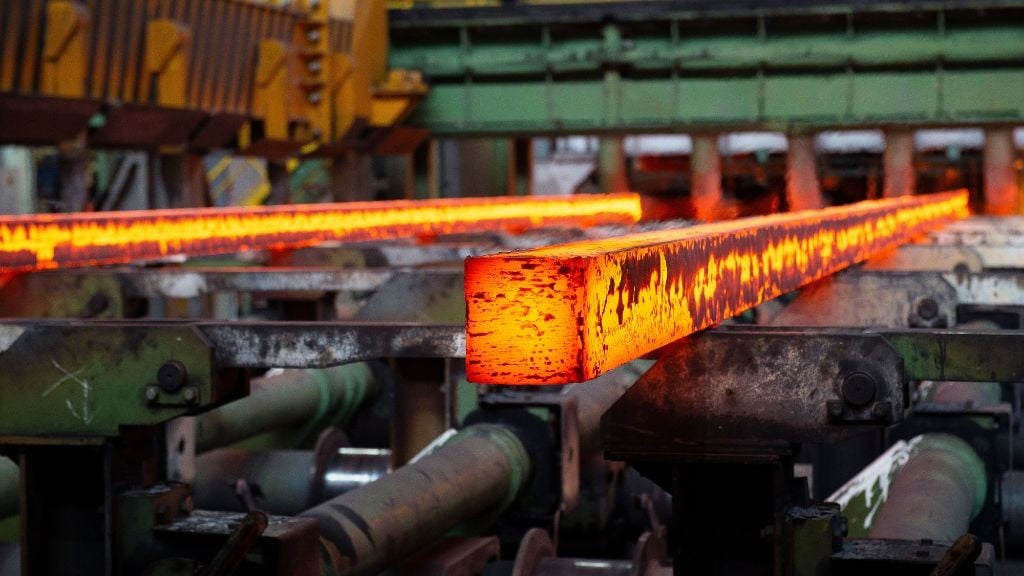
Steel production accounts for approximately 8 percent of the global energy sector emissions and 30 percent of industrial emissions. While there is no universal definition of "green steel", it is widely understood to refer to steel produced with low or near-zero carbon emissions based on carbon intensity measurements.
As the world federation supporting the interests of the recycling industry, BIR strongly supports steel climate standards that accurately measure carbon emissions. The group collectively warns that recent public communications claiming the "sliding scale" methodology incentivises the use of recycled steel are misleading and set a dual standard that greenwashes high-emission production processes. BIR, representing the recycling industry in 72 countries with over 30,000 companies, firmly rejects this claim.
What is the new "sliding scale" methodology?
Currently, the "sliding scale" methodology uses a dual-standard, scrap-adjusted approach. Installations that use less recycled steel as material input are likely to emit more CO2 than installations using a significantly higher ratio of recycled material, yet they can still be called "green steel". This system creates a perverse incentive structure — instead of better environmental performance, it effectively rewards more carbon-intensive steel production and penalizes those using more recycled materials.
This approach is not scientifically robust or environmentally credible, as it weakens the clear link between real emissions and sustainability claims. This puts basic principles of circularity and resource efficiency at risk. If adopted in regulations or markets, it could mislead policymakers, investors, and end-users, weakening trust in green steel classifications.
Therefore, any suggestion that the "sliding scale" methodology directly or indirectly incentivises steel recycling is inaccurate and misleading. On the contrary, allowing higher emission thresholds to be offset by adjustment factors dilutes the environmental benefits of the use of recycled content, rather than strengthening it.
What BIR suggests as an alternative to measuring green steel
The recycling industry is fully committed to decarbonising the steel sector. This includes transforming primary steel production, which is still important for global decarbonisation efforts, as steel production accounts for approximately 8 percent of global carbon emissions. A credible green steel label needs transparency, scientific integrity, and real comparability of emissions data. The "sliding scale" methodology accomplishes none of these objectives.
Green steel classifications must reflect actual, verifiable carbon intensity and not rely on distorting adjustments. They should recognise the unique characteristics of primary and secondary steelmaking routes to create a fair, predictable, and investment-grade framework.
A one-size-fits-all methodology that blurs these distinctions puts at risk decarbonisation objectives and the development of a genuinely circular steel economy.
We urge policymakers and industry stakeholders to recognise that a single, unified, process-agnostic standard will level the playing field for global decarbonisation efforts in the steel industry. Communications affecting policy and the market must be accurate, transparent, and reliable.
BIR remains available for constructive engagement and stands ready to contribute to the development of a scientifically sound, environmentally credible, and policy-aligned framework for green steel.