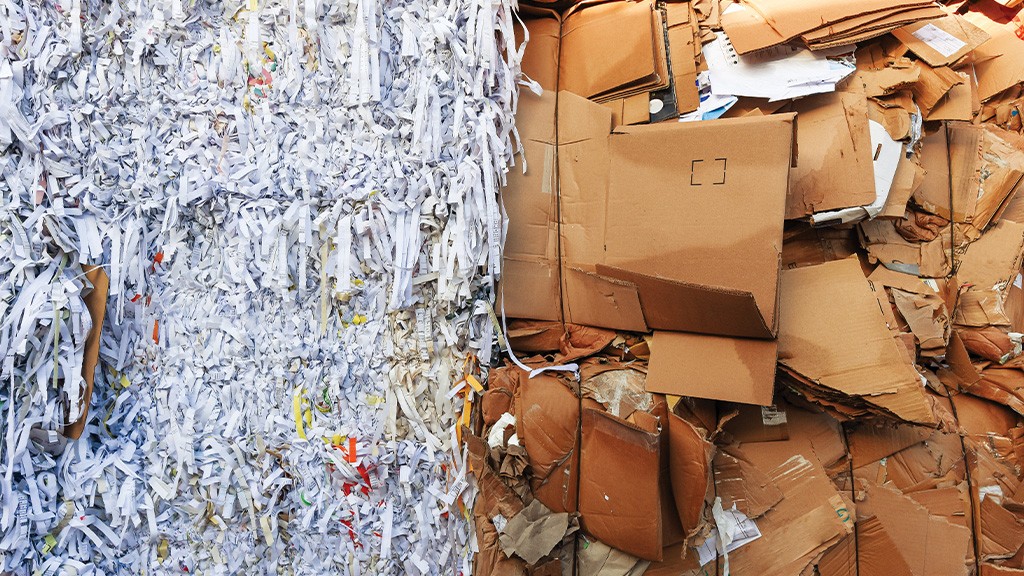

Why moisture matters in paper bales
Moisture introduces challenges that affect both the facility and the end product
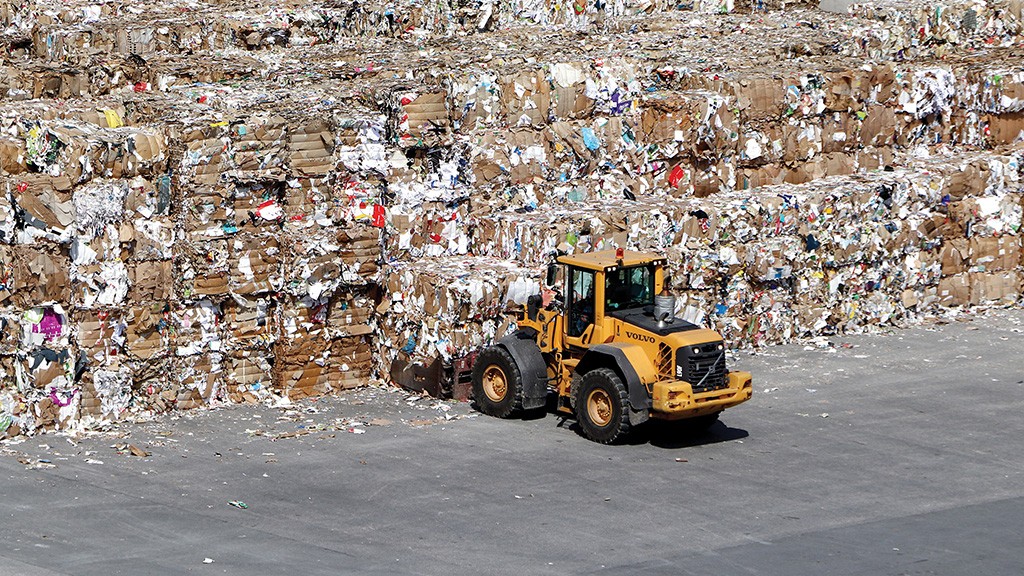
Paper and cardboard are some of the most easily recycled materials; yet if they get wet, they go straight to the landfill. Why is that?
Moisture is a critical, but sometimes overlooked, factor in paper recycling. Even small amounts of water in bales cause problems like increased handling costs, reduced fibre quality, and mold growth. Paper is hygroscopic, meaning it absorbs or releases moisture from the surrounding environment. This makes moisture management a constant concern for recycling facilities, especially considering how many different environments paper passes through during the recycling process.
In many cases, moisture arrives with the paper itself. Trucks and containers that are wet from precipitation or were previously loaded with wet material can transfer moisture to new loads, and paper collected from residential, commercial, or industrial sources may already be damp due to improper storage or exposure during collection. Even indoors, facilities without climate control or adequate airflow can cause paper to take on moisture gradually, creating hidden internal dampness.
As well, recycling facilities frequently bale different paper grades together: corrugated cardboard, newsprint, office paper, and mixed paper all have varying absorption properties, and when wet materials are baled with dry ones, moisture moves between layers, creating internal hotspots that can degrade fibre quality and promote mold growth. Even minor moisture imbalances can weaken fibre strength, affect brightness, and reduce overall yield at the mill.
Operational impacts
Moisture introduces challenges that affect both the facility and the end product. Wet or damp bales weigh more than dry ones, increasing the load on forklifts, conveyors, and trucks. Heavy bales can also lead to higher transportation fees, overloading risks, or penalties from shipping providers.
Additionally, bales with uneven moisture distribution may stick together or feed inconsistently, leading to jams and equipment damage. Misshapen bales are harder to stack or move efficiently, slowing operations and increasing labour demands.
Fibre degradation
Paper gets its strength from tightly bonded fibres. When moisture gets in, those bonds begin to break down, and if that happens too early in the recycling process, the pulp degrades before it ever gets the chance to be turned into something new.
Wet fibres tend to clump together, resulting in uneven, lower-quality pulp. Moisture also speeds up chemical and microbial activity that weakens the fibres further, reducing how much usable pulp recyclers actually get out of each bale.
Paper mills and buyers expect bales to be within specific moisture ranges — often between 8 and 12 percent — depending on the grade. Bales exceeding these levels may be rejected, forcing recyclers to reprocess, dry, or discard materials, leading to lost revenue and strained buyer relationships.
Contamination risks
Excess moisture increases the likelihood that contaminants will stick to paper fibres. Adhesives, inks, food residue, and dirt can bond with damp fibres, complicating screening, cleaning, and pulping. This adds labour, energy, and time to produce usable pulp.
Mold is a particular concern when it comes to paper recycling. It not only affects worker safety but can also cause bales to be rejected. Even minor moisture inconsistencies within a bale can reduce pulp yield, impact sheet formation, and compromise the quality of the final product.
Moisture management
Traditionally, testing for moisture is done by oven-drying samples: weighing them, drying them in an oven, and re-weighing to determine moisture loss. This means destroying part of the bale and waiting for results, which can be slow and disruptive.
Technology has made moisture monitoring a lot more manageable — inline sensors built into conveyors or bale lines can flag problem bales on the spot, giving operators the chance to pull them before they cause issues further down the line.
Handheld moisture meters have also become a practical tool for facilities that need quick, on-the-spot readings without breaking open bales. Operators press the device against the bale and get an immediate moisture reading, making it easy to catch problem bales early and avoid the complaints and costs that come with moisture going unnoticed.
A valuable commodity
Moisture management may be a behind-the-scenes task, but it is a foundational part of any successful paper recycling operation. Facilities that prioritize moisture control will see improvements in safety, efficiency, and profitability, ensuring that paper bales remain a valuable commodity rather than a costly liability.
Concerns like fibre degradation, contamination, and compliance with mill specifications make proactive moisture management essential. By implementing strategies such as proper storage, careful transport, moisture monitoring, and staff training, facilities can minimize moisture-related problems and maintain both operational efficiency and product quality.
Best practices to minimize moisture
Effectively managing moisture requires a combination of operational strategies, facility design considerations, and staff awareness.
1. Proper storage and staging: Bales should be kept off the ground using pallets or raised platforms to prevent absorption from floors. They should be spaced to allow air circulation and stored away from exterior walls, which can create condensation.
2. Collection and transport: Trucks and containers should be dry before loading. Tarps or enclosed containers can protect bales from precipitation. Separating wetter paper grades from drier ones prevents moisture transfer within bales.
3. Moisture monitoring: Regular checks using handheld moisture meters or inline sensors help identify high-moisture bales before they enter processing. Monitoring different points in the stack ensures consistent moisture levels across bales.
4. Controlled drying and conditioning: For facilities that store paper long-term or receive wet bales, conditioning rooms or air circulation systems can maintain proper moisture levels. Dehumidifiers and fans promote airflow, reducing humidity and preventing mold formation.
5. Staff training: Operators should understand how moisture affects handling, equipment, and fibre quality. Training should cover stacking, storage, and handling procedures that minimize exposure to water. Staff should be able to recognize signs of damp bales, such as musty odors or warped edges.
6. Source management: Encourage suppliers and collection partners to store paper properly prior to pickup. Covered storage, dry vehicles, and careful sorting at the source help reduce moisture before bales reach the recycling facility.
This article originally appeared in the March/April 2026 issue of Recycling Product News.