
Inside Riverside Metals' mill designed for pre-shredding performance
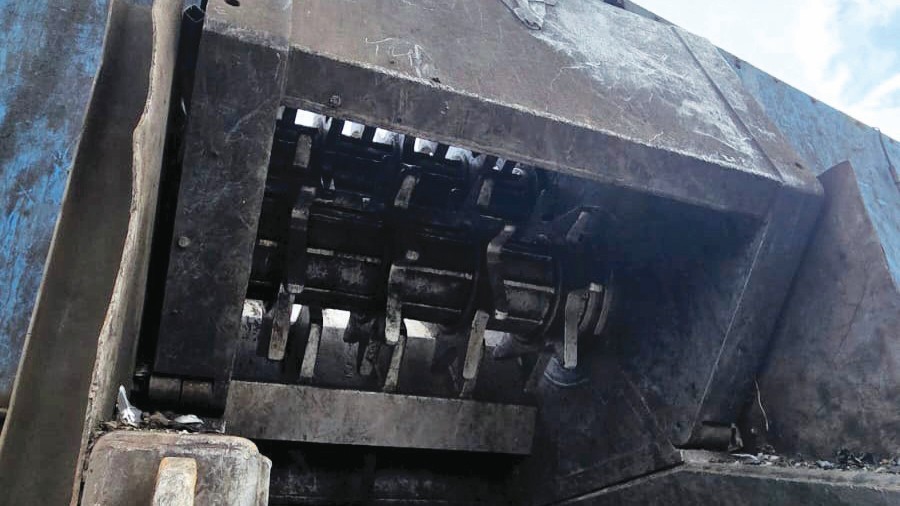
The Taurus Bravo B12 smooths out feedstock entering the shredder, eliminating spikes and dips in motor load
When Riverside Metals opened its Harvey, Louisiana, shredding facility in 2019, the company made a foundational decision that continues to shape its operation today: its shredder would never operate without a pre-shredder.
For Derek Stewart, general manager of the family-owned recycling company, that choice was less about adding equipment and more about building an operation that could safely and efficiently handle the realities of modern scrap flows. "We would not have run the shredder without a pre-shredder," Stewart says. "The pre-shredder just made way too much sense for production of the mill, wear and tear on the mill, but also the safety side of it."
Built for mixed feedstock
Riverside Metals operates two locations in Louisiana. Its original yard, in the New Orleans area, focuses on marine scrap and special projects, drawing on the region's historic ties to inland waterways, tugboats and barges, and oil field infrastructure. The Harvey site, located about 15 minutes away, serves a broader mix of commercial, industrial, retail, and demolition materials and is home to the company's shredding line.
The Harvey yard also buys significant volumes from other scrap dealers, including baled material and end-of-life vehicles. That diversity of inbound material helped drive Riverside's approach to shredding from the outset.
"I have to be able to buy the same type of material that [larger competitors] do," Stewart says. "I can't reject anything."
Choosing the right pre-shredder
Riverside selected a Taurus Bravo B12 pre-shredder sized to match its material mix and production goals. Stewart says the machine's robust construction and ability to handle baled material and vehicles were key considerations. The unit runs seven to eight hours, four to six days per week, depending on volume and mill commitments.
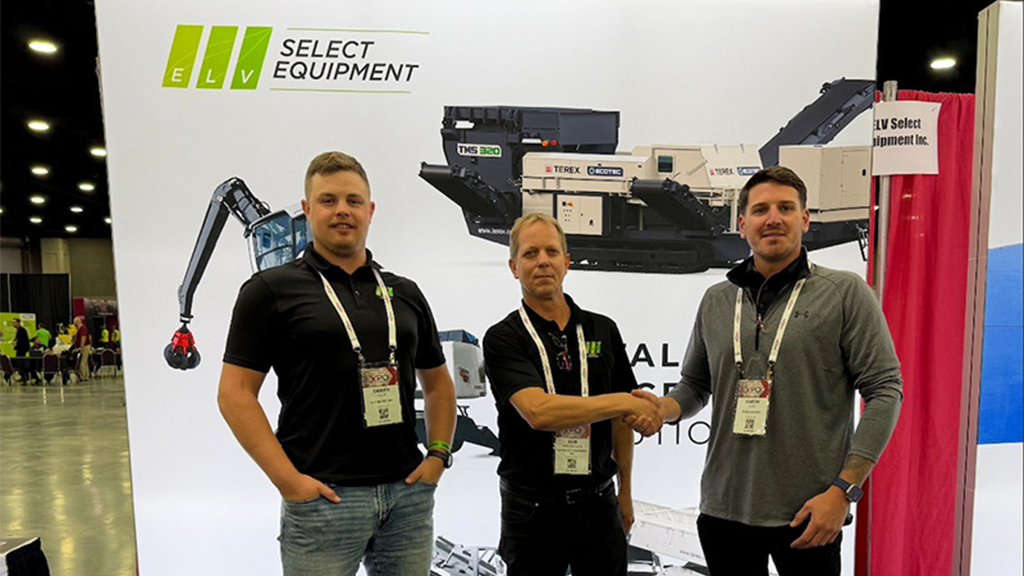
The system was supplied by ELV Select Equipment, a North American distributor whose owner, Bob Vanleeuwen, once ran scrapyards. Stewart says that Vanleeuwen's background made the selection and commissioning process more straightforward. "We were speaking the same language as far as material, what to do, what not to do."
Why pre-shredding mattered from day one
Rather than retrofitting for pre-processing later, Riverside designed its system as a combined shredder and pre-shredder installation. Stewart says his experience selling material to shredders and conversations with other operators made the limitations of running without pre-shredding clear.
Bales, bundles, and whole cars can all create challenges for traditional shredders, particularly smaller units. "Those condensed bales are essentially bricks," explains Stewart. "If you put that whole brick right in the shredder, those hammers really have to chip away at it."
Pre-shredding addresses that problem upstream by breaking material down into a more consistent mix before it ever reaches the main shredder.
"It makes a nice uniform [feed]," says Stewart. "Now those hammers aren't chipping away a little bit at a time. They're able to just roll through it."
Safety, production, and machine longevity
Stewart identifies three primary benefits of pre-shredding: safety, production stability, and reduced wear on the shredder.
From a safety standpoint, the slow-speed, high-torque design of a pre-shredder reduces the risk of fires or explosions caused by sealed tanks or residual fuel. "If a propane tank or a gas tank got through in a shredder, that hammer is spinning so fast, it's going to make a spark," says Stewart. "With the pre-shredder, it's turning nice and slow. It's ripping it as opposed to beating it."
Operationally, pre-shredding smooths out the feedstock entering the shredder, eliminating spikes and dips in motor load. Stewart compares the process to preparing wood for a chipper. "This pre-shredder takes logs and turns them into branches and twigs," he says. "Now my main mill can handle it."
The result is more consistent throughput, roughly 30 to 45 tons per hour depending on material, and less stress on the shredder itself. While Riverside has never run its shredder without pre-shredding, Stewart says the maintenance benefits are clear. "With the pre-shredder, you're going to see major improvement in the wear and tear of the machine."
A simpler workflow for operators
Pre-shredding has also simplified Riverside's day-to-day operations. Without a pre-shredder, operators must carefully sequence materials like loose scrap, vehicles, and heavier steel to keep the shredder running efficiently. With pre-shredding, everything is processed into a uniform material stream.
Riverside's configuration also includes an additional inspection point. Material exiting the pre-shredder is staged on a concrete pad, allowing operators to remove problematic items before they reach the shredder, adding another layer of protection for both equipment and staff.
A broader shift in shredding strategy
Stewart expects pre-shredding to become increasingly common, particularly for small- to mid-size shredding operations. "The pre-shredder allows you to almost bump up as far as production," says Stewart, citing the cost savings per ton. "I see smaller to medium shredders becoming the new norm as opposed to the big mega shredders."
For Riverside Metals, building its shredding operation around pre-shredding from the beginning has resulted in flexibility, safety, and efficiency, reinforcing the company's position in a demanding regional market.
This article originally appeared in the January/February 2026 issue of Recycling Product News.
Company info

8263 Wellington Rd. 18
Fergus, ON
CA, N1M 2W5
Website:
elvselect.com
Phone number:
866-733-2358