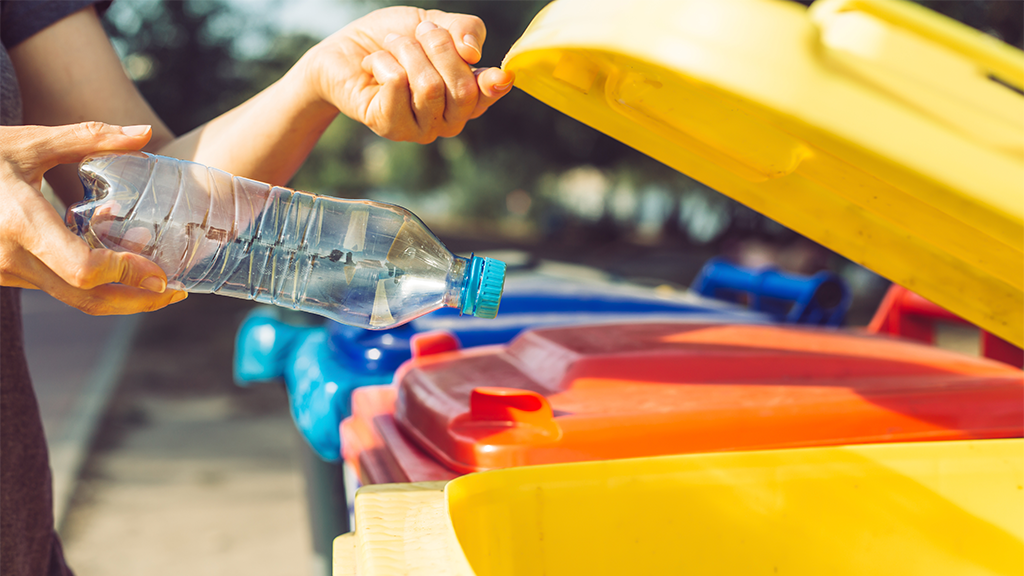

PPEC examines industry trends affecting packaging recycling in 2026
Environmental regulations, EPR laws, and trade policies result in large shifts across the broader packaging and recycling landscape
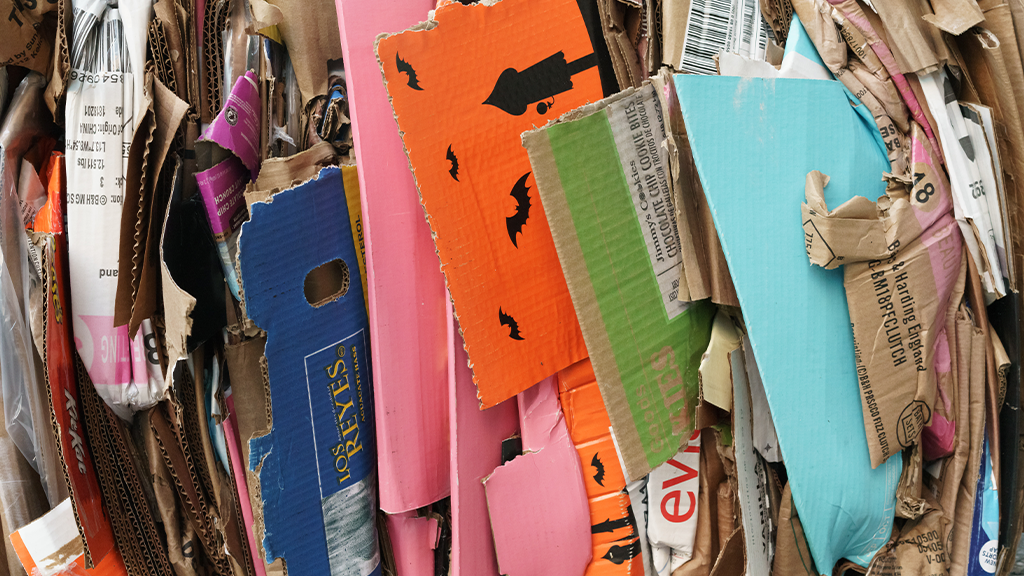
From the evolution of Extended Producer Responsibility (EPR) for packaging, to plastics policy in flux, the pending CUSMA review, PFAS, and environmental claims — these are some of the environmental issues the Paper and Paperboard Packaging Environmental Council (PPEC) will be watching in the year ahead.
Extended Producer Responsibility
Extended Producer Responsibility — a policy approach where producers are financially and operationally responsible for managing the recycling of their packaging — continues to evolve across Canada, while new EPR laws are being introduced across the United States. Together, these developments are increasing costs and complexity across the packaging value chain.
In Canada, the most recent shift is in Ontario, where the Blue Box program transitioned from a municipally operated system with partial producer funding to a full producer responsibility model. As of January 1, 2026, obligated producers are 100 percent financially and operationally responsible for residential packaging and paper recycling.
EPR and recycling policies have always been important to PPEC and its members because the paper packaging industry relies on recycled content as its primary feedstock. Using and reusing recycled fibres is not just an input decision, it is a valuable resource that keeps materials in use and supports Canada's recycling system. While that remains true, what has changed is the scale and impact of these policies. EPR is no longer just a cost or compliance consideration; it is reshaping packaging value chains and recycling systems across multiple jurisdictions.
Looking ahead, EPR can be expected to remain a visible and widely discussed issue in 2026. As programs transition and expand, challenges, and learning curves are inevitable in a complex recycling system with multiple stakeholders and overlapping regulatory requirements. EPR is not a simple policy to explain or implement. As a result, media coverage and stakeholder communications will not always capture its full complexity, even as EPR reshapes recycling systems and influences packaging decisions across North America.
Plastics
Canada's plastics policy framework remains in flux. While the Single-Use Plastics Prohibition Regulations remain in force, the legal foundation underpinning the federal approach continues to be challenged. The Federal Court of Appeal has not yet issued its decision in Responsible Plastic Use Coalition v. Canada, a case that raises questions about the federal government's designation of "plastic manufactured items" as toxic under the Canadian Environmental Protection Act (CEPA).
Although the ban remains in effect pending the Appeal, this ongoing legal uncertainty can make it harder for businesses to make decisions about packaging design and material choices.
Globally, negotiations toward a UN Global Plastics Treaty will continue in 2026, advancing efforts toward achieving a legally binding international agreement to address plastic pollution.
Canada, as a founding member of the High Ambition Coalition to End Plastic Pollution, reiterated its commitment to a global agreement when the G7 Environment Ministers met last fall and "reaffirmed their constructive engagement towards an international legally binding instrument on plastic pollution."
These global negotiations have the potential to influence domestic policy approaches, recycling systems, and packaging markets.
Canada-United States-Mexico Agreement review
While trade policy is not environmental policy, it can have potential impacts on recycling systems and packaging decisions. As PPEC previously noted in its blog, Exploring the Environmental Implications of Potential Tariffs, trade measures targeting specific materials or jurisdictions can influence supply chains, sustainability planning, and environmental outcomes in ways that are not always immediately apparent.
The Canada-United States-Mexico Agreement (CUSMA) is scheduled for its first six-year joint review on July 1, 2026. While the review is not expected to result in direct changes to recycling regulations, changes could potentially affect recycling systems, packaging decisions, and sustainability planning.
Per- and polyfluoroalkyl substances
Per- and polyfluoroalkyl substances (PFAS) — a class of chemicals used across various industries, found in products such as firefighting foams, textiles, cosmetics, and some types of food-contact packaging - remain an evolving issue, with regulatory activity accelerating.
In Canada, the federal government is advancing its PFAS approach under the Canadian Environmental Protection Act (CEPA). This framework includes a proposed class-based approach that would add PFAS, excluding fluoropolymers, to the List of Toxic Substances, enabling future regulatory controls.
The first phase of this framework has begun with the Prohibition of Certain Toxic Substances Regulations, 2025, published on December 31, 2025, and coming into force on June 30, 2026. While this initial phase does not focus on packaging, Phase 2 is expected to target food packaging materials.
Key issues for the paper packaging industry include the need to distinguish between intentionally added PFAS and unintentional, or legacy, PFAS, and how recycled content may be affected. As regulatory approaches continue to develop in Canada and globally, understanding how PFAS move through supply chains and recycling systems, and how they can be managed and mitigated, remains an evolving area of research. While there is still much to learn, one thing is clear: addressing PFAS will require coordinated action, as it is not an issue any single sector can solve in isolation.
Environmental claims
PPEC continues to monitor developments related to making environmental claims in Canada, including Budget 2025's proposal to amend certain greenwashing provisions under the federal Competition Act. Proposed changes include removing the requirement that environmental claims be substantiated using internationally recognized methodologies.
This regulation comes on the heels of a recent leadership change at the Competition Bureau, as Commissioner Matthew Boswell ended his term early. Under his leadership, the Competition Act was amended to strengthen provisions aimed at addressing greenwashing, which is the act of making misleading or false environmental claims.
Taken together, these developments introduce uncertainty about how environmental claims will be interpreted and enforced going forward. As this evolves, businesses should be mindful of a shifting environmental claims legal and regulatory landscape in Canada and review company and product sustainability disclosures to assess risk and ensure appropriate substantiation.
PPEC's bottom line
These issues reflect a common theme: environmental policy affecting packaging and recycling is becoming more complex and the impacts are adding up. In 2026, the industry will be dealing with several policies at the same time, many of which are still evolving.
This is less about any one regulation and more about their combined effect. EPR is becoming more expensive and more visible, PFAS presents new challenges with many unanswered questions, and other policies continue to shift. The result is a policy environment where expectations are increasing, and where decisions made to address one requirement can have effects elsewhere, both within organizations and across the broader packaging and recycling landscape.