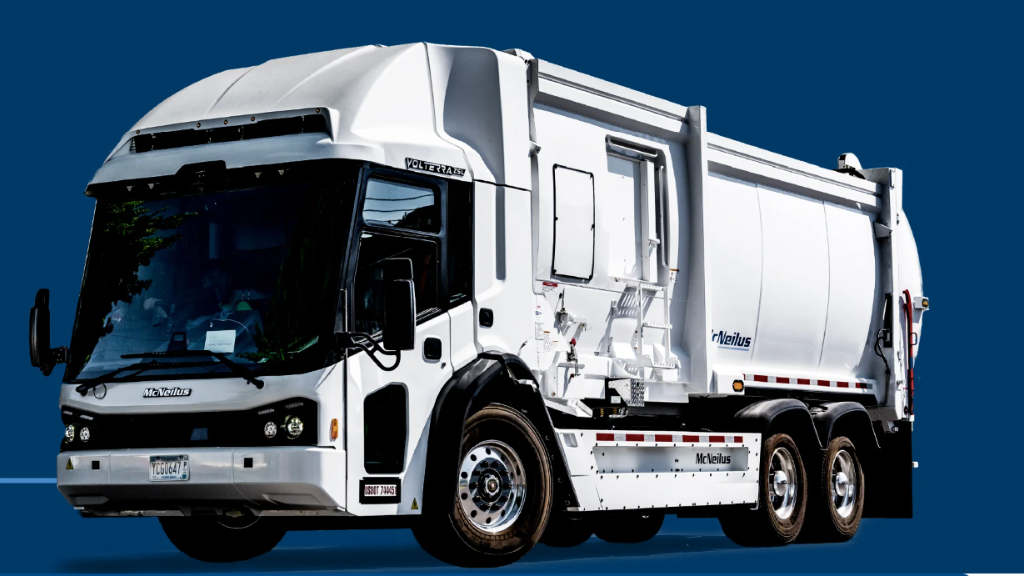

Robotic collection and AI-powered contamination detection spotlighted at CES 2026
Oshkosh’s AI-enabled systems are designed to transform recycling at the point of collection, helping keep recyclable materials out of landfill
At CES 2026, Oshkosh Corporation, an innovator of purpose-built vehicles, equipment, and services, showcased advanced technologies that empower those who do tough work. Shaping the future of recycling streams and systems, these solutions bring together autonomy, AI, connectivity, and electrification technologies.
Featured solutions
AI-enabled systems from Oshkosh are designed to transform recycling at the point of collection, helping keep recyclable materials out of landfills. Autonomy, robotics, and connectivity transform how work is done by creating an intelligent ecosystem that connects people, equipment, tools, and materials.
Oshkosh is moving quickly to bring its vision of the neighbourhood of the future to life. Many of the technologies it debuted at CES last year are already in production, especially those that will transform communities. Oshkosh has continued to expand on its advancements in refuse collection and roadside safety.
This includes:
AI-Powered contamination detection for refuse vehicles: A significant portion of materials placed in recycling bins are contaminated, meaning they ultimately end up in landfills rather than being recycled. When contamination occurs, otherwise recyclable materials are diverted from the recycling stream, undermining sustainability efforts and increasing landfill waste.
At CES 2026, Oshkosh showed contamination detection for refuse applications in North America. The AI-powered contamination detection technology is designed to transform recycling at the point of collection. On the outside the refuse and recycling trucks look familiar. But inside, an advanced camera is at work, powered by artificial intelligence and on-the-edge processing. The system will use an advanced camera to scan materials as they are collected and AI-models to detect and classify contaminants, such as plastic bags, textiles or other non-recyclable items, in real-time. The system can map contamination to the exact pickup location, providing actionable feedback to municipalities, haulers and, ultimately, residents. This information can be used to help educate recyclers and communities, driving behavioral change and enabling material to be diverted from landfills.
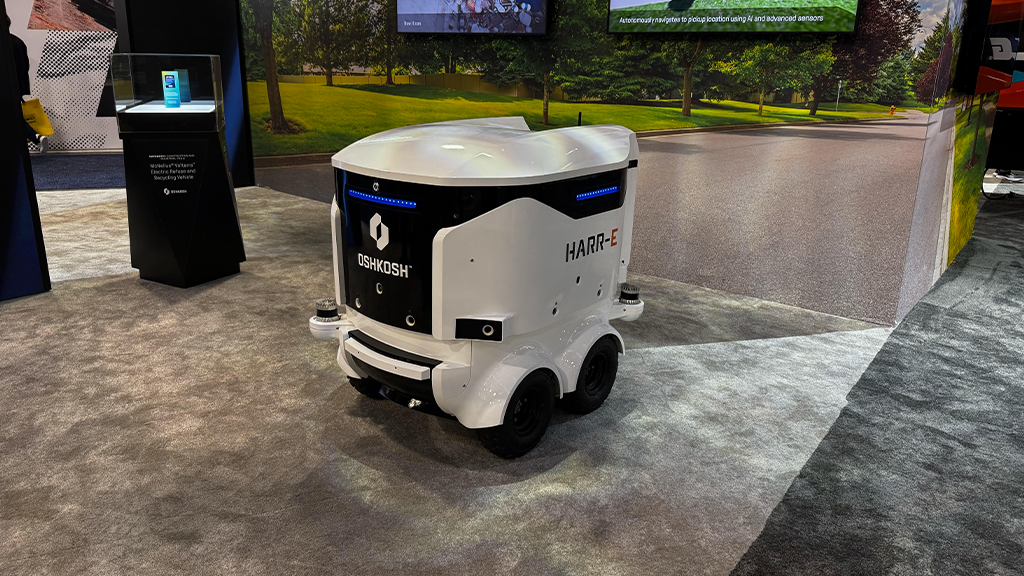
HARR-E (Hailable Autonomous Refuse Robot, Electric): Oshkosh introduced HARR-E, its first autonomous, electric refuse robot designed specifically for on-demand collection, at CES in 2025. This innovative robot enables residents to request a pickup using a smartphone app or a virtual at-home assistant. Then, HARR-E makes its way to the designated pickup point.
This year, HARR-E technology has evolved. It now features a new, two-piece design that makes it easy to lift and transfer waste into a central dumpster or collection point. It measures the volume and weight of waste at each pickup, notifying waste companies when a dumpster or central container is approaching capacity, and uses AI-optimized routes to serve multiple requests efficiently. It is ideal for planned communities, campuses and corporate parks, event venues and stadiums, and even indoor environments like malls and senior living facilities.