
BIR partners with UN to expand e-waste recovery
BIR aims to help UNITAR broaden the understanding of how secondary raw materials can be recovered from electronic products
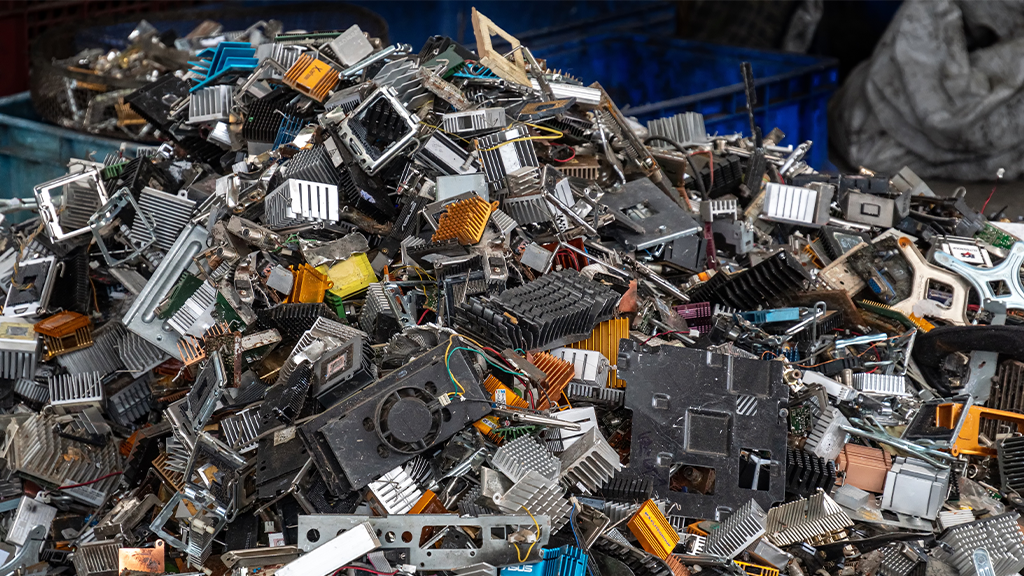
The Bureau of International Recycling is joining forces with the United Nations Institute for Training and Research (UNITAR) to develop the next issue of Global E-Waste Monitor — "the textbook for end-of-life electronics policy". BIR says the partnership will bring global visibility to the true impact of electronics recycling.
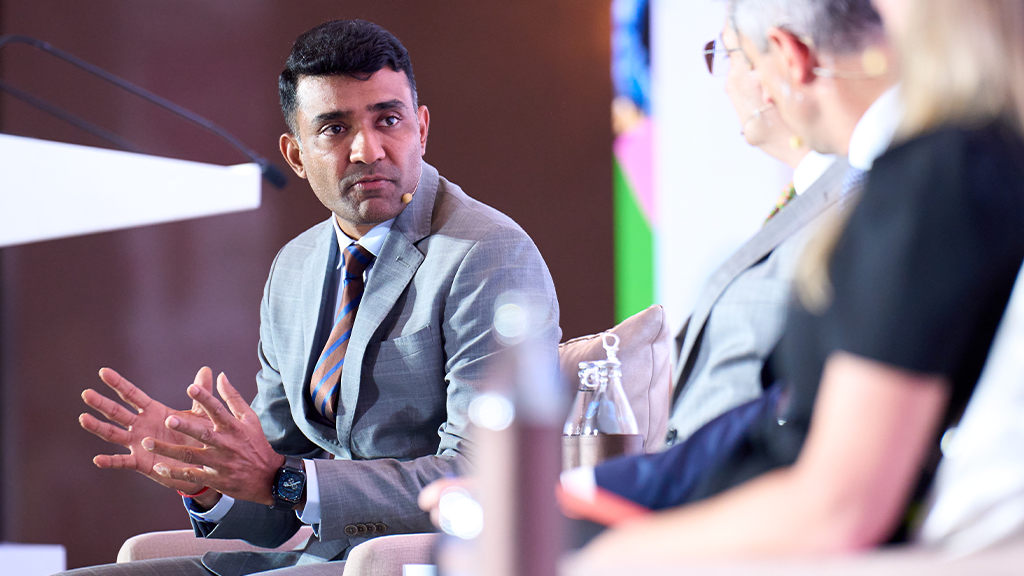
The collaboration was announced during the session of the Electrics, Electronics, and EV Batteries Committee at the BIR World Recycling Convention in Bangkok, Thailand on October 27. Dr Kees Baldé, senior scientific specialist with UNITAR, said BIR would help broaden and deepen UNITAR's data and understanding of how secondary raw materials can be recovered from electrical and electronic products.
Baldé was congratulated on stage by BIR President Susie Burrage OBE and Director General Arnaud Brunet. Committee Chairwoman Josephita Harry (Pan American Zinc, U.S.) spoke of the organisation's pride in the partnership on the Global E-Waste Monitor 2027 as it forged a new chapter of collaboration.
"We know what recycling delivers: recycled materials, critical raw materials, economic value, job creation, environmental protection, and innovation in motion," said Harry. "But it's time the world knows this — our work matters, our data matters, our impact matters. When our impact is counted, our industry is impossible to overlook.
"Together, we turn experience into evidence and evidence into action. Electronics recycling is not the end of life. It is the beginning of value."
Dr Baldé set out how the partnership would cooperate on data gathering, mapping recycling capacities, running a questionnaire of BIR members, and extrapolating the data to a global level — until now, most of UNITAR's research has been in Europe.
BIR would benefit by contributing to a chapter of the Monitor, joining the media campaign for global visibility and adding its weight to calls for more compliant recycling of e-waste.
Good data is key
The announcement came in the middle of Dr Baldé's presentation on the Monitor in which he emphasised the importance of good data. "It's always crucial because with bad data we can only have bad information. And with bad information we will have no policies or bad policies."
He set out some of the key findings from the 2024 Monitor, which he called "not a very good story". E-waste generated globally in 2022 totalled 62 billion kg — 7.8kg per person. Only 22.3 percent of e-waste had been documented as being collected and recycled in an environmentally sound manner. UNITAR's projections for e-waste generation is suspected to reach 82 billion kg by 2030. While recycling totals have grown, they have not matched the overall growth. Between 2010 and 2022, the amount of e-waste generated per year nearly doubled, outpacing the documented formal collection and recycling rate by a factor of almost five.
Later, the session heard how confusion and uncertainty had followed amendments in January to the Basel Convention on E-Waste. They were affecting the trans-boundary flow of recycled non-ferrous metals and BIR was striving for resolution of the problem. Trade and Environment Policy Officer Federico Zanotti said the amendments placed all end-of-life electronics — whether hazardous or not — under the Prior Informed Consent (PIC) procedure. Previously exempt products, or green-listed materials under classification B1110, now come under a new non-hazardous code Y49. This includes whole equipment such as washing machines, components and, crucially, all fractions from shredded equipment or components.
"This new code looks only at where the material comes from, not at what it actually is," said Zanotti. "This is creating a lot of confusion, both for customs authorities and recyclers, with significant impact." He said hundreds of containers belonging to BIR members had been stopped by customs authorities at many ports claiming the material has been mis-declared.
Misinterpretation, lack of clarity
"We have raised the issue at the UN Basel Convention level, and what has clearly emerged is that the amendments are going well beyond their intended scope — which certainly was not to control the trade in non-ferrous recycled metals."
The officer said the reason was a lack of clarity and misinterpretation around definitions in the new amendments and BIR was talking to government ministries to clarify the regulatory changes. It was also engaging with the United Nations and Organization for Economic Cooperation and Development to build alliances. The UN has established a working group to develop a guidance document and Zanotti said BIR was actively participating in this process and had created a dedicated internal working group.
Dylan Roman, founder and CEO of Niu Niu Resources (MEX), a specialist collector and recycler, stated in his presentation that PIC offered competitive advantage because it represented legal, traceable and responsible material flows. PIC should be embraced, Roman noted, because of the standards it sets. He acknowledged the challenge was to make it visible, digital and verifiable but without more paperwork.
EE&EVB Committee member Yousef Al Sharif, Sharif Metals Group (UAE) spoke about market dynamics and trade disruptions in the Middle East and South Asia. He said the closure of Red Sea routes, container shortages, and insurance charges were adding up to U.S. $110 per tonne to the cost of exporting secondary metals.
For those exporting from the UAE, there were additional duty fees ranging from U.S. $109 per tonne for recovered ferrous and copper and U.S. $82 per tonne for electronic materials.
"Policy now moves markets faster than price," he told the session. "The recyclers who master compliance, transparency and quality will lead the next decade of global metal trade."