
Letter from the Editor: Recycling runs on technology
Technology is giving MRFs the tools they need to enhance safety, boost recovery rates, and empower the workers who keep operations running smoothly
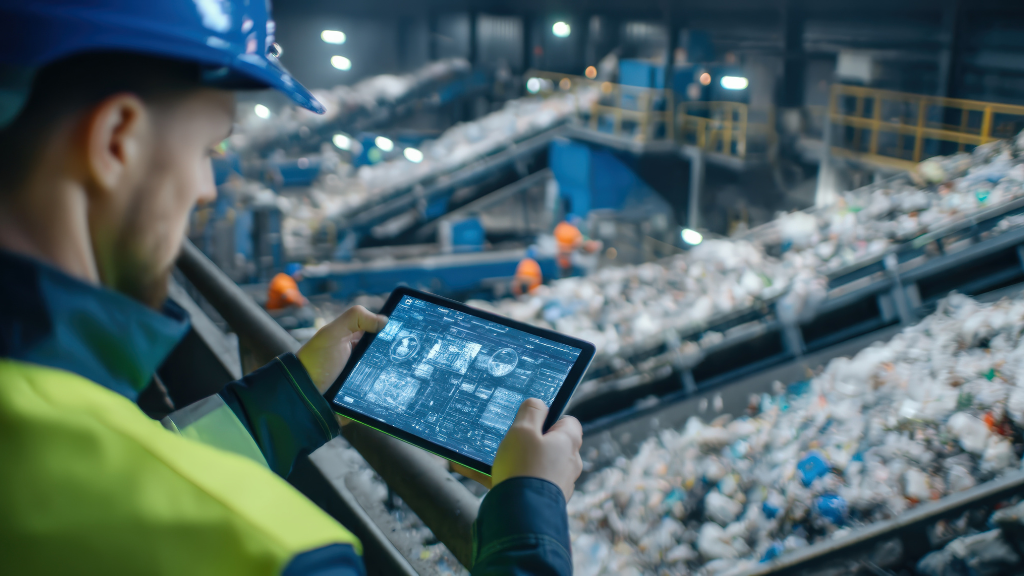
Recycling facilities are dealing with a lot right now. MRFs are juggling increasingly complex waste streams while still being asked to deliver cleaner material. Scrap yards are facing the constant risk of lithium-ion batteries showing up where they shouldn't. And processors across the board are expected to meet market demand with fewer people on the floor.
The challenges keep coming, and the technology to solve them has to move just as fast. From the way material recovery facilities are designed, to how commodities are traded, to how we keep fires at bay, technology is now at the centre of almost every conversation in the industry. Across the board, technology is no longer seen as nice to have; it's a necessity for survival, growth, and competitiveness.
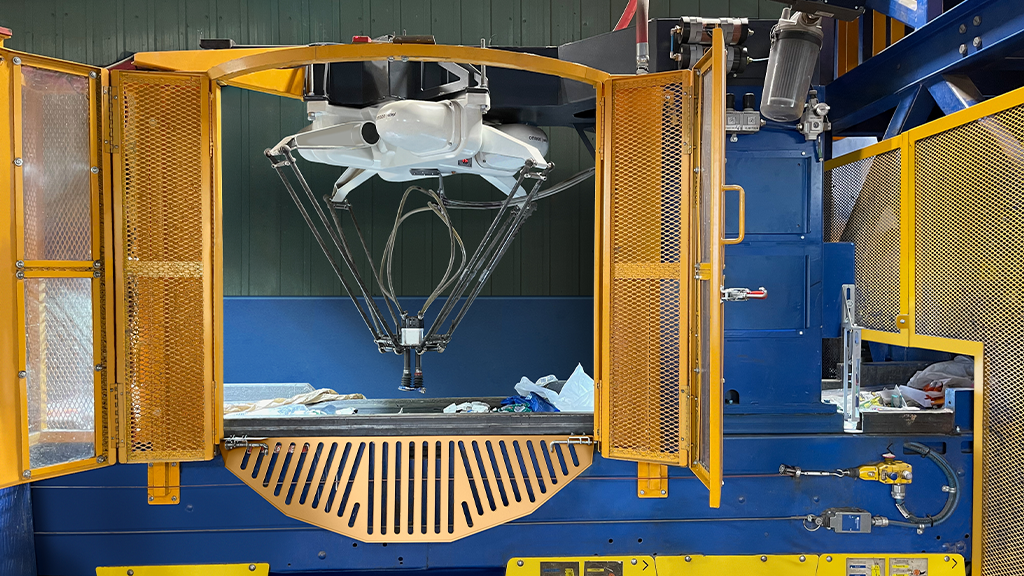
MRFs, for example, are leaning on automation and AI to boost recovery and cut contamination. Robots and smart vision systems spot materials with precision that even the best human sorters can't match, while real-time analytics keep operations running smoothly.
Technology is also stepping up on the safety front, with advanced fire detection and suppression systems addressing the growing risk of lithium-ion battery fires before they escalate into disasters. And beyond the plant floor, trading software is streamlining how material moves through the market, giving buyers and sellers faster, smarter, and more transparent ways to connect.
At the end of the day, technology isn't about replacing people — it's about supporting them. Technology enables human ingenuity to focus on the areas where it matters most. The future of recycling will always be built on people, but the right tools help their efforts reach further.
Technology never stands still. What's cutting-edge today will be standard tomorrow, and new challenges — like extended producer responsibility and circular economy demands — are already shaping the next wave of change. Recycling Product News will continue to follow these developments closely, spotlighting how recyclers adapt, lead, and thrive through innovation.