
Environmental impairment insurance helps recyclers manage pollution risks
How recycling facilities can reduce environmental contamination, limit cleanup costs, and prepare for pollution-related emergencies
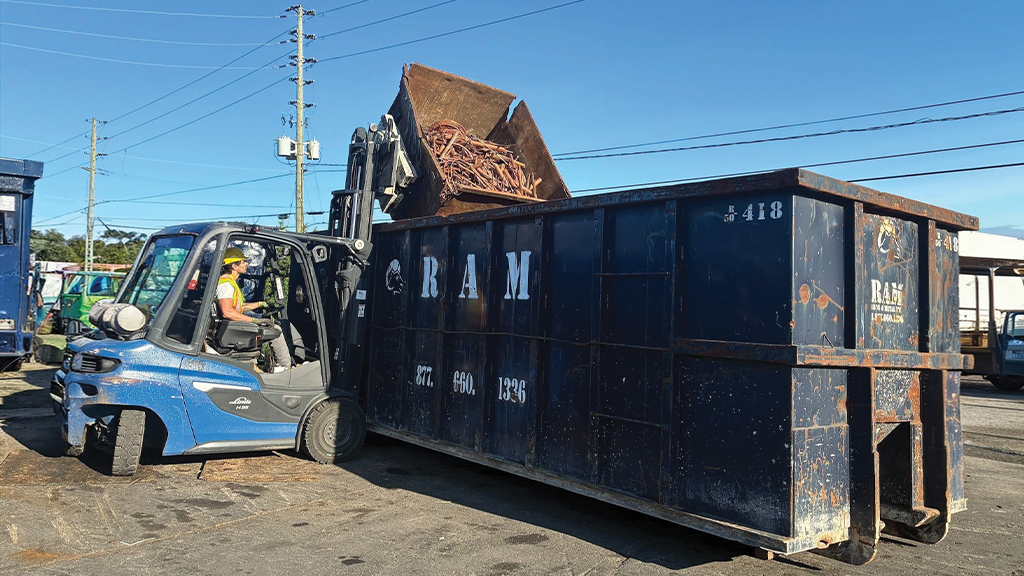
The materials that recycling facilities receive, store, and process can expose operators to a wide range of environmental risks. From leaking fluids and contaminated runoff to hazardous materials hidden in incoming loads, the potential for pollution is part of everyday operations.
While many of these risks can be managed, even a relatively minor incident can create a much larger problem if contamination isn't contained.
Ryan Burns, Practice Leader with Cowan Insurance Group, says the financial consequences can be significant. Cleanup costs, regulatory requirements, and potential liability for damage to neighbouring properties or waterways can quickly add up, and pollution-related losses may not be covered under a facility's standard insurance policies.
One of the greatest concerns is what happens when those contaminants migrate beyond the yard.
How contamination spreads beyond recycling facilities
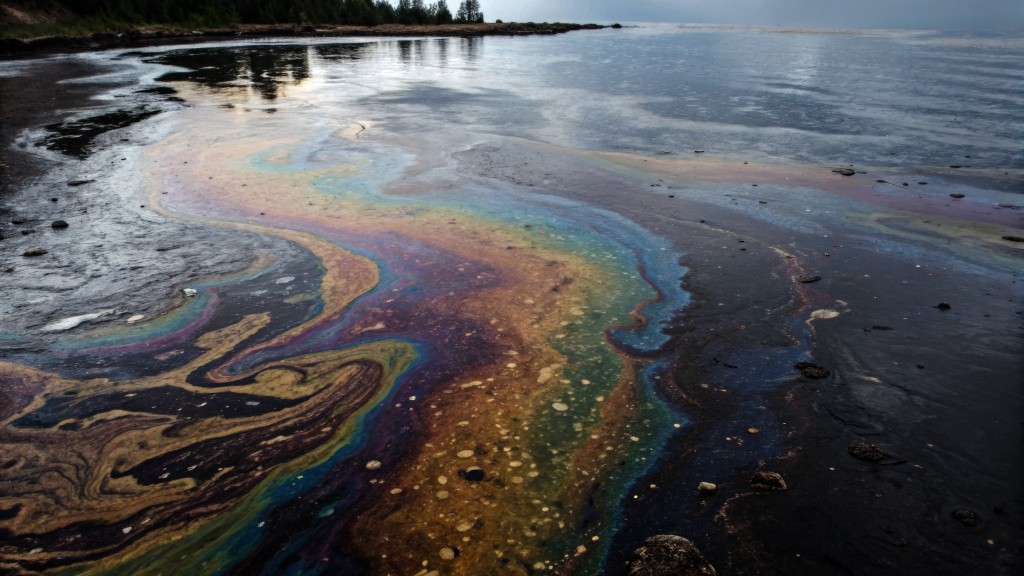
A waste oil tank punctured by equipment might leak for months before anyone notices. Scrap stored directly on exposed soil can release contaminants into the ground over time. And when heavy rain or melting snow moves through a recycling yard, those contaminants can travel well beyond the property. Environmental contamination isn't always the result of a sudden or obvious incident.
Burns says some recyclers are more aware of these exposures and have invested in systems that capture runoff in holding basins, allowing contaminated water to be treated or removed by environmental contractors. But, he says, many operators underestimate the potential consequences of environmental contamination. "I'm fourth generation; this yard is already contaminated," is a response he has often encountered.
That mindset becomes particularly concerning when a facility is located near a creek, municipal waterway, agricultural property, or other environmentally sensitive area. Pollutants can migrate off-site, causing contamination of third-party properties, resulting in significant cleanup costs and potentially loss-of-use situations for the affected party.
Burns recalls a recent fire at a recycling facility where contaminated firefighting water reached a holding pond on a neighbouring property. The operator was required to bring in a hydrovac truck to clean out affected culverts and environmental engineers to conduct ongoing testing. The incident resulted in approximately $300,000 in environmental cleanup costs.
Costs can extend well beyond cleanup of the site and surrounding environment. Burns explains that operators must also deal with provincial environment ministries, which can order a shutdown of operations temporarily.
For a medium-sized operation, Burns estimates that a cleanup costing $300,000 to $400,000 could be accompanied by $1 million to $3 million in lost revenue during an extended shutdown.
Environmental impairment insurance, he explains, may provide minimal coverage for lost revenue under the policies discussed, but can provide access to environmental consultants and remediation specialists who work with regulators to address contamination and help get operations back up and running.
Understanding environmental impairment coverage
Environmental impairment liability insurance, commonly called pollution insurance, is designed to cover pollution-related losses, including cleanup expenses on the insured property and damage to neighbouring properties, subject to the terms of the policy.
Burns identifies two primary types of coverage:
Sudden and accidental coverage addresses unexpected incidents, such as a fire, explosion, or fuel spill that results in contamination.
Gradual coverage addresses pollution that develops over time, such as a slow leak from a storage tank or contaminants accumulating in soil beneath stored materials. Gradual coverage generally requires more extensive environmental assessment and ongoing monitoring to establish a baseline and identify changes in site conditions.
The cost difference can be substantial. As an example, Burns estimates that sudden and accidental coverage for a single location, with a $2 million limit for on-site and off-site losses, might cost approximately $6,500 to $7,500 annually. Gradual coverage with a similar limit could cost $20,000 to $25,000, depending on the facility and its environmental exposures.
"It's much more costly to clean up a waterway than it is to clean up contaminated soil," he says. He notes that a $2 million policy may be reasonable for a facility away from waterways, while those near creeks or other environmentally sensitive areas may require considerably higher limits.
He also cautions that standard commercial general liability policies commonly contain pollution exclusions. Recyclers with off-site operations, mobile equipment, and transportation exposures should review how their policies work together to avoid gaps in protection.
Best practices for recycling facilities to reduce environmental exposure
While insurance provides financial protection following a covered loss, even well-managed facilities remain vulnerable to unexpected incidents. Burns emphasizes the importance of reducing the likelihood and potential severity of environmental incidents.
"You can do everything in your power, and you can still have a lithium-ion battery in your scrap pile that goes into thermal runaway, and you have an event," he says.
He recommends several practical actions:
Map water movement throughout the property: Identify catch basins, storm drains, culverts, ditches, discharge points, and low-lying areas. Understanding where water travels during heavy rainfall, snowmelt, or firefighting operations is essential to preventing off-site contamination.
Control and contain runoff: Use appropriate grading, curbing, berms, and stormwater management systems to direct water into designated containment areas. Collected water should be tested and properly treated or disposed of.
Protect the ground beneath stored materials: Where possible, store scrap piles and pre- and post-shred materials on concrete pads or recycled asphalt surfaces to reduce the potential for contaminants to leach into underlying soil.
Improve battery and hazardous material storage: Inspect incoming materials for lithium-ion batteries and other hazardous items. Protect stored batteries from the elements and ensure end-of-life vehicles are de-polluted promptly rather than left to sit with fluids inside.
Prevent fuel and hydraulic fluid releases: Store liquids appropriately and protect tanks from vehicle and equipment impacts using bollards or large armour stones. Keep storage areas away from activities such as hot works that could introduce additional hazards.
Monitor environmental conditions: Consider periodic soil sampling and environmental assessments, particularly near neighbouring waterways, holding ponds, or agricultural properties. Ongoing monitoring can help identify gradual contamination before it becomes a larger problem.
These measures may require investment, but they can also influence insurance costs. Burns says insurers consider prevention and environmental monitoring when assessing and renewing gradual pollution coverage.
But for Burns, controlling runoff remains a priority.
"My biggest recommendation would be to control your runoff water," he says
Environmental emergency response planning for recycling facilities
At an Ontario auto recycling facility, a major fire was followed by another immediate concern: contaminated runoff was moving downhill toward municipal culverts, and heavy rain was forecast for that evening.
Because the incident was reported quickly, environmental engineers arranged for hydrovac equipment to remove contaminated material before the rain arrived. Burns estimates that the rapid response reduced potential cleanup costs by hundreds of thousands of dollars.
Pollution policies may have strict notification requirements, sometimes within 24 to 72 hours of an incident or its discovery. Recyclers should understand the specific requirements of their coverage.
Many facilities already have emergency response plans, but the environmental component is often less developed than their fire response procedures. Burns recommends incorporating the following practices into an environmental emergency response plan:
Assign responsibility: Designate an individual to coordinate the response, communicate with insurers and contractors, and manage affected areas of the facility.
Identify emergency contacts and contractors: Establish relationships with environmental consultants and remediation contractors before an incident occurs so assistance can be mobilized quickly.
Prepare containment resources: Maintain accessible spill kits and ensure designated employees know how to use them. Identify drains that may need to be blocked and areas requiring immediate protection.
Clearly label hazardous materials: Ensure storage containers and hazardous material areas are properly identified so employees and emergency responders understand the potential exposures.
Document the response: Record when contamination was discovered, who was contacted, what containment and cleanup measures were taken, and the results of environmental testing. Maintain records demonstrating the steps taken to restore the affected area.
Recyclers may not be able to prevent every environmental incident, but having the right people, resources, procedures, and protections in place can make a substantial difference when something goes wrong.
______________________________________________________________________________________
This article originally appeared in the November/December 2026 issue of Recycling Product News.