

Recycle BC takes control of post-collection recycling operations
New management model brings major investments in sorting technology and recycling facilities across B.C.
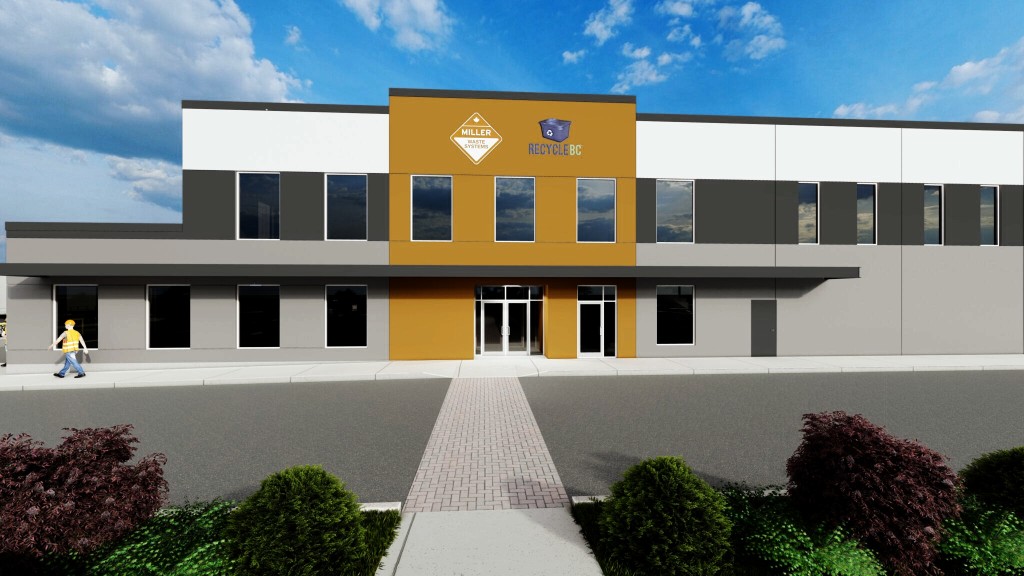
Recycle BC, the organization responsible for managing British Columbia's residential packaging and paper recycling program, has taken direct control of post-collection recycling materials management. The transition, which began June 1, 2026, moves responsibility for coordinating receiving, transportation, processing, and end-market management from a single contractor directly to Recycle BC.
The change includes major investments in recycling infrastructure, including upgrades to existing material recovery facilities (MRFs) in New Westminster and Kelowna and the development of a new 120,000-tonne-per-year processing facility in Delta.
According to Ann Goulding, Manager of Stakeholder Relations for Recycle BC and SK Recycles, the decision reflects the continued evolution of B.C.'s residential recycling program.
"As the program has grown and evolved, managing these services in-house provides greater direct oversight of the entire recycling process," Goulding says.
The transition will be implemented in phases throughout 2026 to maintain service continuity for collection partners and communities.
How Recycle BC's new post-collection management model works
Recycle BC manages residential recycling services through three collection streams: curbside collection, multi-family collection, and recycling depots. The program serves residential properties only and does not include materials from the industrial, commercial, and institutional (ICI) sector.
Although the collection system remains unchanged, the management of materials after collection has undergone a major restructuring.
Under the previous arrangement, GFL Environmental coordinated the post-collection network on Recycle BC's behalf, overseeing services such as receiving, transportation, processing, and logistics. The company was required to meet Recycle BC's standards for responsible material management, chain of custody, reporting, and verified recycling end markets.
Recycle BC now holds direct contracts with individual service providers, including transportation companies, receiving facilities, and MRF operators.
"This model gives Recycle BC greater visibility and control over operations while continuing to leverage the expertise and infrastructure of specialized service providers," Goulding says.
Recycle BC upgrades MRFs in New Westminster and Kelowna
One of the first major infrastructure investments supporting the transition is underway at the New Westminster MRF operated by Urban Impact, a B.C.-based recycling and waste management company. The facility currently has the capacity to process approximately 25 to 30 tonnes of single-stream recyclable materials per hour and can also handle materials collected in three or four separate streams.
Urban Impact is upgrading its processing equipment to improve sorting efficiency, increase material recovery, and produce higher-quality recyclables for end markets. The facility has already replaced its existing optical sorting equipment with newer technology designed to identify and separate recyclable materials more accurately. Additional optical sorters, improved glass and metal separation equipment, and a new baler are planned as part of the next phase.
According to Goulding, approximately 50 percent of the upgrade project is complete. The next equipment deliveries are expected in March 2027, with installation scheduled for the second quarter of the year.
Although the improvements represent a significant investment in processing technology, they are not expected to substantially increase the facility's hourly throughput.
"Instead, the focus is on improving sorting efficiency, recovering more recyclable materials and producing higher-quality materials for recycling end markets," Goulding says.
The upgraded equipment will also be better equipped to handle wet materials and reduce the need for manual sorting and quality checks.
Urban Impact is handling much of the installation work in-house, scheduling upgrades during evenings and weekends to minimize operational disruptions. Goulding says the hands-on experience will also help its team maintain and operate the upgraded equipment over the long term.
Fire prevention and lithium-ion battery incident response are prioritized at the New Westminster facility. Investments include heat-detection technology, monitored fire response systems, additional sprinkler protection, and staff training. The sorting upgrades will provide additional opportunities to identify and remove contaminants before recovered materials are shipped to end markets.
Recycle BC has also expanded its regional processing network with the addition of Cascades' single-stream MRF in Kelowna, which joined the network on June 1, 2026.
Serving communities in the Interior, the facility is slated for upgrades that include optical sorting technology to increase processing capacity and speed, improve operational efficiency, and produce paper grades that can be shipped directly to recycling end markets.
Recycle BC's new Delta MRF to process 120,000 tonnes annually
Recycle BC is also making a major investment in new processing capacity with the development of a 120,000-tonne-per-year MRF in Delta. Selected through an open, competitive procurement process, Miller Waste Systems will design, construct, and operate the facility, which is expected to be completed in 2028.
The new MRF will be dedicated to processing residential packaging and paper collected through Recycle BC's program. It will accommodate both single-stream and multi-stream recyclables, providing flexibility to handle different collection systems and increase processing capacity as volumes grow.
The facility will incorporate advanced optical sorting and AI-enhanced technologies designed to improve sorting accuracy, material recovery, and the quality of recyclables sent to end markets. The design will also allow for the integration of emerging technologies as processing needs evolve and new equipment and sorting capabilities become available.
The Delta MRF will also feature a dedicated education space for facility tours and community engagement, giving visitors a first-hand look at how residential recyclables are processed.
During construction, GFL Environmental will continue providing interim processing services at its Richmond MRF to support continuity across the network.
How Recycle BC maintains material quality and access to recycling end markets
The transition to direct post-collection management gives Recycle BC greater oversight of what happens to recyclable materials after they leave the collection system.
Once materials are sorted and separated at MRFs, they are baled or consolidated and shipped to verified recycling end markets. A strict chain of custody tracks materials from collection through processing and delivery, with end markets subject to Recycle BC's approval and verification process.
Maintaining the quality of those materials begins at collection. Through resident education, community outreach, and regular material audits, Recycle BC works with communities and collection partners to reduce contamination before it reaches processing facilities. Investments in upgraded sorting equipment are intended to improve recovery and produce higher-quality materials for recycling end markets.
"Recycle BC's focus is on maintaining high-quality recyclable materials so we can maximize access to local recycling end markets wherever possible and ensure the materials we collect can ultimately be turned into new products," Goulding says.
______________________________________________________________________________________
This article originally appeared in the November/December 2026 issue of Recycling Product News.
Company info


404 Marie-Victorin Blvd. P.O. Box 30
Kingsey Falls, QC
CA, J0A 1B0
Website:
cascades.com/home
