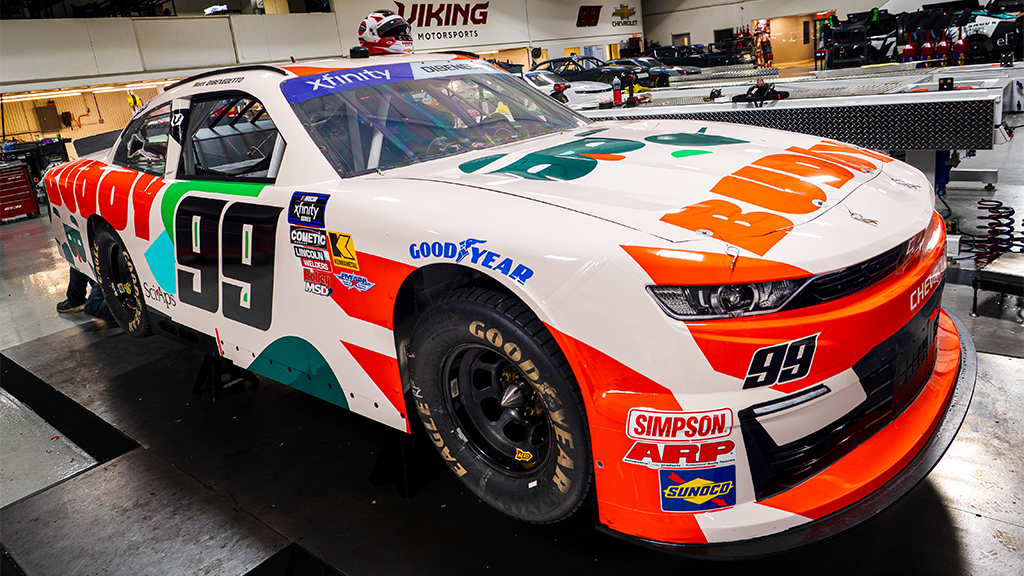

Buddy welcomes former AMCS innovation chief as co-founder and CTO
Schwartz joins the company ahead of a major planned rollout of side sell software to more than 150 recycling yards
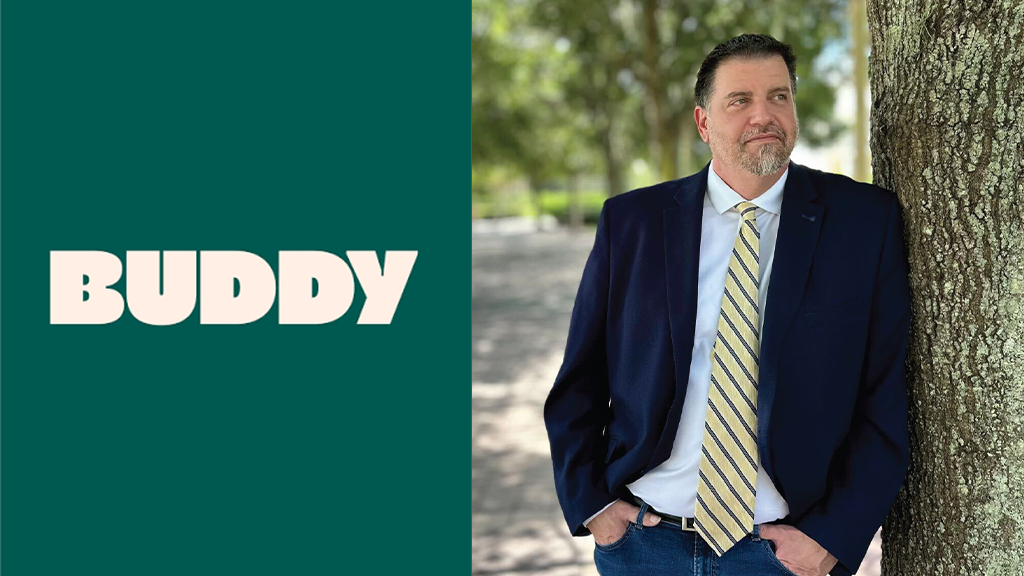
Evan J. Schwartz, former chief innovation officer at AMCS Group, has joined recycled metals technology company Buddy as co-founder and chief technology officer.
Schwartz joins the company with decades of recycling software expertise
Schwartz brings more than 35 years of software experience to the role, including senior leadership positions at AMCS, the Irish enterprise software provider serving the waste and recycling industries. Before becoming chief innovation officer, he served as chief operating officer for AMCS North America and chief enterprise architect.
His move from an established enterprise software company to an early-stage startup comes as Buddy prepares for its first enterprise rollouts, including a planned deployment across more than 150 recycling yards in the first quarter of 2027.
Buddy is developing a new opportunity in tech and recycling
Schwartz's decision to join Buddy reflects his belief in an opportunity to address a longstanding gap in scrap industry technology.
While traditional ERP and yard management systems support essential operations such as scale transactions, compliance, and inventory, many of the commercial processes involved in trading recycled metals still rely on texts, emails, and spreadsheets.
Buddy is building Sell-Side Software for scrap sellers: an intelligent, commercial layer that works alongside existing systems. The aim is to bring the commercial processes involved in a trade into one connected system, spanning internal departments and external buyers.
The company's longer-term vision is to become a centralized platform for the recycled metals industry, through which all recycled metals, money, data, and communications flow.
For Schwartz, confidence in the technology opportunity was matched by confidence in the people behind it. Founders Stuart and Lisa Kagan bring the credibility and trust earned through decades of doing business in the scrap industry, and those principles are deeply embedded in Buddy.
"The best operators don't need another ERP," Schwartz says. "They need someone to finally digitize the sell-side work that still runs on analog tools, and then give them one platform to run the entire commercial side of their business. Buddy is building that. That's why I'm all in."
Scaling a platform at scale requires collaboration across sectors
Schwartz brings more than 35 years of extensive experience in enterprise software development, implementation, and adoption in underserved industries he calls "wealth industries," spanning oil and gas, forestry and paper, waste and recycling, and scrap metal. He also brings deep expertise in artificial intelligence through his teaching at Jacksonville University and the Davis College of Business and Technology, and as chair of the Board of Advisors in Cybersecurity and Computer Science at Jacksonville University. He is a member of the Forbes Technology Council and author of People, Places, and Things: A Framework for a Pain-Free ERP Implementation, published by Forbes Books.
As Buddy prepares to serve North America's largest, multi-site recycling businesses, the focus is on delivering technology that can scale reliably across their operations while remaining practical and intuitive for the people using it. The planned SA Recycling deployment marks an important step in that expansion, with additional enterprise rollouts scheduled for the same quarter.
Schwartz is well placed to lead this development as CTO, with a deep understanding of what it takes to implement technology across large, complex organisations.
Evan's appointment brings a new dimension to what the founding team can achieve. "Evan completes the founding team," says Stuart. "He brings the enterprise technology expertise to match our industry knowledge and to ensure the platform we've already built can reliably scale to serve the largest and most complex recyclers. This is how an underserved industry gets a credible technology player that is capable of solving real problems for the industry, at scale."