
Reference photo library from The Carton Council supports AI-powered sorting identification
Technology providers will receive better data to more accurately train systems on real-world conditions
Artificial intelligence is becoming an increasingly valuable tool for material recovery facilities to help identify and sort recyclable materials as they move through the recycling stream. But like any AI system, effectiveness depends in part on the quality and diversity of the data it learns from. That's why the Carton Council has launched a new initiative to help AI-powered sorting systems more reliably recognize food and beverage cartons.
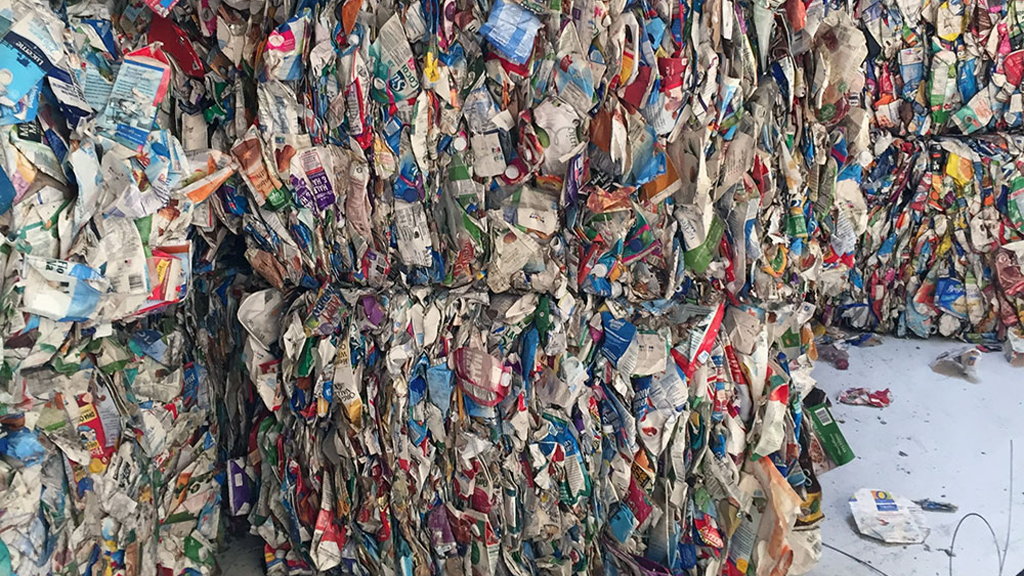
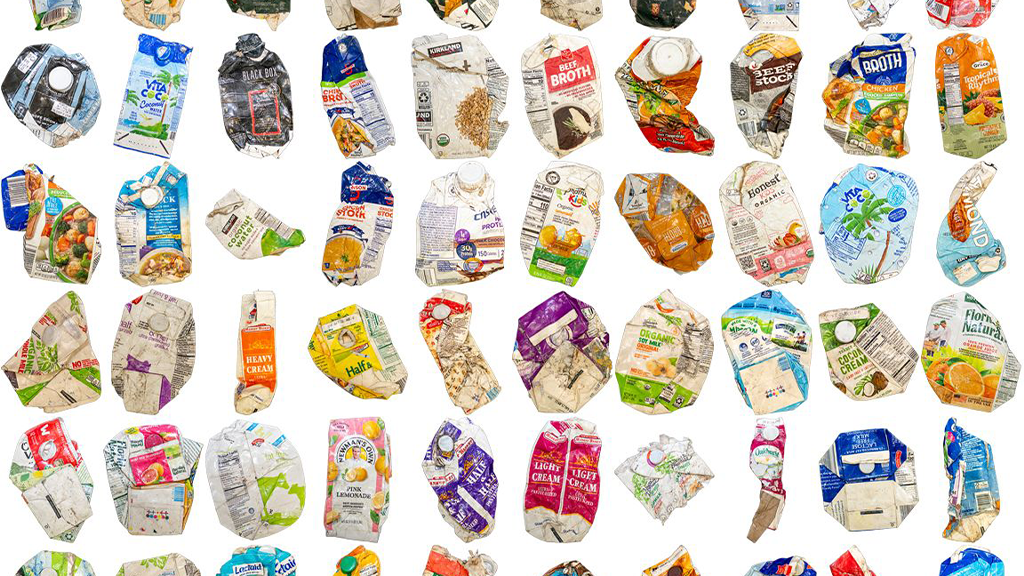
The organization is building a growing library of photographs showing cartons as they actually appear in the recycling stream. Pristine packages photographed on a retail shelf are accurate but unlikely to appear on real sorting lines — cartons may be partially folded, torn, discoloured, or otherwise altered through collection, compaction, transportation, and processing.
Realistic images can contribute to better identification and recovery rates
Computer vision and AI-based material recognition systems identify objects moving across MRF conveyor belts based on characteristics learned from large collections of images. The quality and diversity of those training images can play an important role in how reliably these systems recognize materials under real-world operating conditions.
By photographing cartons recovered from MRF recycling streams, the Carton Council aims to give technology providers training data that more accurately reflects what their systems will encounter on the line.
"As AI solutions become more widely integrated by MRFs to identify and sort recyclable materials, we want to make sure cartons are accurately represented in the data these systems learn from. The Carton Council has been a longtime supporter of utilizing near-infrared (NIR) optical sorting technology and other advanced sorting tools to recover cartons. Helping emerging AI systems accurately identify and sort cartons is a natural extension of that work," shared Jason Pelz, vice president of Recycling, Carton Council.
The Carton Council continues to support recyclers and equipment manufacturers
Supporting new sorting technology is not a new role for the Carton Council. As MRFs adopted and expanded the use of NIR optical sorting, the Carton Council worked to ensure those systems could effectively identify and recover cartons. AI-powered material recognition is a new, promising tool MRFs can use to efficiently and effectively sort recyclables, including cartons.
"Our goal has always been to work across the recycling system to improve carton recovery. Technology continues to evolve, but our role remains the same: helping MRFs and their equipment partners have the tools and information they need to sort cartons efficiently and effectively to get more of them to end markets for recycling," said Jordan Fengel, president, Carton Council.
The initial data set includes photographs of cartons recovered by MRFs and is available free of charge to MRF equipment providers, AI material recognition technology developers, and researchers. The Carton Council will continue adding more images from additional facilities and recycling streams over time, creating an increasingly diverse and representative collection that can support more reliable carton identification and sorting.