
Stuart Kagan publishes playbook for the modern scrap yard
Balls of Steel is the field guide for operators who want to protect margin, spot opportunities earlier, and build a yard that outlasts the next decade
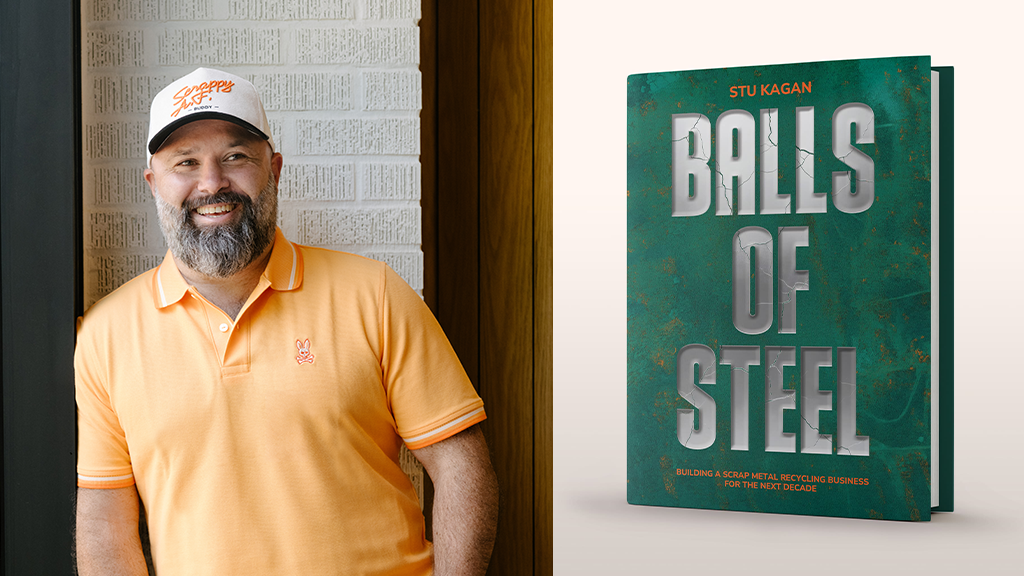
Stuart Kagan, a scrap industry veteran and Buddy co-founder, delivers real insights for building a scrap metal business that can adapt faster and compete harder in his new book Balls of Steel.
The boots-on-the-ground guide is written for scrap yard owners and operators who refuse to leave their future to chance. "The instinct that built great businesses still matters, but it's not enough on its own anymore," Kagan writes. "Balls of Steel is about keeping what made scrap strong and adding what the future demands."
The realities of the current scrap industry and what scrap yards need to focus on for a successful future
Balls of Steel arrives as the metal recycling sector faces converging pressures: tightening margins, commodity volatility, growing compliance demands, labour challenges, and the beginning of meaningful technological disruption.
Kagan uses his new platform to argue that the yards that will survive and lead are those that combine operational grit with strategic intelligence, and that the tools to do this are already here, more capable than most operators assume and improving at pace — the stakes are real, the window is open, and the operators who move with intention now will be the ones setting the pace later.
Rooted in real stories and personal lessons, the book covers topics like customer relationships, cash flow to leadership, smarter systems, and what the yard of the future actually looks like. Kagan weaves in conversations from Born Scrappy, his podcast that hosts industry leaders who share their setbacks, wins, and sharp instincts — extending those conversations into a format leadership, traders, and operators can apply on the ground.
Each chapter is grounded in the realities of the trade: deals that were too good to be true, machines that turned into expensive lessons, pressure that exposed weak points, and moments where better judgment made all the difference.
Tyler Adams, COO of SA Recycling, sees the book as both important and timely: "The scrap industry is in a period of change, and what worked for decades isn't going to be enough on its own for what's ahead. The hard part is finding voices who can hold both sides of that — the grit that built this industry and the systems that will define how it operates from here. Stuart sits credibly in both: three decades on the operations and trading side, and now building the technology layer with Buddy. A book from someone with that footing is exactly the kind of guide this industry has needed."