
Alliance releases first-ever design guidance for poly-coated paper packaging
The guide addresses a gap in design for recyclability by identifying key packaging features and components

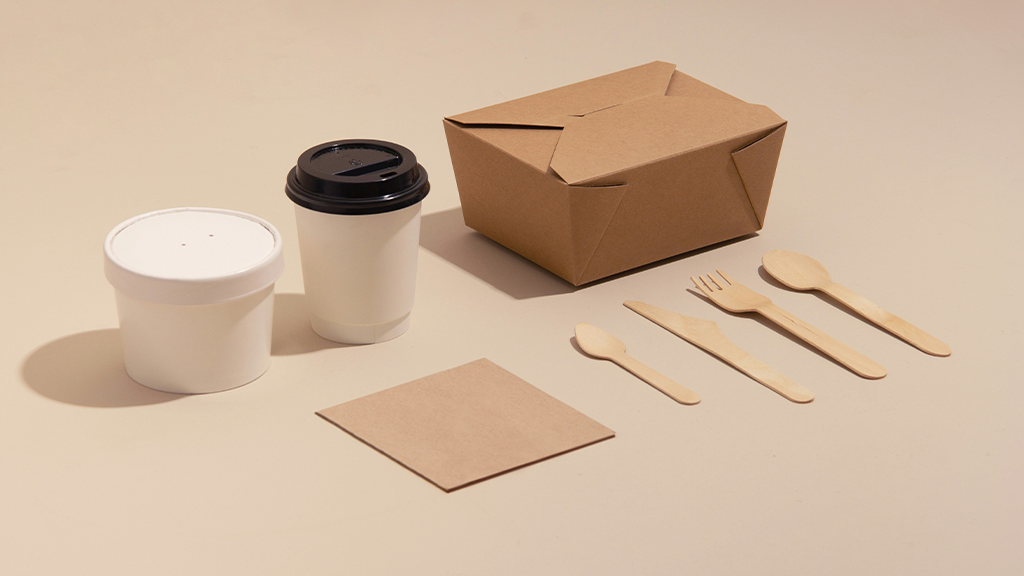
The Poly Coated Paper Alliance (PCPA) has released its 2026 Design for Mill Recyclability Guidance, the first comprehensive U.S. design guide for poly-coated paper packaging, including milk and juice cartons, coffee cups, ice cream containers, and other food and household packaging. The resource provides brands, converters, and manufacturers with a common framework for designing poly-coated paper packaging in closer alignment with U.S. paper mill end markets.
The release comes as Circular Action Alliance (CAA) finalizes its plan for implementation of extended producer responsibility in California. CAA can draw on the new guide as a mill-informed, industry-backed resource to inform fees and recovery strategies in California and in other states in which it is active.
Filling a gap in design guidelines
While design guidance exists for other packaging formats and material types, poly-coated paper packaging has lacked a comprehensive U.S.-specific resource. The new guide addresses that gap by identifying packaging features and components that can influence how these materials are reprocessed by paper mills.
The design guide is grounded in direct input from U.S. and Canadian mills representing more than 90 percent of consumption of the relevant recovered fiber grades that contain poly-coated paper packaging, including Grade 54 Mixed Paper, Grade 52 Cartons, and other poly-coated white fibre grades.
"This guide brings the operating realities of paper mills directly into the packaging design process," said Jason Pelz, vice president of Recycling for the Carton Council. "By grounding this work in direct mill feedback, we're helping the industry better understand where compatibility exists today and where more work is needed."
The guide sources direct feedback from recyclers
The guidance uses four compatibility categories: fully compatible, conditionally compatible, not compatible, and unknown. The framework was informed by existing global guidance, including the 4evergreen Alliance, and adapted for U.S. mill conditions based on mill feedback. Additional testing, including RFID tracking, optical sorting, and bale audits conducted by the PCPA, helped inform the guidance.
The findings show that seemingly small design choices can influence how poly-coated paper packaging performs at end markets. Mill feedback identified differences in compatibility across coatings, adhesives, and other non-fiber components. This includes the latest guidance for repulpability standards.
"Industry-developed guidance like this fills a real gap," said Scott Byrne, vice president, Global Sustainability & Industry Affairs for Sonoco. "Having a credible framework already in place gives producers a resource we can consider as EPR implementation moves forward in California and across the country."
Marty Seaman, executive vice president of Business Development for Resource Recycling Systems, the consultancy that supports PCPA and the development of the design guide, said the value lies in giving brands a practical reference point. "Brands don't always have visibility into how a design choice plays out once it reaches a mill. This guidance gives them that visibility in a form they can act on."
The resource is not a mandatory standard or guarantee of regulatory compliance. PCPA will continue to update the resource as new mill input, testing, standards, and regulatory requirements emerge. Brands, converters, mills, and other stakeholders interested in the 2026 design guide, or in helping to shape future versions, are encouraged to get involved with PCPA.