
SWANA report highlights benefits of waste-to-energy facilities
Case studies and research-based information show how municipalities can reduce landfill dependence and support reliable renewable energy
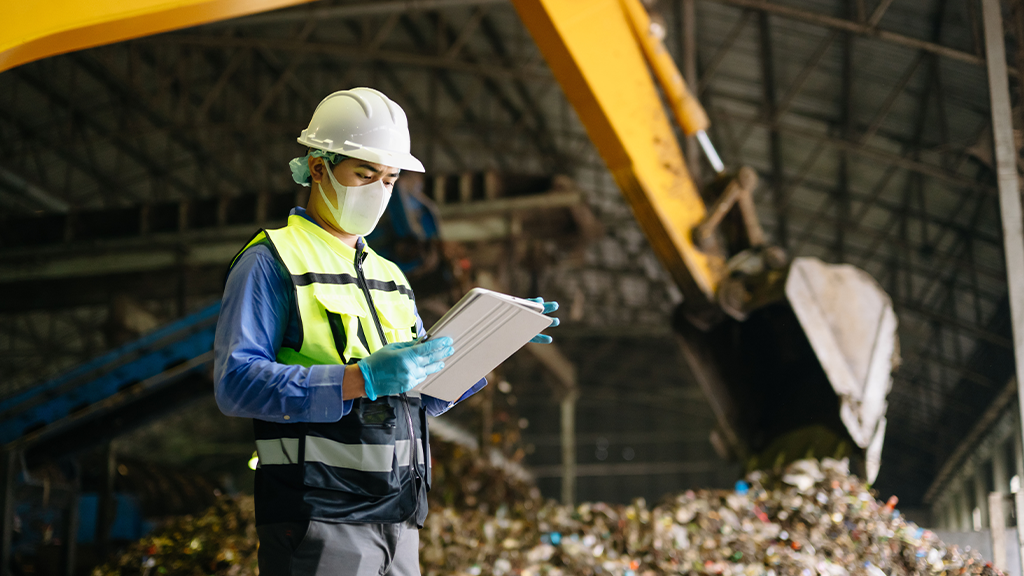
The Solid Waste Association of North America (SWANA) has released a new report from its Applied Research Foundation (ARF), "Clarifying the Benefits of WTE Facilities for County and Provincial Elected Officials".
The report is designed to help local officials, policymakers, and solid waste leaders better understand the role waste-to-energy (WTE) facilities can play in an integrated solid waste management system.
SWANA provides resources for local governments to use during policymaking
County and provincial officials are often responsible for making long-term decisions about waste disposal capacity, infrastructure investment, recycling programs, and public communication around solid waste systems. SWANA's new ARF report provides a clear, accessible resource to support those decisions and help communities evaluate WTE facilities based on documented performance, operational experience, and public policy considerations.
Developed with input from the SWANA ARF Waste Conversion and Energy Recovery (WCER) Research Group, the report reflects input from facility owners and subject matter experts. It focuses on the need to move public conversations about WTE toward a more complete understanding of the benefits these facilities can provide to communities.
The report identifies several key benefits of WTE facilities for local governments and communities, including their ability to provide an option for local management of waste and long-term disposal capacity. The report includes case studies and examples from communities that have implemented WTE facilities, which illustrate how WTE facilities can reduce landfill dependence, extend landfill capacity, support local responsibility for waste management, and provide reliable energy recovery services.
The report also addresses common objections to WTE facilities, including concerns related to siting, public opposition, initial costs, and environmental impacts. SWANA developed the report to help elected officials respond to these concerns with clear, fact-based information and to support more informed public dialogue about the role of WTE in managing residual solid waste.
"County and provincial elected officials are being asked to make complex, long-term decisions about how their communities manage residual waste," said Carolyn F. Muller, acting CEO of SWANA. "This report gives them a practical, research-based resource to better understand waste-to-energy facilities, ask informed questions, and communicate clearly with residents. SWANA's Applied Research Foundation continues to provide timely, useful research that helps public officials and solid waste professionals make decisions that protect public health, support responsible resource management, and strengthen local infrastructure."