
Battery recycling participation hinges on strong consumer awareness
The key to driving battery recycling rates upwards includes reducing common barriers to access and education
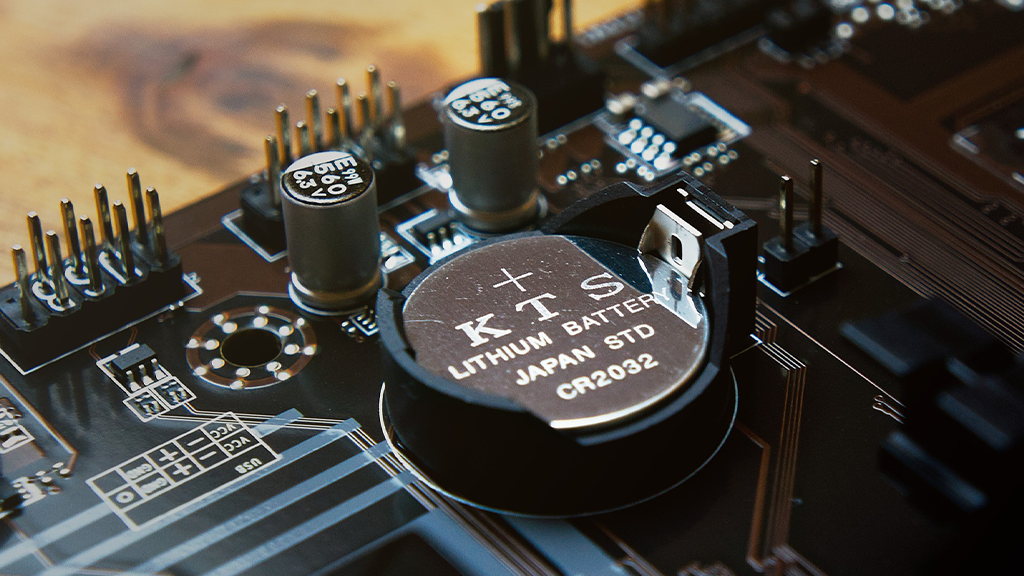
Almost all Americans use a lithium-powered device every single day. A new study from Cirba Solutions finds that most don't know where or how to recycle the batteries inside these devices.
The Missing Link: Consumer Awareness in the Battery Life Cycle, a follow-up to the company's 2024 research, found that 91 percent of Americans would recycle their lithium batteries if doing so were as easy as throwing them away. Yet, there was an increase of about 18 percent, compared to 2024 respondents, who don't know how or where to properly dispose of their used batteries.
"Battery use and demand continue to surge, but the knowledge gap around recycling still exists," said Karen Gay, community engagement manager at Cirba Solutions. "Americans want to do the right thing with their batteries. Our job is to make recycling more accessible, raise awareness and give people what they need to take action."
How Cirba Solutions is closing the gap on consumer education
Cirba Solutions is addressing the barriers identified in the research on multiple fronts. The company's community education programs teach consumers how to identify battery types, prepare them properly for recycling, and find nearby drop-off locations directly targeting the top reasons respondents gave for not recycling: no convenient collection point, uncertainty about preparation, and safety concerns around storage and transport. At the same time, Cirba Solutions has an expansive collection network including partnerships with retailers, municipalities and manufacturers to streamline the recycling process.
To bring recycling directly to consumers, Cirba Solutions hosts collection events at its facilities and sponsors community collection drives in partnership with schools, municipalities and local organizations. The company also provides free educational resources — through its website and community outreach team — to help residents learn how and where to safely and responsibly recycle their batteries. Cirba Solutions offers safe, compliant and turnkey recycling solutions (WeRecycle Battery Boxes) for consumers to recycle their batteries.
Beyond collection, Cirba Solutions' domestic processing facilities recover critical minerals — including lithium, nickel and cobalt — from end-of-life batteries and return them to the battery and manufacturing supply chains, where they are used to make new materials, including batteries. This closed-loop approach reduces U.S. reliance on foreign sources for these materials and strengthens domestic manufacturing.
"Every battery recycled is an opportunity to recover critical minerals and return them to the domestic supply chain," continued Gay. "When consumers understand the value contained in their batteries, we can strengthen our supply chains, grow domestic manufacturing and reduce our reliance on batteries and critical minerals from foreign sources."
The research shows this message resonates: 84 percent of respondents said they would be more likely to recycle if they knew doing so could reduce U.S. dependence on foreign critical minerals — underscoring the opportunity that continued education presents.
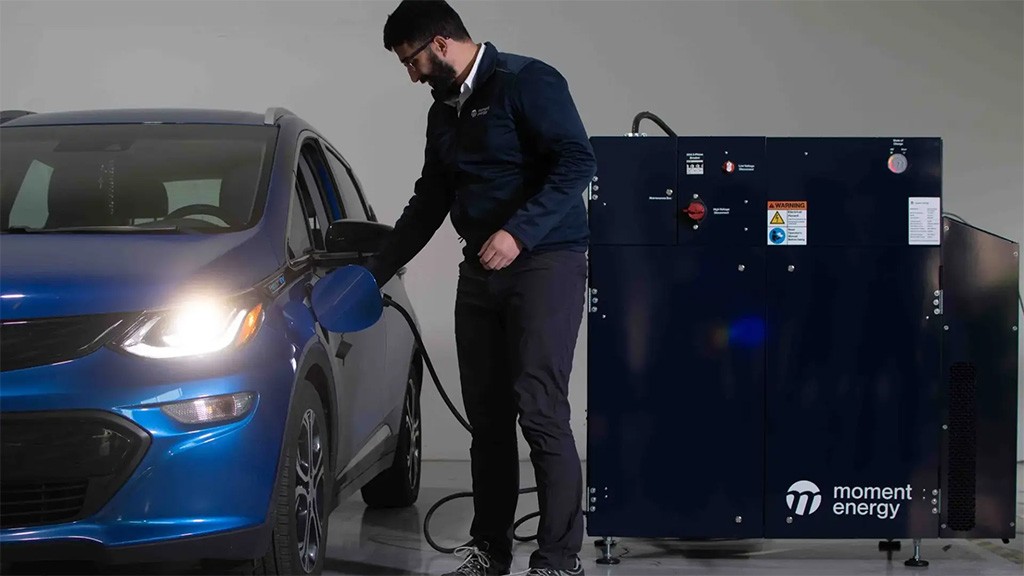
The awareness gap extends to electric vehicles. Two-thirds of current electric vehicle (EV) owners said they weren't educated about battery safety or recycling when they purchased their vehicle, and many prospective buyers haven't considered what happens to a used EV battery. Cirba Solutions is working to close this gap in EV battery recycling, partnering with manufacturers, dealers, and automotive dismantlers.
Cirba Solutions commissioned the research to better understand consumer perceptions and identify opportunities to improve battery recycling education and participation. Review the full findings of The Missing Link: Consumer Awareness in the Battery Life Cycle.