
Canada strengthens Criminal Code to combat copper theft
New bail and sentencing reforms introduce tougher penalties targeting repeat offenders and organized crime

Canada has strengthened its Criminal Code to crack down on copper theft, recognizing the growing threat the crime poses to critical infrastructure, public safety, and essential services.
The Bail and Sentencing Reform Act (Bill C-14), which came into force on July 15, 2026, introduces tougher bail and sentencing provisions for repeat violent offenders and organized crime. Among the changes is a new aggravating factor for theft and mischief involving essential infrastructure, a measure aimed directly at crimes such as copper theft.
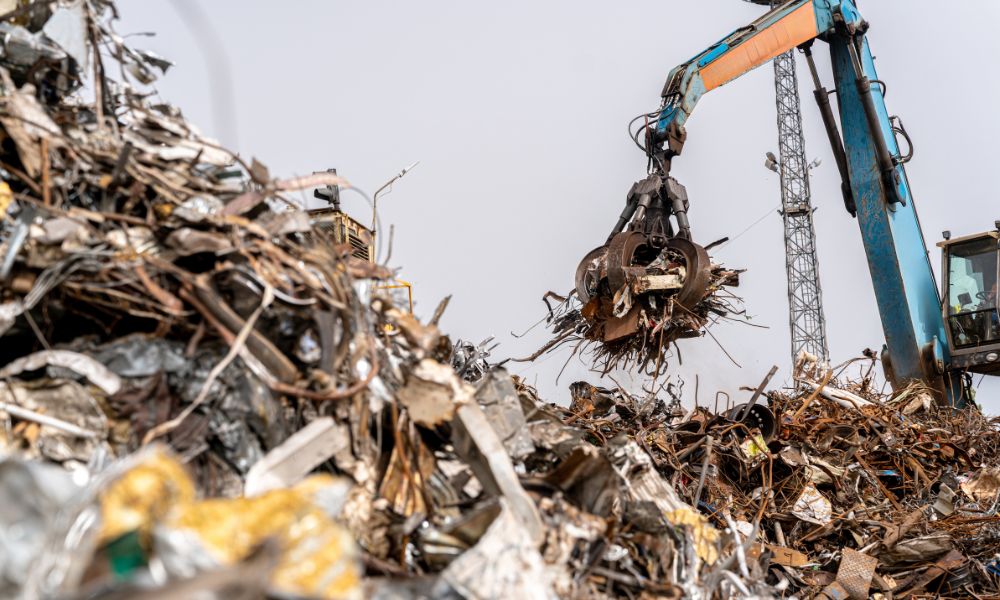
For the recycling industry, the legislation acknowledges what processors, utilities, municipalities, and law enforcement have been highlighting for years: copper theft is not simply a property crime. Stolen copper from power distribution systems, telecommunications networks, rail infrastructure, and construction sites can lead to widespread service disruptions, costly repairs, worker safety risks, and significant economic losses.
The reforms also make it more difficult for repeat offenders to obtain bail in certain cases through expanded reverse onus provisions, require courts to give greater consideration to public safety and an accused's criminal history during bail hearings, and introduce tougher sentencing requirements for a range of serious offences linked to organized criminal activity.
Effective enforcement, adequate resources for policing and prosecution, and continued collaboration between governments, utilities, recyclers, and law enforcement will be critical to reducing copper theft and disrupting illegal scrap metal supply chains.
For legitimate recyclers, stronger enforcement against organized theft helps reinforce the distinction between responsible recycling businesses and criminal activity. Many recycling companies have already implemented rigorous supplier verification, transaction documentation, and material tracking procedures to help prevent stolen metal from entering legitimate recycling streams.
As demand for copper continues to grow alongside investments in electrification and critical infrastructure, industry leaders expect theft prevention to remain a priority. The new Criminal Code provisions represent one step toward protecting both Canada's infrastructure and the integrity of the legitimate metals recycling industry.