
Volvo Trucks increases recycled materials used in next-gen heavy-duty trucks
All-new Volvo VNL and VNR feature recycled consumer plastics and sustainably sourced wood across cab and tractor components
From recycled plastics and responsibly sourced wood to manufacturing processes that support circularity, Volvo Trucks is incorporating more sustainable materials throughout its vehicles with the ultimate goal of reducing environmental impact during the manufacturing process. The sustainable design philosophy is visible throughout the all-new Volvo VNL and VNR, the latest generation of heavy-duty trucks designed for long-haul and regional-haul operations.
Recycled plastics are used to reduce carbon emissions during the manufacturing process
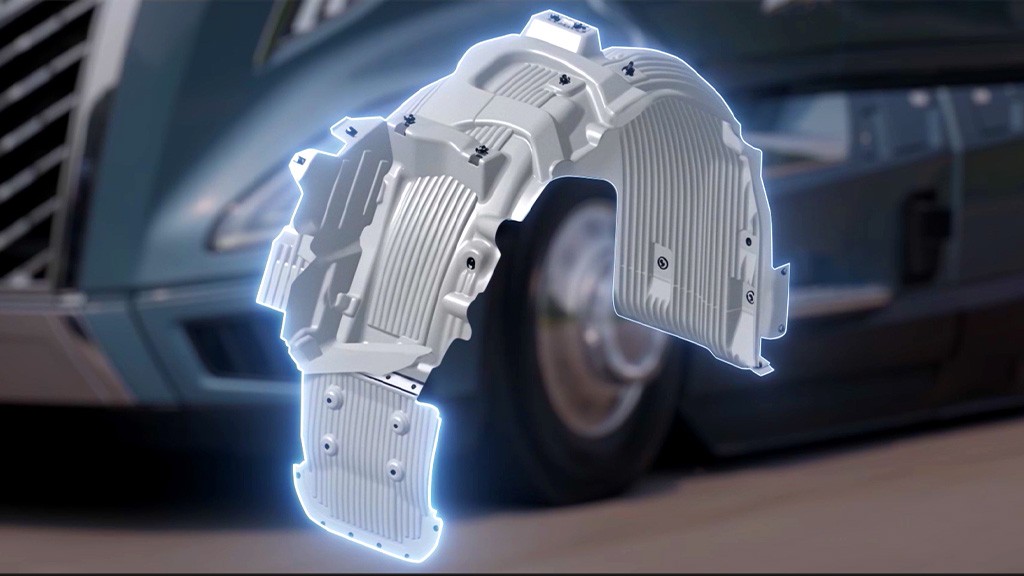
Beginning in May 2026, the splash shield, located inside the front wheel well, will be manufactured with 75 percent recycled plastic, reducing carbon emissions associated with manufacturing. Additional recycled content is used throughout the cab, including carpets containing up to 50 percent recycled material and seatback components containing up to 75 percent recycled fibres.
Looking ahead, Volvo Trucks plans to expand the use of recycled materials with recycled plastics across 44 instrument panel components. The material will be sourced and recycled in the United States and is expected to reduce carbon emissions associated with those parts.
"Our vision for the future of transportation extends beyond reducing tailpipe emissions," said Peter Voorhoeve, president, Volvo Trucks North America. "Every component of a truck presents an opportunity to reduce environmental impact. The all-new Volvo VNL and VNR demonstrate how sustainable material choices can be integrated into vehicle design while maintaining the premium quality, durability, and performance our customers expect from Volvo Trucks."
Lowering the environmental impact while maintaining quality products
The sustainably sourced real-wood trim in the instrument panel is a visible component of the new design philosophy. Unlike simulated wood finishes commonly used throughout the industry, Volvo Trucks offers genuine wood trim sourced from responsibly managed forests, combining craftsmanship with sustainable sourcing practices.
The next generation of sustainable trucks
These advancements are the result of ongoing collaboration across Volvo to identify and implement more sustainable materials and manufacturing processes. Teams continue to evaluate emerging technologies, including bio-based composites, recycled consumer plastics, reclaimed ocean plastics, and renewable material alternatives.
The sustainable materials featured in the new Volvo VNL and VNR represent only the beginning of a broader strategy to increase recycled content, improve recyclability, and support a more circular future for commercial transportation.
Sustainable materials used in the Volvo VNL and VNR
Splash shield
- 75 percent post-industrial recycled content
- Recycled plastic sourced domestically in the U.S.
- Reduction in CO2 emissions
Sustainable wood trim
- Genuine Ayous wood veneer
- Sourced from responsibly managed forests
- Certified by the Forest Stewardship Council (FSC) and the Programme for the Endorsement of Forest Certification
- Available on Ultimate trim level models
Interior materials
- Up to 75 percent recycled fibres in seatback components
- Up to 50 percent recycled content in carpet systems
- Carpet manufacturing scrap recycled on site
- Manufactured in Hampton, New Hampshire
Future material development areas
- Expanded use of post-industrial recycled plastic in the instrument panel, including plans to introduce recycled content across 44 components
- Bio-based composites utilizing materials such as hemp and agricultural byproducts
- Recycled consumer plastics
- Reclaimed ocean plastics
- Recycled textile materials
- Improved design-for-disassembly and component recovery
"Sustainable design is most successful when customers never have to choose between environmental responsibility and product quality," said Brian Balicki, head of design, Volvo Trucks North America. "Our goal is to create products that look and feel premium while reducing environmental impact throughout the vehicle lifecycle."