
The current state of polystyrene circularity in North America
Infrastructure, technologies, and collaborative industry partners have created sustainable end markets for EPS and rigid packaging
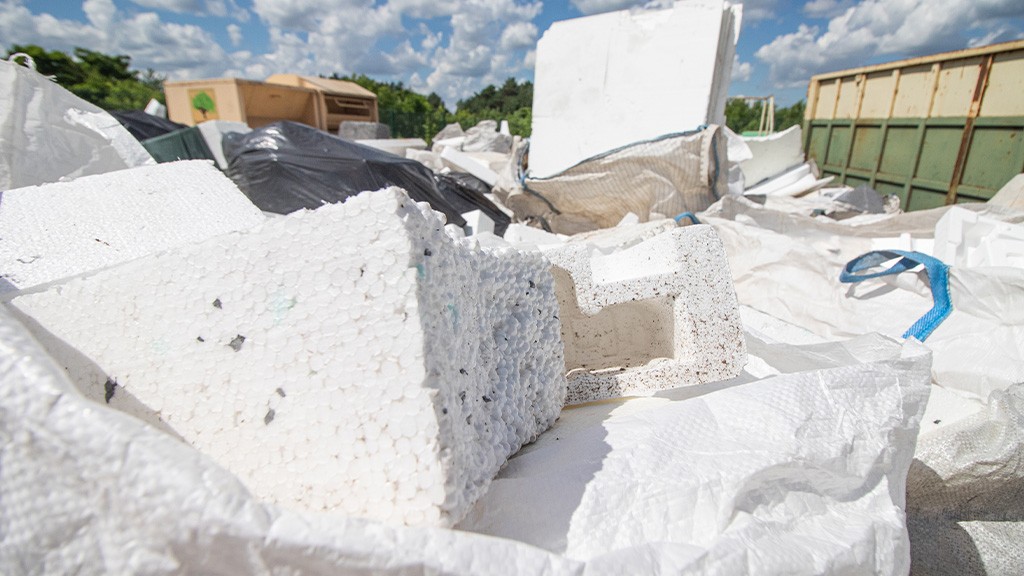
The Polystyrene Recycling Alliance (PSRA) has recently issued a comprehensive report documenting the current state of recycling infrastructure, technologies, and end markets for both expanded polystyrene (EPS) transport packaging and rigid polystyrene (HIPS/GPPS) packaging across North America.
The report was informed by third-party research from Resource Recycling Systems (RRS) and is grounded in active regional demonstration projects. The outcome details polystyrene recycling as of 2026, from collection infrastructure and recycling technologies to verified end markets and investment activity spanning the full value chain.
This study reinforces the outcomes possible when key stakeholders come together to advance technologies and infrastructure. Last year, PSRA collaborated on a partnership to expand the collection and recycling of all types of polystyrene. The initiative positively impacted the circularty of rigid non-foam applications and foam formats across several regions in the U.S.
Key findings
The report highlights findings by the PSRA, including a substantial and independently verified 31 percent recycling rate for EPS transport packaging in North America, roughly 100 million Americans have access to recycle at least one polystyrene item, and the fact that three commercially active recycling technologies — mechanical, dissolution, and chemical recycling technologies — can recycle polystyrene today.
Underlining the report is the most comprehensive inventory of U.S. and Canadian polystyrene end markets conducted to date. Commissioned by PSRA and carried out by RRS, the research identified 81 companies at 119 facilities receiving recovered EPS transport packaging and 45 companies handling recovered rigid polystyrene — spanning more than two dozen U.S. states and four Canadian provinces. End-use applications range from new EPS packaging and food-grade containers to construction materials and consumer goods, demonstrating the demand signal needed to justify continued investment in polystyrene recovery infrastructure.
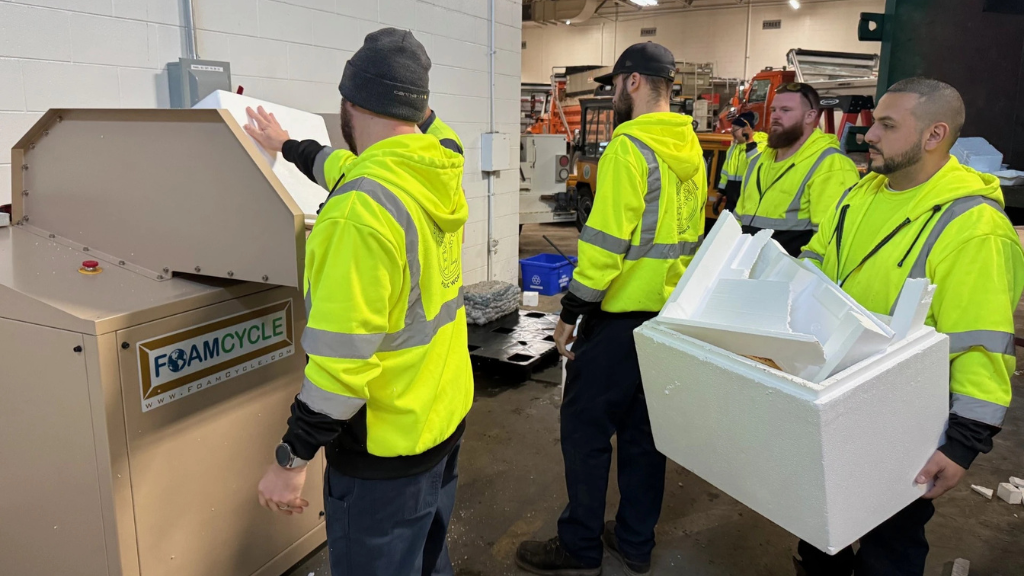
The report highlights active PSRA-supported recycling projects as replicable models for scaling polystyrene recovery: a Foam Cycle densification installation at Nashville's East Convenience Center, launched Earth Day 2026 in partnership with the Nashville Department of Waste Services; a statewide Colorado initiative through Circular Colorado's Circular Transportation Network alongside a new Denver-and-Baltimore partnership with Brave Industries targeting all polystyrene formats; and a Mexico City collaboration with R3vira doubling micro-route collection citywide, complemented by a HIPS dairy-packaging recovery initiative with the Mexican Plastics Pact involving Danone, Lala, and Yakult.
With Extended Producer Responsibility (EPR) legislation advancing in states such as Oregon and Colorado, PSRA calls on policymakers to let the evidence guide fee structures and to use EPR as a catalyst for polystyrene recycling infrastructure that is already proving itself at scale across North America.
"This report is about evidence, not aspiration," said Justin Riney, chair of the Polystyrene Recycling Alliance. "Polystyrene recycling is not a future goal; it is a functioning system with proven technologies, documented end markets, and active projects operating right now in cities across the United States, Canada, and Latin America. The question before stakeholders is whether they will use that evidence to support polystyrene playing an important role in the emerging circular economy for plastics."
Riney continued, "The facts are clear: polystyrene is not a material to be eliminated. It is a circular opportunity already being realized, one investment and one partnership at a time."