

Q&A: Jacqueline Lotzkar on advocacy, collaboration, and the CARI Convention
Canadian Association of Recycling Industries' president and CEO Jacqueline Lotzkar discusses the priorities shaping this year's convention
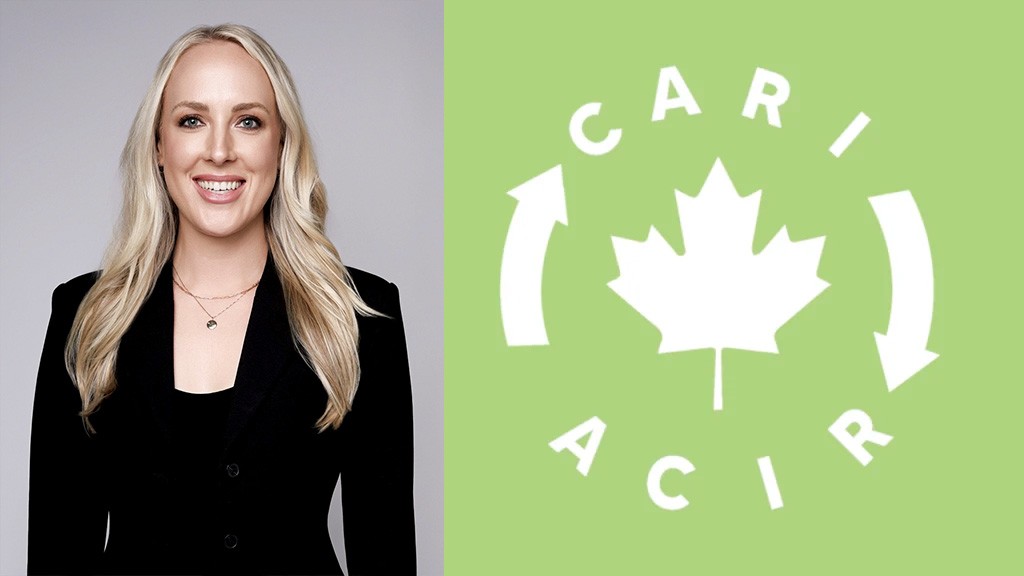
As the recycled materials industry navigates shifting trade dynamics, evolving regulations, and new technologies, industry collaboration remains essential. I sat down with Canadian Association of Recycling Industries president and CEO Jacqueline Lotzkar to discuss the association's recent progress, the priorities shaping this year's convention, and how stronger connections across the industry can help recyclers address shared challenges while positioning the sector for future growth.
Slone Fox: Since the last CARI convention, what have been some of the notable achievements for the association?
Jacqueline Lotzkar: Since our last convention, CARI has continued to build meaningful momentum across the association. We're seeing steady growth in both membership and convention attendance, along with stronger engagement across our committees.
Our NextGen initiative is energizing the next generation of leaders, while our Membership, Communications & Events committees are actively shaping strategy and programming with valuable member input.
We've also significantly strengthened our government relations and advocacy efforts. By deepening our engagement with decision-makers and advancing conversations on key policy issues, we are ensuring the recycled materials industry has a strong and credible voice at the table.
Overall, CARI is growing — in participation, in impact, and in influence — and that's a direct result of our members' commitment and leadership.
SF: What are the main themes and priorities for this year's CARI convention? What uniquely Canadian challenges are shaping the agenda?
JL: This year's convention is built around the theme "Forging Connections," recognizing that strong relationships, clear communication, and industry collaboration are more important than ever. The CARI Convention brings together recyclers from across Canada, the United States, and abroad for meaningful networking, practical learning, and strategic discussion.
The agenda reflects both leadership and industry realities. We'll explore resilient leadership and team building, hear directly from Microsoft on the real-world impact of AI, examine modern heavy equipment and operational innovation, and review the economic outlook shaping our sector. Our commodity panel will provide market intelligence across key material streams, while sessions on advocacy and government relations will highlight the growing importance of industry engagement.
Uniquely Canadian challenges — including trade negotiations, cross-border dynamics under CUSMA, regulatory complexity, and evolving federal and provincial policy — are directly shaping the program. Our members operate in a global marketplace, but within a distinctly Canadian regulatory and economic environment. This year's convention ensures they leave informed, connected, and prepared.
SF: Where do you see the most alignment between provinces right now, and where are the gaps?
JL: Across the country, there is strong alignment on the importance of circular economy principles, responsible resource management, and the role recycling plays in supporting economic resilience and environmental stewardship. Provinces across Canada recognize the value of keeping materials in circulation and strengthening domestic processing capacity. Workforce development, regulatory clarity, and supply chain stability are also shared priorities that resonate nationally.
Requirements can vary significantly by province and even municipality, creating complexity for businesses operating across multiple jurisdictions. That's where CARI's advocacy work plays an important role. We are actively engaging with elected officials and policymakers to ensure they better understand how our industry operates and how legislation can support — rather than unintentionally hinder — responsible recyclers.
Ultimately, while regional differences exist, the core issues facing our members are remarkably consistent. Our goal is to ensure the industry has a strong, unified voice in shaping practical, balanced policy solutions across Canada.
SF: What opportunities exist at the convention for first-time attendees?
JL: First-time attendees will find the CARI Convention both welcoming and highly valuable. From dedicated networking events — including the exhibitor reception, off-site gathering, and this year's golf opportunity — to the energy of our NextGen community for members under 40, there are multiple ways to connect and get involved.
With a broad cross-section of experienced industry leaders in attendance, new participants are immersed in an open, collaborative, and supportive environment, making it easy to build relationships, ask questions, and leave with meaningful connections.
SF: How does the CARI convention contribute to the overall advancement of the recycling industry?
JL: CARI's convention advances the recycling industry by creating a space where shared opportunities and challenges can be addressed collectively rather than in isolation. It brings together diverse perspectives to tackle the bigger opportunities and issues affecting our members while fostering collaboration and alignment across the sector.
At the same time, the convention delivers practical value. Attendees leave with actionable insights and tools they can apply immediately within their own businesses, alongside the broader strategic context shaping the industry. Just as importantly, they leave with a stronger network and the confidence that they are part of a connected, forward-thinking community.
SF: How do you see the future of CARI events evolving over the next five years?
JL: Over the next five years, we see CARI's events continuing to evolve in ways that reflect the national and increasingly global nature of our industry. Our goal is to ensure geographic accessibility and relevance for members across Canada and those operating internationally, while delivering timely, high-impact programming that reflects the issues shaping our sector.
We will continue to focus on building a strong, connected community — one that recognizes shared challenges and shared opportunities. By staying closely attuned to industry trends, policy developments, market shifts, and technological advancements, CARI's events will remain proactive, forward-looking, and responsive. Our objective is not simply to host gatherings, but to lead meaningful conversations that help position the recycled materials industry at the forefront of innovation and collaboration.
SF: On a personal level, what are you most looking forward to at this year's convention?
JL: I'm very much looking forward to reconnecting with colleagues and long-standing friends in the industry, while also meeting new faces who are helping to shape its future. One of the most rewarding aspects of the convention is the opportunity for meaningful conversations — the kind that spark new ideas and strengthen relationships.
I'm also excited to experience Gatineau and the unique culture of the region. Bringing our community together in a new setting always adds fresh energy to the discussions. Above all, I look forward to the sense of shared purpose that defines CARI — the feeling that we're building something important, together.
This article originally appeared in the March/April 2026 issue of Recycling Product News.