

What Canada’s Federal plastics ruling means for manufacturers and recyclers
Following the ruling, the plastics sector has the opportunity to improve recycling systems, design for circularity, and innovate material management
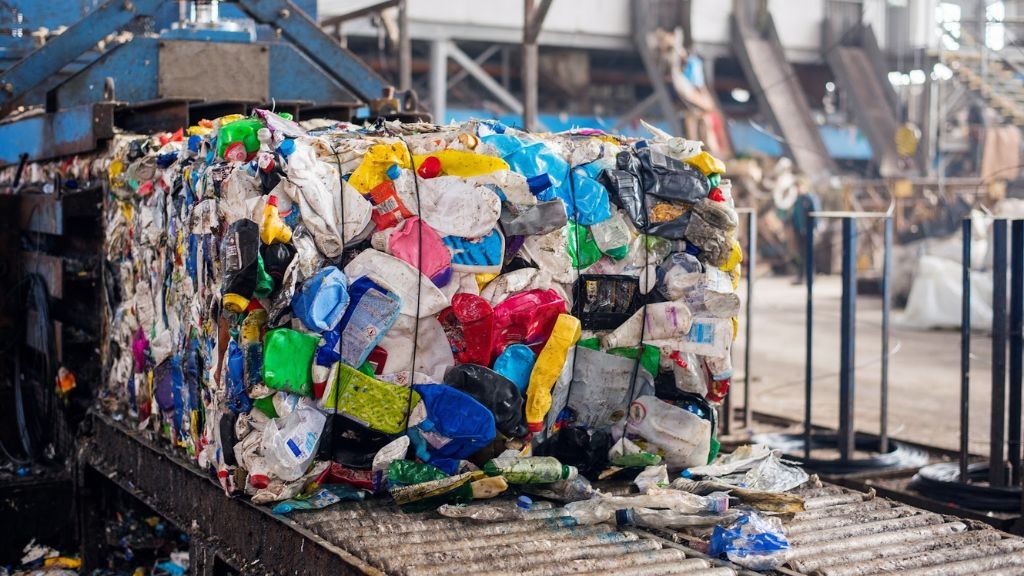
On January 30, 2026, the Federal Court of Appeal upheld the federal government's decision to list "plastic manufactured items" as toxic under the Canadian Environmental Protection Act (CEPA). As a result of the unanimous decision, Canada's Single-use Plastics Prohibition Regulations remain in effect, maintaining the ban on the manufacture and sale of single-use plastic items.
The decision provides long-awaited clarity by confirming that the legal foundation for the federal plastics ban is reasonable and will remain in force.
In a statement following the ruling, Canada's Minister of Environment and Climate Change and Nature reaffirmed the federal government's commitment to addressing plastic:
"This decision supports the findings of the Science Assessment of Plastic Pollution that plastic pollution poses a threat of harm to Canada's environment and gives the Government of Canada important tools to take informed action on plastic pollution...
Improving how plastics are made, used and managed is important to prevent plastic pollution and waste; build strong economies and supply chains that provide made-in-Canada solutions to environmental and market challenges; create jobs; spur innovation; and drive investment by governments and businesses in Canada."
The legal challenge originally brought forward by the Responsible Plastic Use Coalition (RPUC), and the subsequent appeal, contributed to a period of uncertainty for businesses across the packaging value chain making material and investment decisions over the past several years.
Reducing plastic waste through government initatives
With this decision, there is now clarity for both businesses and policymakers moving forward.
During this period, a number of federal initiatives under the government's Zero Plastic Waste Agenda, including proposals for a pollution prevention planning notice for primary food plastic packaging and potential recycled content rules, were on hold pending the outcome of the appeal.
With the Court's decision, the uncertainty that had placed these initiatives on hold has now been resolved. And while no new regulatory measures have been announced, the ruling paves the way for potential new policies or initiatives under the federal government's broader plastics and waste reduction agenda.
Industry responses to the Court's decision have varied across the packaging and plastics value chain.
The Responsible Plastic Use Coalition (RPUC), who launched the legal challenge against the federal government, indicated that it is reviewing the ruling and considering further legal options.
Meanwhile, the Chemistry Industry Association of Canada (CIAC) expressed disappointment with the decision, emphasizing the need for decisions to be based on substance-specific scientific risk assessments. Despite its concerns, CIAC stated they are committed to working constructively on addressing plastics:
"Our members are ready to work with governments and stakeholders to advance real solutions, including improved recycling systems, designing products for circularity, and scaling innovative technologies such as advanced recycling... A circular economy for plastics will only succeed if it is built on sound science, collaboration, and regulatory frameworks that follow the rules set out in law."
What the plastics and packaging industry can do to keep up with legal changes
While stakeholders across the packaging and plastics value chain seek to protect their sector's interests as policy frameworks evolve, the Court's ruling is clear, which raises a broader question for the sector: rather than pursuing further litigation, would it be more constructive to direct resources toward improving recycling systems, designing for circularity, and innovating how materials are made and managed?
With public and media attention on plastic pollution continuing to grow, progress is likely to depend more on advancing solutions than on continued legal action.
While packaging serves important functions in protecting and preserving products, communicating information, and facilitating transportation, growing environmental and health concerns should not be ignored. The question facing policymakers and industry is not whether materials have value, but how they are designed, recovered, and managed to minimize harm to the environment and human health.
The Court's decision brings legal clarity, but it does not resolve the broader environmental and policy challenges surrounding packaging and plastic waste. Addressing those challenges will require a focus on innovation, improved material design, stronger recovery systems, and collaborative policy development across the value chain; while recognizing the complexity of modern consumption patterns, global supply chains, and evolving waste management and recycling systems. No single material offers a complete solution, and responsibility is shared across the packaging value chain.
From PPEC's perspective — informed by decades of operating a circular economy for paper packaging long before it was widely recognized, driven not by regulation, but because it makes both environmental and business sense to use recycled fibres as a primary feedstock — progress will depend less on continued legal debate and more on how materials are made, collected, recovered, and reused in ways that protect both environmental and human health.
Notably, both the federal government and CIAC's statements point toward similar solution-based priorities: strengthening recycling systems, designing products for circularity, and scaling innovative technologies.
With the legal question now settled, the opportunity ahead lies in shifting focus from litigation to investing in the research, innovation, technology, and system improvements needed to deliver environmental and human health outcomes.