
A material handler built around the realities of scrap work
Brandt’s BMH60A reflects lessons learned directly from operators working in North American yards
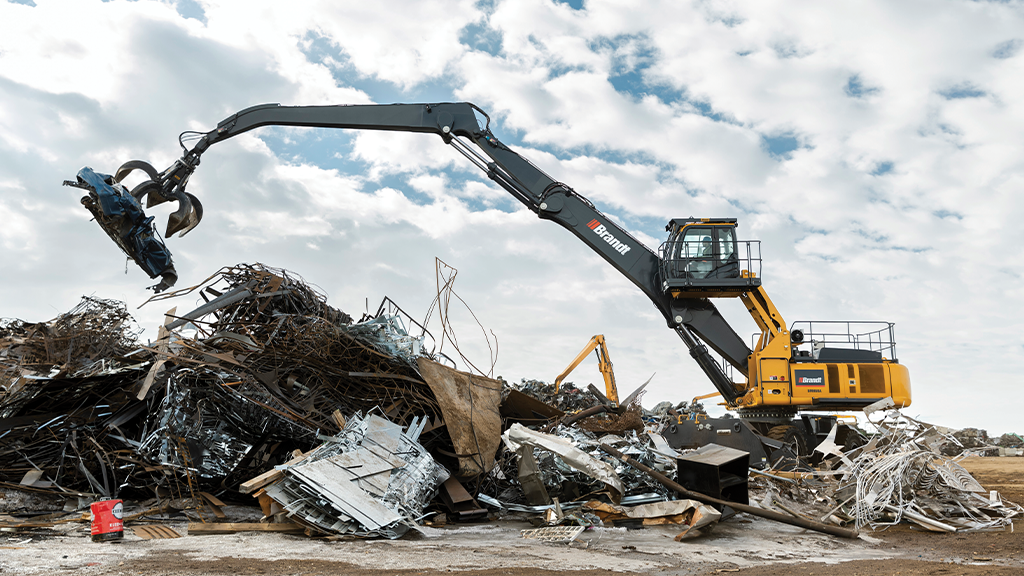
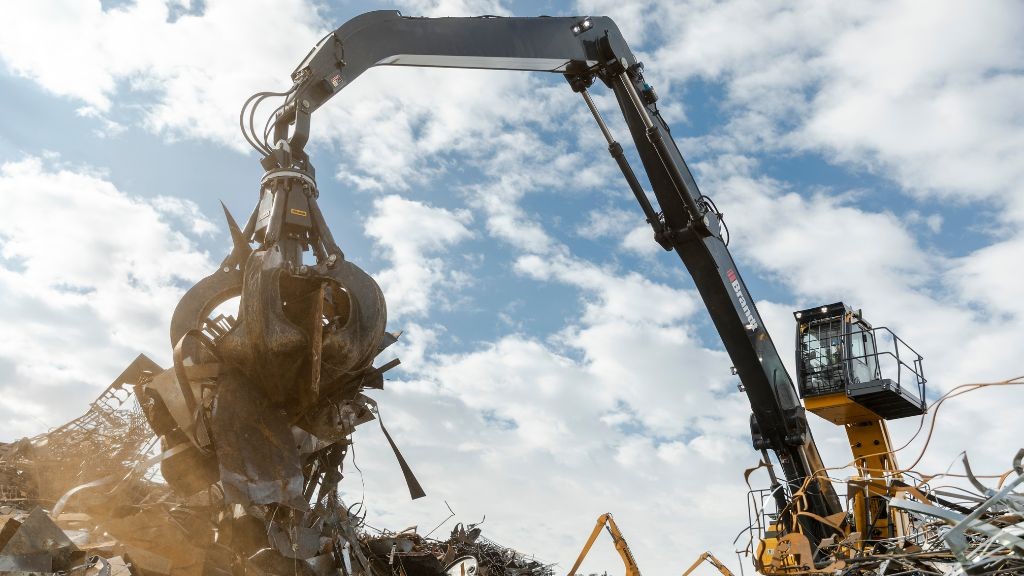
Built in North America, Brandt's BMH60A is a heavy-duty, 60-ton-class material handler designed specifically for the kind of work that steel manufacturing and scrap metal recycling facilities face every day: moving dense scrap, loading railcars, and keeping processing moving without interruption.
What makes the BMH60A unique is how Brandt approached its design. Instead of trying to adapt a machine from another market, the company built this one from the ground up with input from operators and contractors who work in North American scrap and recycling yards.
Built with familiar power
The BMH60A is powered by a Tier 4 Final John Deere PowerTech PSS 9.0-litre engine delivering 271 hp at 1,900 rpm. It's the same proven platform found in many John Deere machines already at work across North America, so both operators and mechanics will find it familiar.
That familiarity also extends to parts and service. Since the components come from John Deere's North American supply network, replacements are easy to find, and downtime is shorter. Jason Klassen, senior VP of sales for manufactured products at Brandt, says that was intentional. "Locally accessible parts and service are a real game-changer for the industry. It will have a huge impact on uptime, because you won't have to wait for parts coming from overseas."
Designed for scrap
Brandt built this machine with the realities of scrap work in mind. The boom and arm are made from high-strength steel, with hydraulic lines routed inside for protection. The straight boom and droop-nose arm give it the right geometry for digging into piles and sorting mixed material.
At 117,000 pounds, the BMH60A moves smoothly due to its dual variable displacement hydraulic pumps and electronic-over-hydraulic controls. These systems give operators quick cycle times without jerky movement.
Small details that save fuel
The machine's energy recovery system helps offset the weight of the boom and arm, which cuts down on fuel use when lifting. Auto-idle and auto-shutdown features also help conserve fuel when the machine isn't active. Operators can choose between preset power modes depending on whether they want to focus on fuel savings or performance. Over a long shift, those details add up. Less fuel burned means lower operating costs, and fewer engine hours spent idling means longer service intervals.
Safe and simple maintenance
Full-perimeter handrails run along the top of the machine and cab platform, so operators can maintain three-point contact while doing daily checks. There's ground-level access on all four sides, and the main service points are easy to spot.
To protect operators and the machine itself, the BMH60A comes with polycarbonate front glass, a Falling Object Guard on the cab roof, and optional ballistic window glazing for added protection. Rotary encoders monitor the boom and arm position and automatically slow movement if the grapple gets too close to the cab.
Thought-out comfort
Inside the cab, the seat is heated, cooled, and air-ride adjustable, and all controls are positioned to reduce hand movement. The hydraulic cab riser can lift the operator's eye level to almost 22 feet, giving a clear view into railcars and trailers.
Joystick steering comes standard, and with no steering column in the way, there's more legroom and better visibility. Rear and boom-side cameras cover blind spots, and the images show up on separate screens, so there's no need to toggle views.
Built for movement
The wheeled undercarriage gives the BMH60A flexibility to move from pile to pile. A two-speed, all-wheel-drive transmission offers a top travel speed of about 15 km/h, and the large outrigger pads help keep it stable on soft ground. Operators can control each outrigger individually or in sync, depending on the conditions. Full drivetrain guarding protects the key components underneath, and the swing-away panels make maintenance faster.
Input from the field
Brandt's design process for the BMH60A was hands-on. The company worked directly with scrap and recycling professionals to get feedback before locking in the final design. Chris Semple, president of manufactured products, says that collaboration made a difference. "We collaborated with the people who would be using this machine to ensure it would improve productivity, reduce downtime, and provide a lower cost of operation."
This article originally appeared in the November/December issue of Recycling Product News.