

Catalytic converters get a new life with EPA-approved recycling program
Accurate Recycling's certified resale program reflects a broader shift in the industry
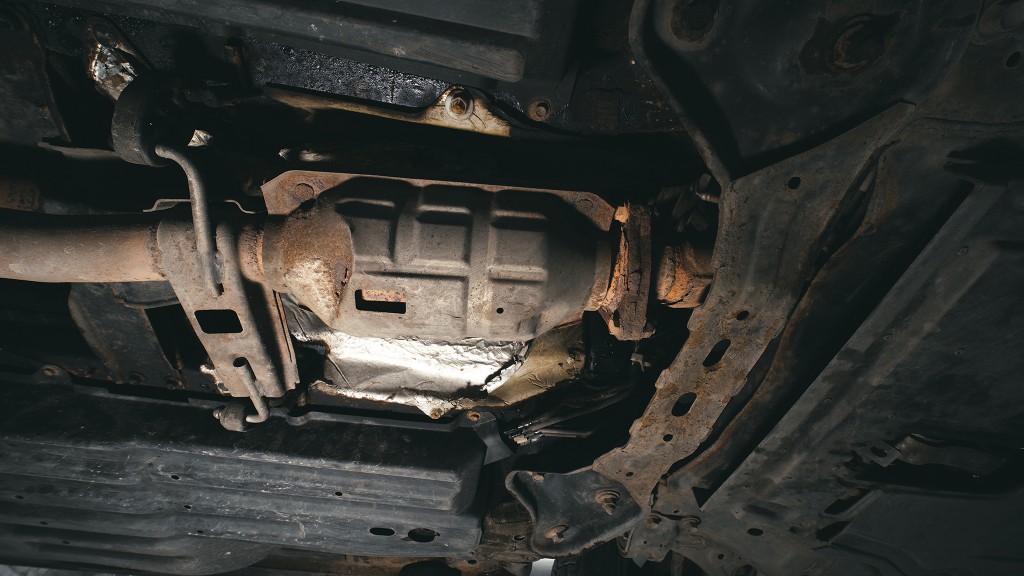
The catalytic converter recycling industry, long defined by metal recovery for end-of-life dismantling, is entering a new phase — one that builds on the traditional model while offering a new part to sell.
Accurate Recycling's recently launched Certified OEM Converter Program is fully operational with live inventory available to the automotive recycling sector. This development reflects a broader shift within the industry: converters are no longer seen exclusively as scrap commodities. Select units can now be tested, cleaned, and recertified to meet EPA standards, making them suitable for resale as functioning, emissions-compliant auto parts.
Two markets, one supply chain
Historically, the value of catalytic converters was tied directly to their platinum group metals content. This remains a key part of the industry and continues to serve recyclers well. However, this new program adds an additional layer of opportunity by introducing a compliance-backed resale path for converters that meet strict criteria.
The model is not intended to replace scrap-based refining, but to enhance it by identifying and isolating converters that have remaining life and meet EPA recertification requirements. These units are restored to a resale-ready condition and are catalogued in a virtual inventory system, allowing them to be sold similarly to other used OEM parts.
EPA-certified recertification process
Under the United States' Title 40 CFR Part 85, Subpart V of the Clean Air Act, the sale or installation of used catalytic converters is only legal if the unit is properly tested, cleaned, and recertified to meet original emissions standards. Accurate Recycling, in partnership with its certification and testing providers, is currently the only entity operating under an EPA-approved recertification process.
Each converter in the program is:
- Sourced from known, traceable end-of-life vehicles.
- Matched to a vehicle application via VIN-based identification.
- Cleaned, tested, and labelled to verify EPA compliance.
- Added to a national inventory system with fitment and part number data.
This creates a verified chain of custody and ensures compatibility with the vehicles for which they are recertified.
VIN-based targeting is a strategic advancement
A key feature of the program is the use of VIN data to identify donor converters before removal. This approach ensures regulatory compliance and enables recyclers to better assess whether a converter should be directed to the scrap stream or held for recertification and resale.
Industry observers note that this method also has potential spillover effects. By focusing on VIN-specific components, recyclers may also begin to identify other high-value OE parts suitable for resale, further expanding the range of what is salvageable beyond converters.
Common risks of uncertified converter sales include:
- High failure rates and emissions compliance issues.
- Fitment problems due to a lack of labelling or part tracking.
- Legal liability for non-compliant installations.
- Damage to brand reputation among customers and repair networks.
The Certified OEM approach seeks to address these concerns through rigorous quality control, documentation, and compliance.
Metal recycling industry implications
This development marks an important milestone in the maturation of the converter recycling industry. By offering a dual-path mode — metal recovery for most units and certified resale for others — recyclers and dismantlers can better align with both environmental goals and emerging revenue opportunities.
As more focus is put on environmental regulations, aftermarket converters are a sub-performing product. They provide only 10 percent of the emissions performance of the OEM units and often don't even turn off the check engine light. With this new alternative, Certified OEM converters will become an increasingly important option for businesses looking to stay ahead of compliance and value trends.
This article originally appeared in the September/October 2025 edition of Recycling Product News.