
How lithium-ion fires create hidden risks for recyclers
Tailored fire suppression methods are needed to keep MRFs and scrap yards safe after battery fires
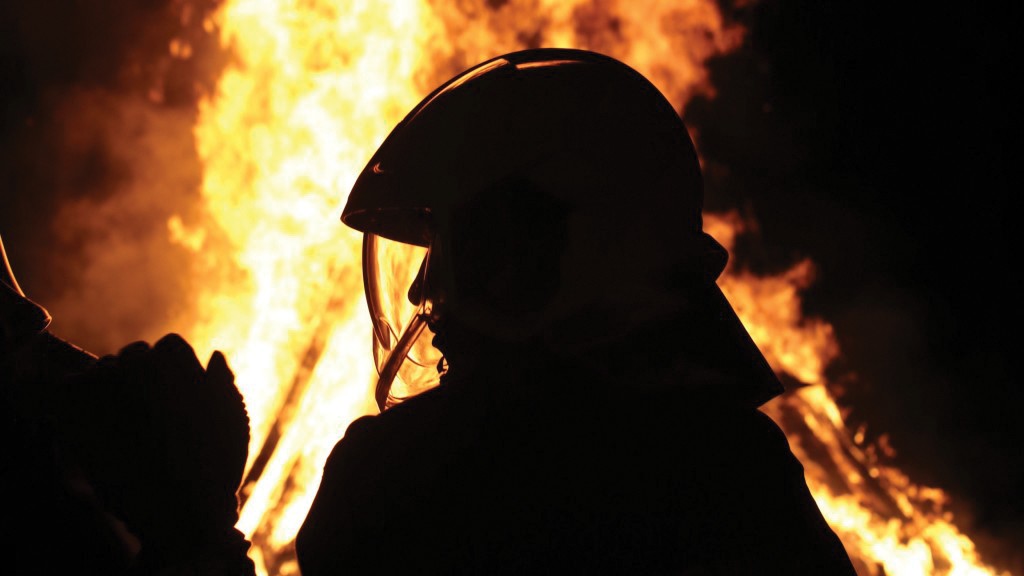
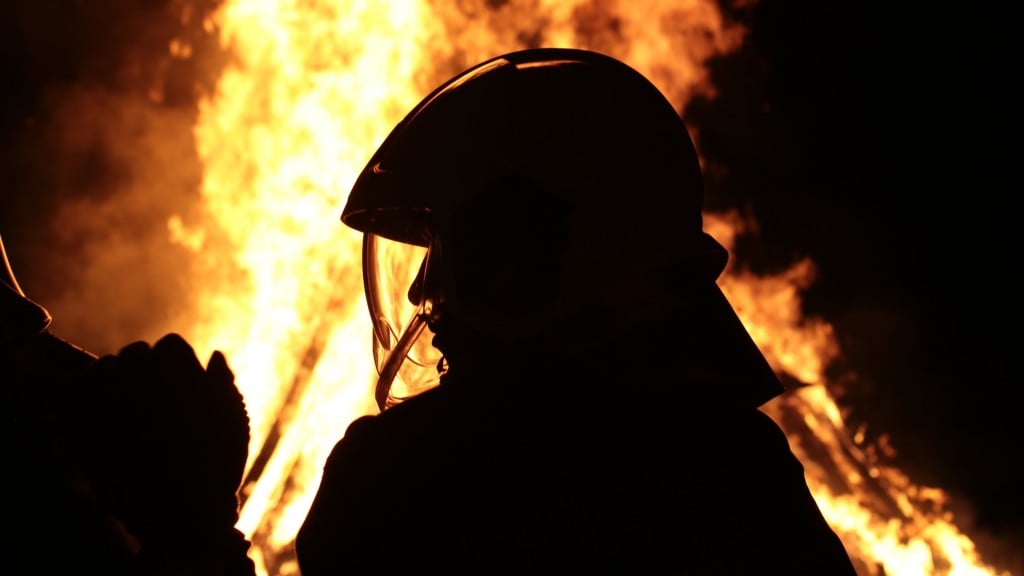
When a lithium-ion battery ignites in a scrapyard or material recovery facility (MRF), most operators focus on the visible danger: the flames, the smoke, the rush to extinguish. But Randy Narine, president and CEO of Clean Core Research and an active firefighter, wants the recycling industry to understand a deeper truth. Lithium-ion battery fires behave differently from traditional fires and require entirely different suppression methods.
"You know, this is the biggest education point that I'm trying to get out there," says Narine. "The fire is one piece. The structure collapse is another. The biggest concern for me is the actual chemical release; identifying what's been exposed, cleaning it up, and mitigating that risk."
Through extensive research, Narine and his team have confirmed what many recyclers may not realize: the combustion byproducts from lithium-ion batteries, including hydrofluoric acid, hydrogen chloride, and other volatile organic compounds (VOCs), can corrode metals, saturate protective gear, damage sensitive equipment, and even compromise the quality of outgoing recycled materials. And that's just the beginning.
Fires are on the rise, but awareness is not
How common are lithium-ion fires becoming? "That's the number we're trying to get a hold of," says Narine. "I can tell you that the fires have increased. I think the number that was given was close to 40 percent year over year [in Toronto]." That increase is attributed 100 percent to lithium-ion battery fires.
And yet, many scrapyards and recyclers continue to treat battery-related fires like any other type of fire incident.
"A lot of them aren't even going through insurance anymore," Narine explains. "They know if they have another insurance claim this year, their insurance is going up. So they're not even bothering. The fire's out, and they move on."
But as Narine makes clear, moving on without proper postfire assessment could have long-term operational and financial consequences.
What recyclers aren't seeing
In 2024, Clean Core Research conducted an investigation following a lithium battery fire in a residential setting. The fire had been extinguished quickly, but within days, electrical panels began showing signs of corrosion, even in parts of the home that hadn't been touched by flames. Tools rusted. Outlets degraded. HVAC systems tested positive for chemical contamination.
That same kind of hidden damage, Narine says, can occur in scrapyards and MRFs.
"The byproducts create some serious oxidation," he explains. "And it will rust metal at an astronomical rate."
Even worse, those byproducts can infiltrate every corner of a facility. In one case, following an e-bike battery fire in an indoor facility, Clean Core investigators found contamination levels as high as 17 grams per square metre, even 100 metres from the burn site, far above the National Institute for Occupational Safety and Health (NIOSH) working limit of 0.5. "That is dangerously deadly," says Narine.
In line with common practice, the insurance provider did not require a comprehensive decontamination, and within days, several staff members working in the area became ill.
When the smoke clears, the threat lingers
Narine says MRF and scrapyard operators often overlook how soot and residue from these fires cling to soft goods and sensitive materials.
"There are metal particulates, VOCs, and carcinogens that [become] embedded into fabrics," he says. That includes gloves, coveralls, high-vis vests, seating upholstery in cab equipment, HVAC filters, and even foam packaging in incoming e-waste.
"Standard PPE laundering isn't enough. You can't just wipe it off," he says. "You're going to need proper decontamination. Otherwise, your gear is still toxic. And if you're putting that on again the next day, you're breathing it in."
Narine emphasizes that the corrosive effects of lithium fire residue are ongoing. "I've seen stuff reacting a month later," he says. "We don't have an answer to how long it keeps acting for. It could be forever. That's the research we're trying to do right now."
He adds that recyclers, in particular, need to understand how these fires can compromise material quality. When lithium- ion batteries combust, the corrosive byproducts don't just settle on surfaces; they actively degrade them. Metals exposed to soot and gases like hydrofluoric acid and hydrogen chloride begin to oxidize rapidly, often within hours or days. This can result in pitting, rust, and structural weakening, rendering high-value ferrous and non-ferrous materials less marketable or entirely unusable.
Even more concerning is that affected materials may leave the facility before the damage becomes apparent. In some cases, contaminated scrap has been shipped to clients, only to be returned or rejected due to unexpected corrosion, damaging both business relationships and a recycler's reputation. For facilities that rely on the resale of clean, high-quality recovered metals, these types of incidents can have a lasting financial impact.
And it's not just metals. Residue from lithium fires can also compromise the integrity of plastics, rubbers, coatings, and composite materials often found in e-waste and automotive components. Without proper testing and decontamination, these materials may continue to degrade even after they've been processed and sold.
Prevention and containment
So, realistically, what should facilities be doing? For Narine, it all starts with a mindset shift. "Dealing with batteries is not hard. It's actually really easy. It's a fundamental shift in thinking," he says. These fires follow a different chemistry than conventional ones and demand a tailored response.
Step one is risk assessment. "A basic assessment will minimize your risk," he says. "We come in and identify the [specific battery-related risks]. Then we create procedures for how to deal with [those risks], how to store materials safely, and how to keep them in your operation in a way that doesn't hinder your workflow, but also doesn't shut you down if there's an incident."
Containment is critical. In the case of lithium-ion battery fires, the goal is not always to extinguish the flames immediately but to prevent the spread of heat, gases, and corrosive by-products to surrounding materials and structures. Proper containment solutions can buy valuable time for safe evacuation and emergency response while minimizing the extent of environmental and equipment damage.
"The keyword is containment, not extinguishment, because most times we just let it burn out by keeping it contained," Narine explains. "But I would never tell any company out there to have their staff do this. [Their role] is creating a safe environment for [their team] to get out and for the first responders to come in."
Testing, cleanup, and long-term response
After a fire, the next steps should include more than replacing damaged items or sweeping ash. Residue from lithium-ion battery fires can be chemically active long after the flames are out, and failing to address it can lead to contamination, equipment failure, or regulatory violations.
"Soil sampling is a major component of it, especially if you've given water to the fire," says Narine. "Environment Canada is taking this seriously. We had one case where six dump trucks of soil had to be dug up and sent out for disposal."
But soil is only the beginning. Recyclers should also test HVAC systems for contamination, inspect electrical panels and wiring for corrosion, and assess whether soft goods like PPE, seat upholstery, and filters need to be removed or replaced. Materials in the immediate and surrounding areas may need to be swabbed or scanned for chemical residue, even if they appear visually undamaged. Air quality testing, corrosion monitoring, and moisture level assessments are also recommended, particularly in enclosed or poorly ventilated spaces.
Narine explains that many operators are unaware that Transport Canada and Environment Canada may inspect their site after a lithium fire. "You don't want them to start sampling, because that's when the fines come in, and they get heavy." In some cases, failure to act quickly or document proper cleanup can trigger long-term liability concerns.
For recyclers trying to stay operational, Clean Core Research provides detailed site assessments, cleanup guidance, and coordination support without pushing products. "We're not there to sell anything. We're there to work with companies. We're trying to do the right thing and do so within their budget," says Narine. "A basic assessment can go a long way in helping stay ahead of this.
What recyclers need to know
While Narine frequently works with major manufacturers and energy clients, he's equally committed to supporting small and mid-sized operators. "I always say, even Bob's junkyard needs to know this stuff," he says.
Narine urges recyclers and scrapyards to take proactive steps before a lithium-ion battery fire forces their hand. Too often, facilities only implement safety protocols after an incident. But by then, the damage is done. From risk assessments and containment strategies to proper staff training, early action is key to minimizing risk, avoiding regulatory penalties, and protecting long-term operations.
"Companies need to adapt, and they need to adapt now," he says.
What's the one thing he wishes every recycler and scrapyard operator understood?
"The event is not over just because the fire is out."
This article originally appeared in the September/October issue of Recycling Product News.