
Partnership simplifies foam recycling through scalable models and smart infrastructure
Circular Colorado and Polystyrene Recycling Alliance will develop a statewide collection model for post-use EPS
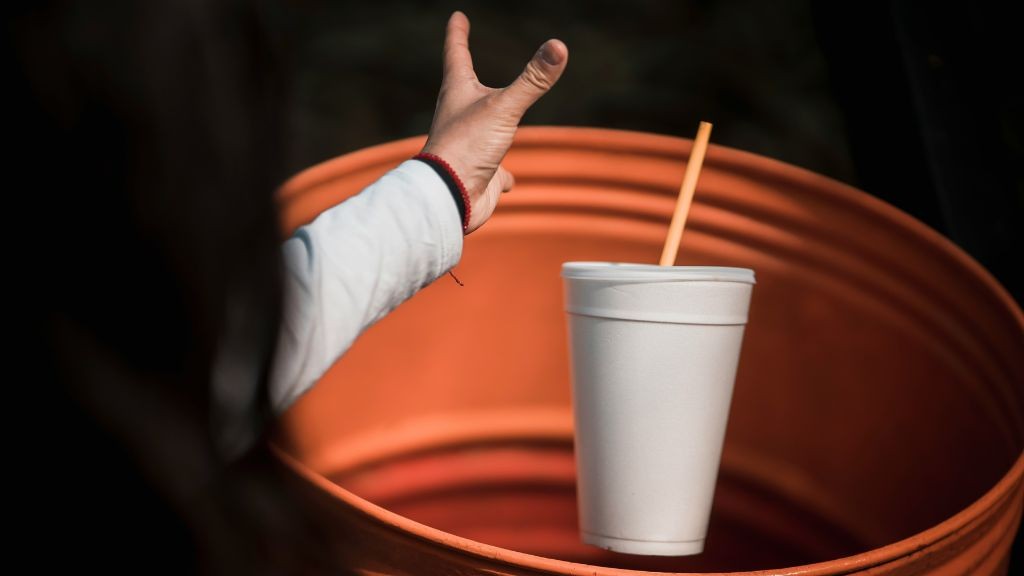
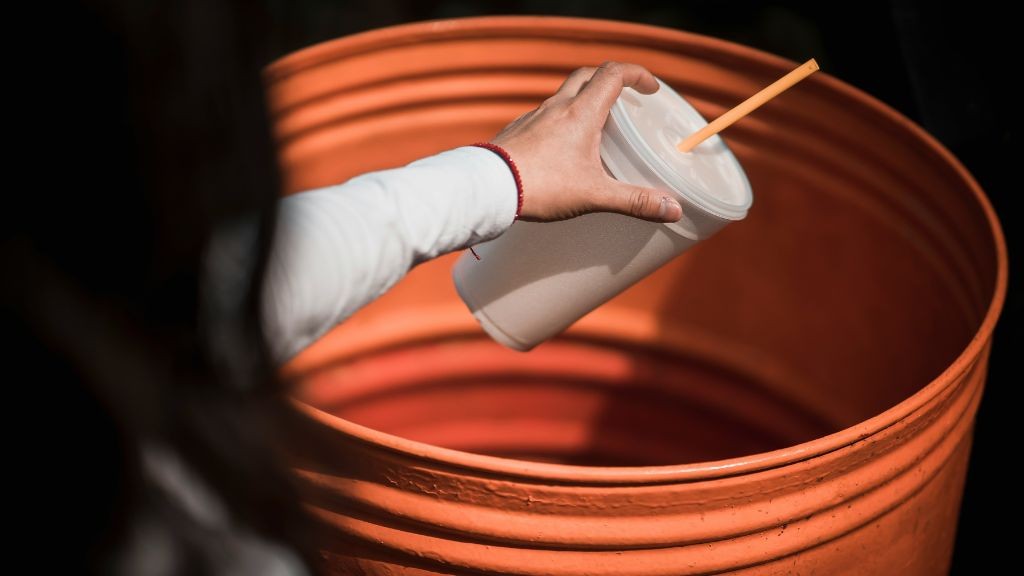
Circular Colorado is partnering with the Polystyrene Recycling Alliance (PSRA) to make it easier for communities across the state to recycle expanded polystyrene (EPS), the lightweight foam packaging commonly used to protect appliances, electronics, and other goods.
The partnership is designed to develop replicable, statewide collection models for post-use EPS generated from a variety of applications and transport it to existing end markets.
At the heart of this new effort is Circular Colorado's Circular Transportation Network (CTN), an innovative system that collects recyclable materials from rural and underserved communities and delivers them to centralized processing hubs. Developed by Circular Colorado for the Circular Economy Development Center (CEDC), the CTN is designed to solve one of the toughest problems in recycling: how to get materials from places that generate small amounts, like rural towns or small businesses, to places that can process and reuse them.
EPS collected through the CTN will be transported to a facility along Colorado's Front Range, where it will be densified and prepared for shipment to domestic end markets that can put it back into use—helping turn what's often seen as waste into a useful resource.
Circular Colorado will work with its existing CTN partners and expand to new communities, focusing on the types of EPS that are clean, consistent, and commercially viable. The organization will also help identify what each community needs to participate in, from collection bins to training or equipment and provide support in finding funding where needed.
Scaling the circular economy
The collaboration is part of a larger push by both organizations to make circular systems work for more materials and more people. By focusing on scalable models and smart infrastructure like the CTN, they hope to show that circular economy solutions can be practical, local, and impactful.
As part of the initiative, Circular Colorado will engage its existing municipal and commercial partners while expanding outreach to additional communities that generate the targeted types of EPS. This engagement will include identifying and addressing local barriers to participation, such as the need for collection bins, densification equipment, or staff training. Where infrastructure gaps are identified, Circular Colorado will support communities in pursuing grant opportunities.
"Our mission is to build inclusive, efficient circular systems—and this partnership helps make that real," said Laurie Johnson, founder and CEO of Circular Colorado. "Together, Circular Colorado and PRSA are showing that recyclable materials like EPS can have a place in the circular economy when you bring the right partners and infrastructure together. We're excited to put the CTN network to work in a new way."
"This partnership represents a major milestone for the circularity of expanded polystyrene," said Richard Shaw, Chair of the Polystyrene Recycling Alliance. "By working with Circular Colorado, we're connecting previously overlooked materials to existing recycling infrastructure. We're proving that EPS is not just recyclable in theory—it's recyclable in practice, at scale, and with viable end markets."