
Why more scrap yards are adding pre-shredders to their lines
Pre-shredding marks a shift toward system-wide efficiency over individual machine output
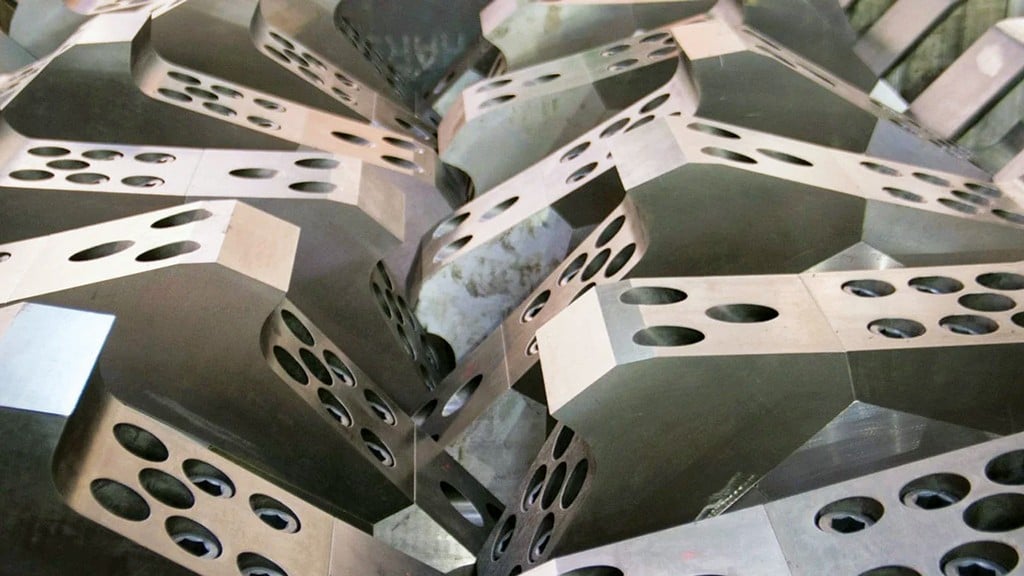
As scrapyards face heavier loads and more complex material than ever, many recyclers are rethinking their processes. Feeding raw, unprocessed scrap directly into primary shredders has been the standard, but it carries hidden costs. High wear rates, unshreddable contaminants that damage equipment, and inconsistent throughput all reduce productivity which is why more recyclers are turning to pre-shredders as a smarter front-end solution.
Pre-shredders reduce the size of incoming material and filter out hazardous materials early, creating a steadier flow before material reaches the main shredder. This protects downstream equipment, extends wear life, and improves overall efficiency. For processors focused on maximizing uptime, lowering energy use, and getting the most from every ton, pre-shredding is no longer an optional add-on. It's a strategic investment in the health and profitability of the entire shredder line.
Safety starts upstream
Shredder safety isn't just about emergency stops and guarding. It starts upstream, where smarter design and better control help prevent dangerous conditions from occurring in the first place. Incidents like explosions, fires, and equipment damage are often the result of how materials are introduced into the system, not just how the system reacts once something goes wrong.
The LINDEMANN EtaRip pre-shredder, for example, tackles one of the most critical risks in shredding: deflagration. When scrap is loaded into a main shredder without any pre-processing, materials like fuel residues, pressurized components, or pockets of flammable vapour can ignite under sudden, high-impact force.
The EtaRip addresses this by tearing material apart slowly and methodically, instead of pulverizing it at high speeds. This controlled breakdown of things like end-of-life vehicles and metal bales also results in a more even and predictable infeed, setting the stage for a safer shredding process overall.
Minimizing deflagration risk doesn't just protect the main shredder — it helps protect workers, reduce emergency shutdowns, and extend the lifespan of surrounding equipment. It's far safer for these incidents to occur in the pre-shredder than the primary shredder, since the controlled environment of a pre-shredder reduces the force and intensity of explosions. Containing these events early on in the process protects the primary shredder downstream, minimizes the chance of injury, and reduces the likelihood of starting a fire in the facility.
Advanced automation
Automation is playing an increasingly large role in keeping operations efficient and reliable. Smart systems that can monitor and adjust equipment in real time help recyclers respond quickly to changing conditions, protect critical machinery, and reduce expensive downtime.
The Zato Blue Devil embodies this trend by pairing mechanical design with advanced automation. Its built-in PLC system continuously monitors shredding conditions, automatically adjusting shaft speed to match material resistance. When the system detects overloads or unshreddable items, it can instantly slow or reverse shaft rotation to protect critical components like blades and shafts. This kind of response is vital for recyclers dealing with heavier, more varied types of scrap that can otherwise cause unexpected damage or shutdowns.
Beyond automation, the Blue Devil leverages augmented reality (AR) technology to enhance service and maintenance. Technicians can remotely guide operators through set-up, troubleshooting, and routine checks using AR overlays. This remote assistance cuts down service travel and reduces interruptions to daily operations.
Pre-shredding on the move
Mobile pre-shredders offer flexibility by processing materials wherever it makes the most sense: beside infeed piles, at remote yards, or on temporary sites. With no need for permanent foundations or fixed power, these machines help reduce loading and transport costs while also responding quickly to shifting demands.
For mobile shredding needs, Bano's Ripper Frank is a two-shaft pre-shredder designed for light ferrous and non-ferrous scrap. Modular and transportable, it can be repositioned as operations evolve or scale up, giving scrapyards greater control over material flow and facility layout.
This adaptability is crucial as scrap streams continue to change and customer demands shift. Mobile pre-shredders allow recyclers to stay agile, respond quickly to market changes, and maximize throughput without costly infrastructure investments. They're a practical solution that aligns well with the constantly evolving nature of modern scrap processing.
Setting the stage for sustainability
The shift toward pre-shredding reflects a broader trend in scrap processing — prioritizing overall system efficiency rather than individual machine output. As recyclers look to boost recovery rates and reduce wear, front-end material processing is becoming less of an option and more of a necessity.
Ultimately, pre-shredding transforms the entire shredder line into a more cohesive, resilient system. It enhances recovery rates by ensuring that downstream equipment can operate to its full potential. With modular designs, advanced automation, and mobile options now widely available, recyclers can tailor their pre-shredding solutions to meet specific operational needs and scale as necessary.
In a market where margins are tight and uptime is critical, the benefits of pre-shredding go beyond improved throughput — they translate into greater profitability and a more sustainable future for scrap processing operations.