

Scaling textile recycling in a fast-fashion world
Reclaimed Cleaning Textiles CEO Craig McAndrews discusses the company's goal to divert 100 million pounds of textiles from landfills annually
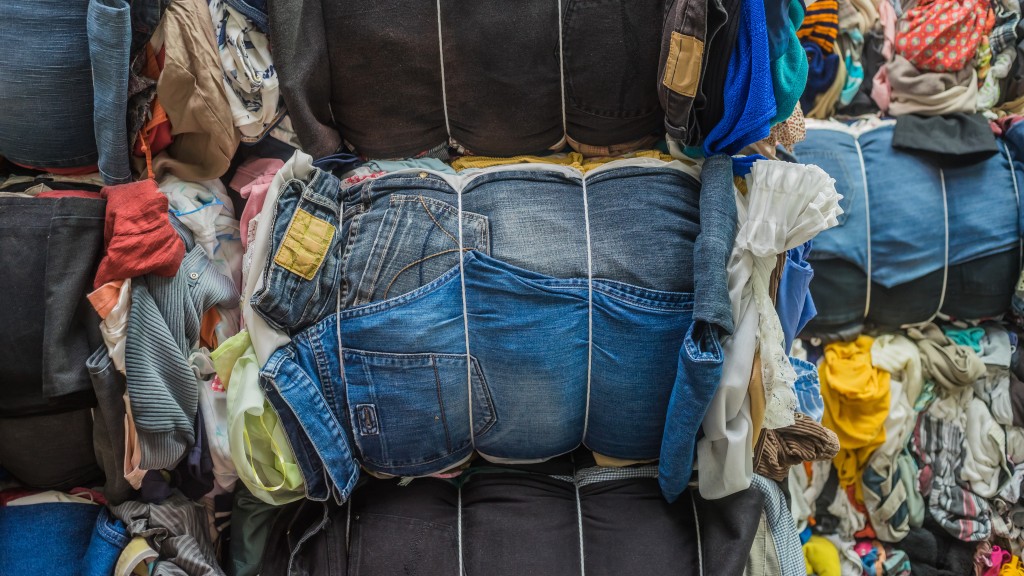
As fast fashion churns out more clothing than ever, recyclers are racing to find innovative ways to keep used textiles in circulation. The surge in second-hand clothing markets across the globe and heightened sustainability commitments from manufacturers are fuelling industry growth, but this also comes with its challenges. Recyclers must navigate the sheer volume of waste, fluctuating market prices, and the need for advanced processing technologies to stay competitive.
At the forefront of this is Reclaimed Cleaning Textiles, which aims to divert 100 million pounds of textiles from landfills annually. As the largest textile recycler in North Texas, Reclaimed is scaling its efforts to create a sustainable business model that meets the growing need for textile recycling solutions in the U.S. I caught up with President & CEO Craig McAndrews to talk about developments in the industry and how he and his team are working to meet this demand.
Slone Fox: What key factors are driving growth in the global textile recycling market right now?
Craig McAndrews: The growing supply of textile waste continues to drive recycling efforts and challenges the industry to find innovative ways to process the excess. Populations continue to grow in many export countries, which increases the demand for second-hand clothing options. In addition, the stronger demand for housing has resulted in a higher demand for reclaimed janitorial products, which is a sub-market of the textile recycling business.
SF: What are the biggest challenges facing textile recyclers today?
CM: It's a challenge to keep up with the supply of discarded textiles, which is why our company has been working to expand our capacity. This expansion includes new facilities, machinery, and trained labour to provide service to organizations on the front lines of the supply. The high supply also puts pressure on recycled textiles pricing, making it difficult to invest in innovation. Our company is working with key customers and suppliers to develop new products and new packaging methods to meet these business changes.
SF: What's helping you achieve your goal of diverting 100 million pounds of textiles from landfills annually?
CM: Our strategies are built on three pillars: capacity expansion, distribution innovation, and long-term partnerships. First, we're expanding our operations to handle a larger volume of incoming materials. By investing in sorting and processing technologies, our expanded facilities can efficiently process more material, ensuring that textiles are repurposed rather than ending up in landfills.
Second, we're diversifying our distribution channels. We're exploring new avenues — from geography expansion initiatives to new marketplaces — that help us reintroduce reclaimed textiles into the market. This approach not only extends the life cycle of these materials but also supports the circular economy where products are continuously given new life.
Finally, building long-term partnerships is essential to our future. We're looking to collaborate with textile manufacturers and retailers, aligning our efforts with their sustainability goals. These long-term relationships enable us to share innovative recycling techniques, streamline logistics, and implement best practices that benefit both our partners and the environment.
SF: In your opinion, what are the biggest misconceptions about textile recycling?
CM: A common misconception is that U.S. textile waste is merely dumped into underdeveloped countries, creating environmental and social burdens. In reality, most textiles sent overseas support a thriving second-hand clothing market. This market is vital — it provides low-income communities with access to high-quality apparel that still has significant life left, making sustainable fashion both affordable and accessible.
SF: Where do you see the textile recycling industry in the next five to ten years?
CM: The push toward a closed-loop system is gaining momentum as companies are increasingly prioritizing strategies that extend the life cycle of textiles. Our goal is to be a resource with the infrastructure in place to take advantage of future opportunities. We also anticipate the rapid introduction of automation and new recycling technologies that will help with processing materials. New techniques in material recovery and chemical recycling are expected to make textile recycling more economically viable. Long term, there will likely be more collaboration across the entire supply chain, resulting in a stronger infrastructure for getting the most out of every piece of discarded textile.