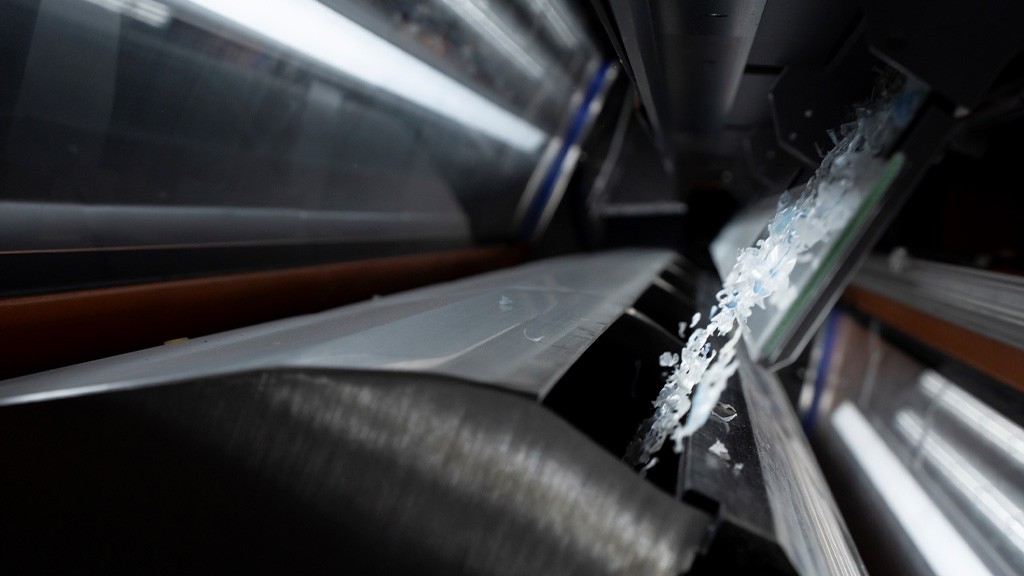

Non-recycled plastics in Canada could supply enough energy to power close to 500,000 homes
A new study carried out by the School of Planning of the University of Waterloo on behalf of the Canadian Plastics Industry Association (CPIA), has determined that if all of the non-recycled plastics that are put into Canadian landfills each year were converted to energy, using technologies currently available, the energy would be sufficient to provide fuel for over 600,000 automobiles annually, or almost half a million homes.
“Plastics, being hydrocarbons, have energy values substantially higher than coal and almost as high as natural gas and oil,” said Professor Murray E. Haight, one of the authors of the study.
The study estimated that if all the non-recycled plastics were converted to fuel oil, using the technology called pyrolysis, it would produce almost 9 million barrels of oil equivalent to a value of $786 million. Alternatively if all of our non-recycled plastics were separated from other wastes and used as fuel in specially designed power plants, the electricity produced would be sufficient to supply almost 500,000 Canadian households annually.
“After use, plastics should be recycled to the full extent possible. For non-recycled plastics, they can be re-purposed to be a valuable energy source. Recovering this energy complements recycling and is a better option to landfilling energy,” said Cathy Cirko, VP of the CPIA.
Contact the CPIA for access to the full study “Energy and Economic Values of Non-Recycled Plastics (NRP) Currently Landfilled in Canada”,