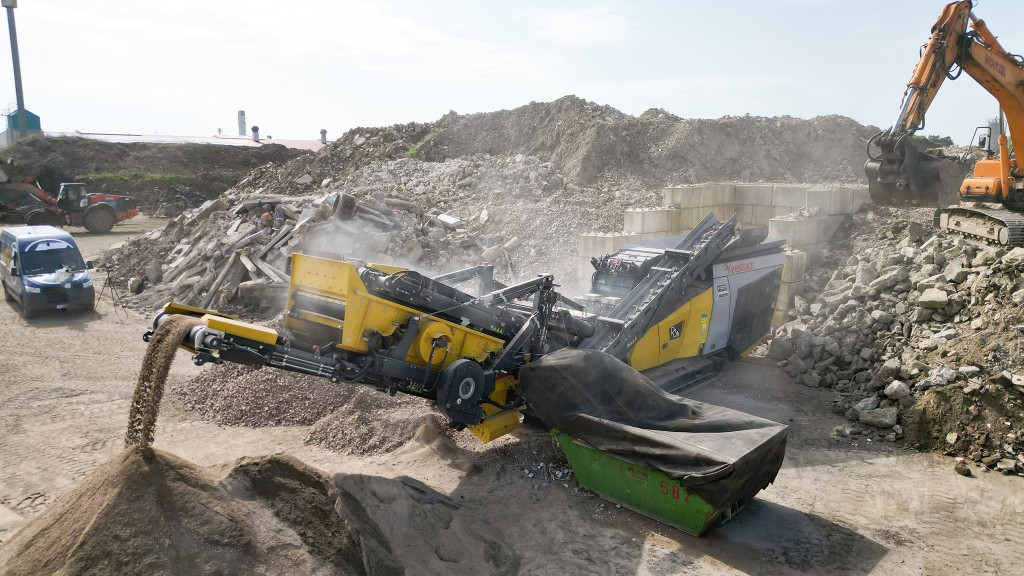

10 questions to ask before buying a mobile impact crusher
How to choose a mobile impact crusher for performance, cost efficiency, and long-term reliability in C&D recycling operations
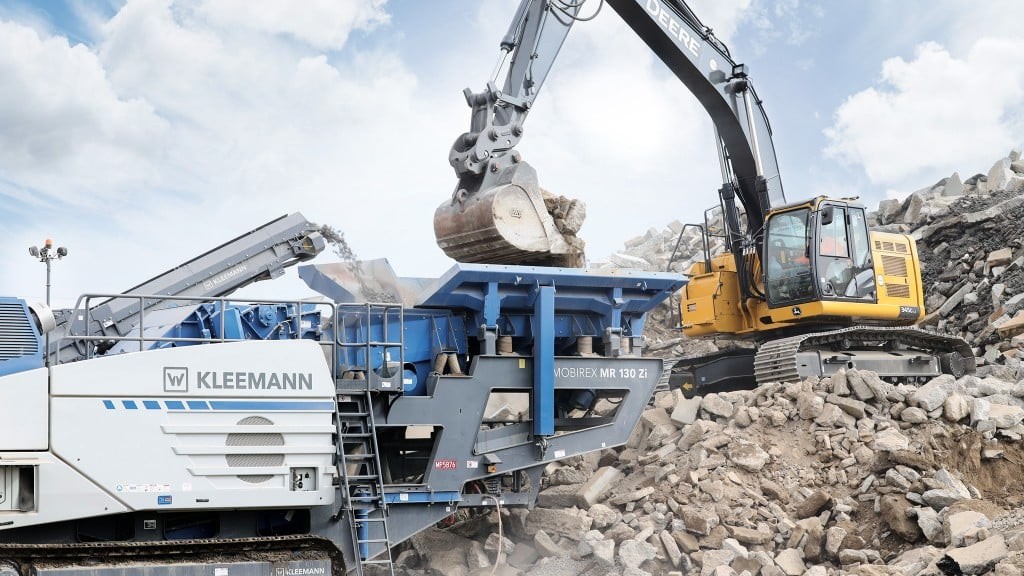
Choosing a mobile impact crusher is one of the most consequential equipment decisions a recycling or demolition operation can make.
The right machine drives throughput, controls costs, and keeps your operation competitive. The wrong one costs you in downtime, wear parts, and lost production. These ten questions will guide you to the right choice.
1. What material will you process, and at what volume?
Start with the fundamentals. Identify whether you will be crushing concrete, asphalt, natural rock, or mixed C&D debris, and calculate projected cost per tonne — factoring in fuel, wear parts, and maintenance. Define your target output size and quality requirements before evaluating any machine.
Capacity and suitability flow directly from these answers. While impact crushers, compact crushers, and cone crushers are common first-pass choices, abrasive or oversized material may require a secondary tool such as a jaw crusher to achieve finer end-product sizes. Confirm that any crusher you evaluate can consistently produce your required output spec.
2. What environmental conditions and power options apply to your site?
Understand the local regulatory environment before you buy. Noise limits, dust emissions, and exhaust standards vary by jurisdiction — and crushing concrete or potentially toxic demolition waste can trigger additional compliance requirements.
Assess whether electric power is available and cost-effective at your primary job sites. Electric and hybrid mobile crushers offer operational and emissions advantages in certain settings, and as diesel costs and emissions regulations tighten, power source flexibility is increasingly worth factoring into your total cost of ownership.
3. What are the key technical specifications?
Engine horsepower, rotor weight, and blow bar size determine crushing power. Hopper capacity, feed height, total machine weight, and overall dimensions affect how the machine fits into your operation and how easily it can be transported between job sites.
Verify transportability within your existing fleet before committing.
4. What type of rotor drive does the crusher use?
Direct drive, electric drive, and hydraulic drive each carry different trade-offs in power delivery, fuel consumption, and maintenance complexity. Match the drive type to your operational priorities — whether that is simplicity, fuel efficiency, or flexibility across varying applications and material types.
5. Can the crusher track while it crushes?
Some mobile impact crushers can reposition while actively crushing — a significant operational advantage on busy job sites where equipment is constantly moving. If your operation involves frequent repositioning, this capability can meaningfully reduce downtime and labour.
6. How does it integrate with your existing equipment?
If you are running a jaw crusher upstream or a screen plant downstream, material flow compatibility is critical. Mismatched equipment creates bottlenecks in the crushing chamber and across the production circuit.
Confirm feed rates, conveyor heights, and stockpile positions are compatible with your full setup before purchase.
7. What built-in options or integrated systems do you need?
Built-in screening decks, overband magnets for rebar removal, and extended conveyors can significantly improve operational efficiency and site compactness.
Evaluate integrated options carefully — the upfront cost of a fully configured machine is often lower than retrofitting individual components later.
8. What is the quality of the core components?
Blow bars, rotor construction, hydraulics, electronics, and frame steel all determine long-term durability and operating cost.
Lower-quality components may reduce the purchase price but will cost more over the machine's service life through accelerated wear, unplanned breakdowns, and production losses.
9. How accessible is the machine for maintenance?
Maintenance accessibility directly affects uptime. Look for designs that allow fast, straightforward access to service points and quick blow bar changes. Evaluate the full scope of routine maintenance requirements and factor ongoing operational costs into your total cost of ownership model.
10. How fast can you get parts and local support?
Even well-maintained machines need service. Before you buy, ask about parts availability, lead times for critical components, and the quality of local dealer support.
When a key component fails on a production site, the speed of your parts supply chain determines how quickly you recover.