
Processing ELVs the right way
Low-volume recycler uses SEDA fluid evacuation technology to properly handle stockpile of end-of-life vehicles
by Keith Barker
Balfour Towing & Salvage is located in the remote southern B.C. Kootenays region, near the pristine Kootenay Lake. Owner Eric Etelamaki has been a recycler for about 20 years, and as a towing company owner, he had built up a stockpile of approximately 300 scrap cars that were in need of processing.
After a year of due diligence and research, Etelamaki identified SEDA as the fluid evacuation technology that would help him achieve his goals.
“I could have dealt with things differently, but I wanted to use the SEDA system because it is one of the best systems in the marketplace, and because I like to do things properly,” says Etelamaki.
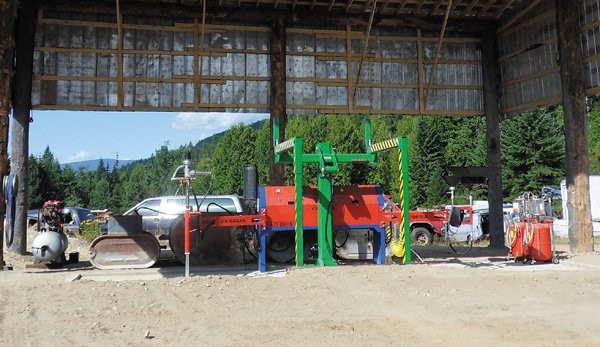
In 2011, he acquired an integrated SEDA Easy Drain fluid evacuation system with tilting rack. The system is capable of extracting 98 percent of fluids from a vehicle in six to eight minutes. Using powerful suction pumps, extracted fluids are filtered and deposited into storage tanks, without the need for expensive fluid double handling, and without worker exposure to carcinogenic gas fumes.
“There are no oil leaks, or antifreeze, and it saves a lot of time on the handling,” says Etelamaki. “Waste fluids go into containers and the waste oil company comes and picks it up.”
According to Michael Hoeher, President of Recycler’s Source Solutions, the Canadian distributor of Austrian-manufactured SEDA equipment, due to the integrated nature of the Easy Drain system, spills are almost completely eliminated in the drainage process, with next to no liquids left in vehicles when they are ready for crushing.
On Etelamaki’s site, he uses a crusher he built himself. “That’s a nice thing too, with the SEDA system,” he says. “They want containment on the crusher and everything else, but there is no fluid left in our vehicles to worry about, once you drain them.”
“We started processing cars about the middle of September. There’s just a couple of us here doing it. We’re processing up to 18 to 20 cars per day, and that’s complete – taking the mercury switches out, the tires, and all that goes with it as well.”
“I bought the SEDA system for myself,” continues Etelamaki. “I wasn’t really going after the production – the vehicles that I do – I just want to do them right. It’s working out great.”
For his drainage structure, and shelter where he processes vehicles with his SEDA system, Etelamaki erected seven massive 28-foot high tree trunks for vertical support, anchored six feet deep in the ground. Plus, three 40-foot long tree trunks were used to support the roof – with individual components connected and secured with recycled drift pins, log chokers and rebar. Etelamaki says the trunks were originally intended for firewood but received new purpose with this project. And he says, the metal siding and roof panels are all made of tin and aluminum siding, recycled by locals as part of home improvement projects.
“Eric deserves to be pointed out in a great way,” comments Hoeher. “He has acted on his high values of environmental protectionism and high expectations of quality and efficiency – despite his relatively low processing volumes and his location’s remoteness from major markets.”